Quick Answer
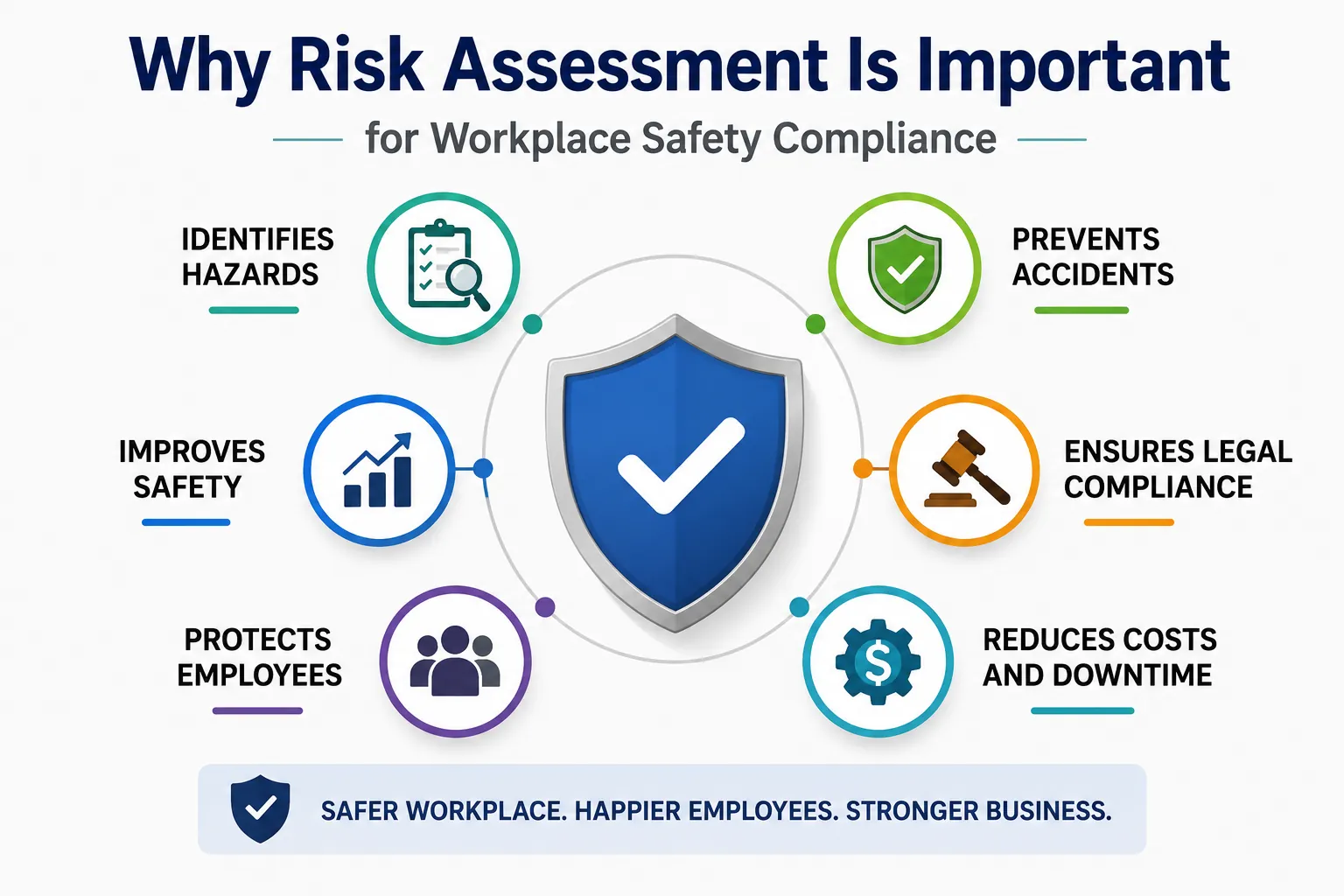
A workplace risk assessment helps you spot potential dangers, measure how risky they are, and put controls in place to prevent accidents or injuries. In South Africa, it’s important for following safety laws and protecting employees. Doing it properly keeps your workplace safe and avoids costly fines.
If you’re new to health and safety, knowing how to carry out a risk assessment can feel tricky. This guide breaks down the steps so you can understand what to look for, how to rank risks, and what actions to take. It’s practical guidance aimed at South African workplaces and beginners who want to improve safety without stress.
What Is a Risk Assessment and Why Does It Matter?
A risk assessment is a careful look at your workplace to find anything that might cause harm—like unsafe machines, chemicals, or even poor work habits. Then you figure out how likely it is that these hazards could cause injury or damage and how serious the outcome could be.
This process is required by South Africa’s Occupational Health and Safety Act, which says employers must keep workers safe. Without a proper risk assessment, hazards may go unnoticed, which can lead to accidents, legal trouble, and disruption in your business.
How to Carry Out a Risk Assessment Step-By-Step
Here’s a simple way to do a risk assessment that beginners can follow:
- Identify hazards: Walk around the workplace and list anything that could cause harm – tools, chemicals, slippery floors, loud noise, etc.
- Assess risks: Think about how likely each hazard could cause harm and how bad the injury or damage could be.
- Prioritise risks: Use a risk matrix to decide which hazards need urgent attention and which can be managed over time.
- Control risks: Use the hierarchy of controls: try eliminating the hazard, substituting it, using engineering fixes, changing work methods or processes, and as a last resort, provide personal protective equipment (PPE).
- Record the assessment: Write down your findings and decisions clearly so everyone understands the risks and controls.
- Review regularly: Update your risk assessment whenever equipment, processes, or workplace conditions change, or at least once a year.
Common Mistakes to Avoid When Doing Risk Assessments
Even beginners can avoid these pitfalls, which often cause risk assessments to miss important problems:
- Skipping steps like hazard identification or employee involvement.
- Underestimating how serious some risks are.
- Failing to use the hierarchy of controls properly.
- Not reviewing risk assessments regularly or after changes.
- Ignoring how to involve workers in reporting hazards and fixing problems.
Including employees in the process helps spot hidden risks and creates a stronger culture of safety where everyone takes responsibility.
How a Risk Assessment Helps Different South African Workplaces
Risk assessments are useful in all kinds of workplaces:
- Construction sites: Identify hazards like falls or unsafe scaffolding and install controls to prevent injuries.
- Offices: Find ergonomic risks from poor workstation setups to avoid back pain or repetitive strain injuries.
- Factories: Manage chemical exposure risks with proper handling procedures and PPE.
Understanding these practical risks keeps workers safer, lowers downtime, and helps employers meet health and safety laws.
If you want to get hands-on practice with these steps and earn a certificate, you can enrol in the free risk assessment course with certificate in South Africa. This online course is designed for beginners and covers everything you need to do a proper assessment.