Quick Answer
Good communication means listening fully, speaking clearly, being patient, and understanding the person in your care. These skills help caregivers provide better care, avoid mistakes, and build trust, whether at home or in clinical settings.
Many beginner caregivers worry about how to talk to patients or families, especially in South Africa’s diverse communities. Learning simple, practical communication steps makes it easier to connect, reduce stress, and grow confident in your caregiving role.
Why Communication Is Needed in Caregiving
Caregivers spend a lot of time talking with patients, their families, and healthcare teams. Using clear and kind communication helps patients feel safe and understood. It also makes sure caregivers notice any health changes and get help quickly when needed.
In home care or clinics, poor communication can cause errors like missed medication doses or misunderstanding patient needs. For beginners, good communication brings confidence and creates better experiences for everyone involved.
Important Communication Skills for Caregivers
Active Listening: Give full attention to the person talking. Don’t interrupt or rush them. This helps you understand exactly what they need or are worried about.
Clear Speaking: Use simple words and calm tones. Speak slowly enough to be understood and repeat key points when needed.
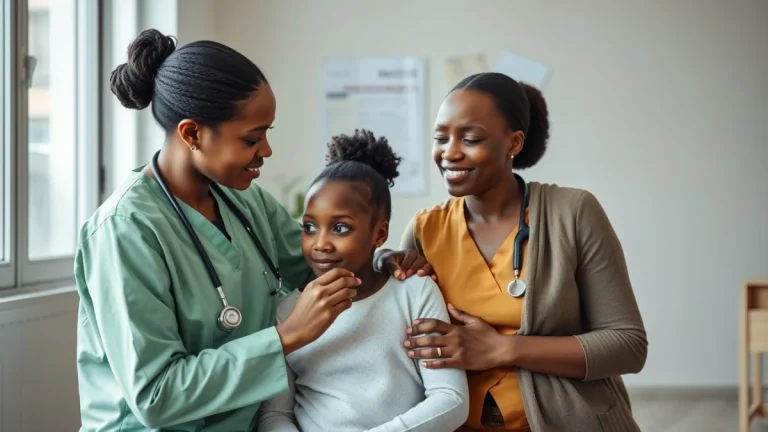
Non-Verbal Signals: Your body language says a lot. Maintain eye contact, smile gently, and avoid crossing arms or looking distracted, as these can upset some patients.
Empathy: Show you care by acknowledging feelings. Saying things like “I understand this is hard for you” makes patients feel supported.
Cultural Awareness: South Africa is diverse. Respect that people express pain and emotions differently based on their background.
How To Communicate Better Every Day
When talking to elderly or dementia patients, keep sentences short and simple. Use gestures, visual reminders, or repeat instructions gently.
If a patient has hearing problems, face them directly and speak clearly but don’t shout. Good lighting and removing background noise also help.
In emergencies, keep your voice steady. Explain what you are doing step-by-step to avoid panic.
Writing down important information like medication times or symptoms helps everyone stay on the same page. Make your notes easy to read and update regularly.
Common Communication Mistakes Caregivers Should Avoid
Avoid using heavy medical terms or jargon. Always explain things simply so no one feels confused.
Don’t assume you understand what the patient feels without asking. Use open-ended questions to get clear answers.
Interrupting or looking distracted can make patients anxious or less willing to share important information.
Ignoring cultural differences or not checking if the patient understands your instructions can cause mistakes or stress.
Always double-check by asking patients to repeat or show what they understood before leaving a task.
Step-by-Step Tips to Practice Communication Skills
- Fully listen without interrupting.
- Speak in simple, clear language.
- Watch and respond to body language.
- Use kind words that show you care.
- Stay calm, especially in tense moments.
- Ask patients to confirm understanding.
- Respect different cultural ways of expressing feelings.
- Keep neat and clear records of care when writing.
FAQs
What are the most important communication skills for new caregivers?
How can caregivers talk better with dementia patients?
Why is empathy important in caregiving?
How can caregivers avoid confusing patients with medical terms?
If you want to improve your caregiving communication skills and learn other important caregiver tasks, check out the free Home-Based Caregiver Certificate Course from EduCourse. It’s designed for beginners and guides you through what you need to know step by step.