What Does a Dispatch Clerk Do?
If you’re looking for a clear, beginner-friendly explanation of what a dispatch clerk does, you’ve come to the right place. A dispatch clerk plays a key role in managing goods and shipments moving in and out of a business. In South Africa, taking a free dispatch clerk course with certificate can help you gain the skills needed to handle this important job effectively.
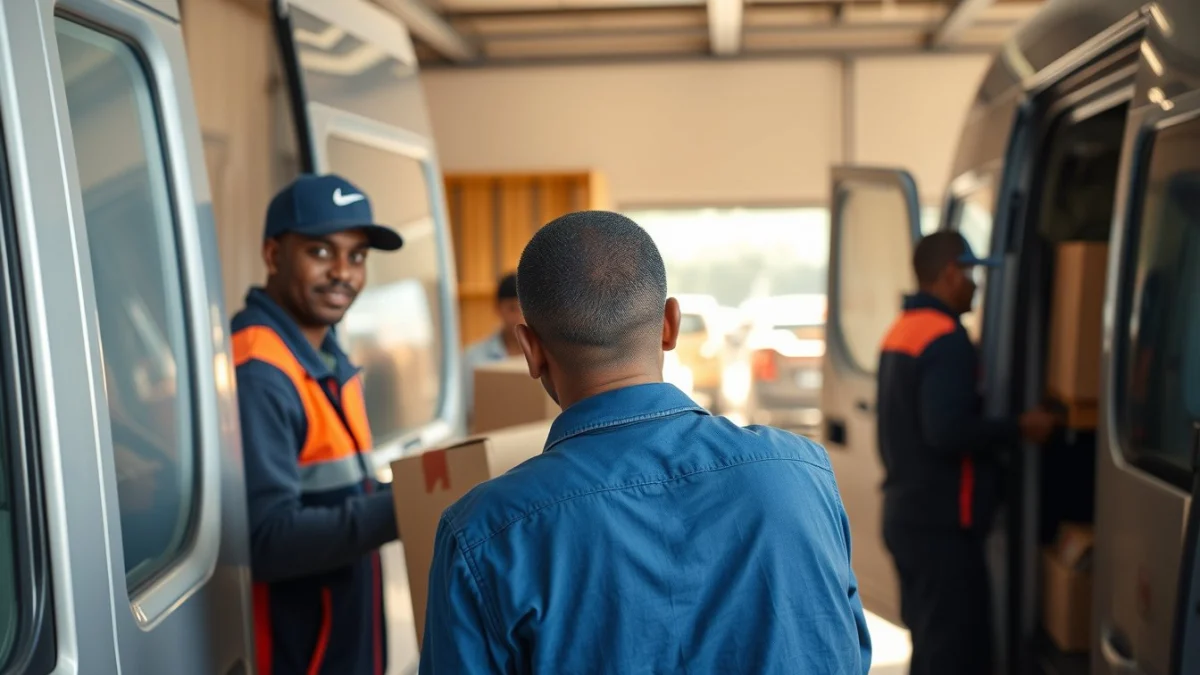
One thing many beginners don’t realise is that this role isn’t just about moving paperwork. You’ll need sharp attention to detail and quick problem-solving skills to avoid costly delays or lost stock. For example, imagine a busy warehouse at the end of a shift — if a dispatch clerk misses or misfiles a shipment form, it can cause late deliveries, unhappy customers, and pressure on the whole logistics team.
The Role of a Dispatch Clerk Explained
Core Responsibilities
- Coordinating shipment schedules and delivery routes.
- Preparing and managing dispatch documentation accurately.
- Communicating clearly with drivers, warehouse staff, and customers.
- Keeping track of inventory and reporting any discrepancies.
- Using basic dispatch technology like barcode scanners and software systems.
Why Dispatch Clerks Matter in Supply Chain
The dispatch clerk is a key link in South Africa’s supply chain. Without dispatch clerks managing details properly, goods can end up delayed or lost. This creates a domino effect slowing the entire delivery process. Their work ensures customers receive their orders on time and businesses maintain smooth operations.
What Does a Day Look Like for a Dispatch Clerk?
A typical day can be busy. You might start by checking shipment requests for the day, then print or prepare the necessary dispatch documents. You’ll coordinate with warehouse staff to make sure the correct items are packed and ready. Next, you call or message drivers with route information.
During the day, you track deliveries, update records on inventory systems, and handle any issues such as shipment delays or missing stock. Clear communication and good organisation are crucial to avoid small mistakes spiralling into bigger problems.
Common Misconceptions About Dispatch Clerks
It’s Just Filing Paperwork
Some people think dispatch clerks only handle paperwork and phone calls. The reality is it’s a hands-on role that requires multitasking and problem-solving. You’re often the first to spot potential delays or errors and must act fast.
You Don’t Need Technology Skills
On the other hand, dispatch clerks must be comfortable with common dispatch software, mobile devices, and barcode scanners. Basic computer skills are needed to keep records accurate and up to date in digital systems.
It’s All Routine
While some tasks repeat daily, no two days are the same. Dispatch clerks must adapt to sudden changes and unexpected challenges, like last-minute urgent deliveries or stock discrepancies.
Beginner Tips for Aspiring Dispatch Clerks in South Africa
- Focus on learning how to organise and prioritise tasks under pressure.
- Practice clear communication—simple, precise instructions reduce errors.
- Gain basic computer skills, especially in data entry and familiarisation with dispatch software.
- Understand basic supply chain and logistics terms to know how your role fits into the bigger picture.
- Don’t overlook safety rules around handling stock, especially fragile or hazardous items.
A Practical Dispatch Clerk Scenario
Imagine you receive a delivery order that needs to go out the same afternoon. You check the dispatch list and see the cargo includes fragile electronics. You quickly double-check packaging instructions and note the correct labels must be applied.
Meanwhile, the assigned driver calls to say there’s heavy traffic on the usual route. You use dispatch software to update the route plan and communicate the change to the driver. After the shipment leaves, you update inventory and mark the order as dispatched. Your quick updates kept the delivery on track and prevented damage to the goods.