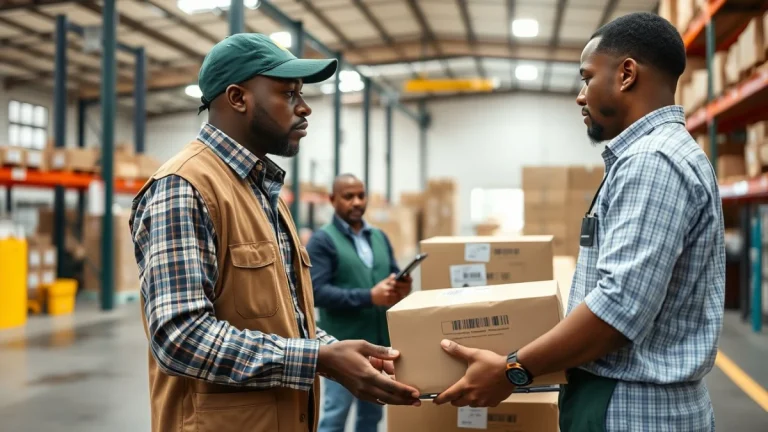
What a Customs Clearance Assistant Actually Does
If you’re curious about what a Customs Clearance Assistant does, you’re in the right place. This role supports international trade by helping goods pass through South African customs smoothly. A free customs clearance assistant course with certificate in South Africa can teach you the practical skills needed to handle paperwork, compliance, and coordination so shipments don’t get stuck or delayed.

At first, many beginners worry about the complex legal terms and strict rules. But in reality, a Customs Clearance Assistant’s day is a mix of checking documents, communicating with customs officials, and using software to manage import/export data. Mistakes often happen when details get overlooked, causing slow clearance or fines. Knowing the daily pressure and typical hiccups helps new learners focus on the right course content to build confidence quickly.
What to Know First About the Role
In simple terms, a Customs Clearance Assistant helps businesses import and export goods by making sure all customs rules and documents are correctly handled. They don’t decide customs laws but make sure shipments clear customs without trouble.
- They prepare and verify customs declaration forms and paperwork.
- They coordinate with customs officials, freight forwarders, and clients to resolve issues fast.
- They use customs clearance software to track shipment status and compliance.
The real work involves keeping track of many documents at once and catching errors before customs notices them. This stops costly delays and keeps supply chains running. Understanding this fast-paced and detail-heavy environment is key.
Customs Clearance Assistant: What It Means in Practice
Customs clearance is a step in logistics where goods entering or leaving South Africa go through official checks. The assistant’s job is to help move shipments through this step efficiently:
Main Duties
- Preparing customs declarations accurately with all required info.
- Checking documents like bills of lading, invoices, and tariffs.
- Monitoring shipment status and updating involved parties.
- Ensuring compliance with South African Customs Act requirements.
- Communicating quickly to fix issues like missing docs or incorrect data.
Why This Role Matters
Imagine a busy importer dealing with dozens of shipments monthly. One wrong form or late submission can hold up goods at the port, leading to storage fees or missed sales. The assistant’s careful work prevents these slowdowns and penalties, which keeps businesses competitive and importing costs down.
Common Workplace Scenario: A Day as a Customs Clearance Assistant
Picture this: You start with a stack of shipment files. One shipment’s invoice doesn’t match the declared value on the form. You flag this before submitting it to SARS (South African Revenue Service), avoiding a customs audit or hold. Later, SARS requests extra info on a cargo manifest. You quickly contact the freight forwarder and send the updated documents. Meanwhile, you update your customs clearance software to reflect these changes and notify the client.
This mix of document checking, coordination, and digital tracking fills most of your day. The pressure comes from tight deadlines and knowing mistakes cost time and money.
Common Misunderstandings Beginners Have
One common mistake is thinking customs clearance is just about filling forms. It’s really about understanding what each document means and how it fits into legal requirements. Another is underestimating the importance of communication. Customs officials and freight companies need quick and clear responses, or shipments stall.
Also, beginners often miss how much software skills matter. Using customs clearance software properly helps avoid errors and speeds up tracking. Many free beginner customs clearance assistant courses overlook digital tools, but they’re vital on the job.
What Beginners Should Focus On
- Get familiar with South African customs documents and terminology.
- Learn the legal basics of the Customs Act to understand why accuracy matters.
- Practice detail-oriented data entry and double-check forms before submission.
- Build confidence in communicating clearly with customs agents and freight forwarders.
- Take a practical course that covers software usage, compliance, and real-life case studies.
One neglected tip is to always keep copies of submissions and correspondence. This helps quickly solve disputes or errors.
FAQs About Customs Clearance Assistant Roles
Do I need previous experience to become a Customs Clearance Assistant?
What software is commonly used in customs clearance?
How fast can I expect to find work with this skill?
What happens if customs documents contain errors?
Start Gaining Customs Clearance Skills Online for Free
Learning the ropes of a Customs Clearance Assistant job doesn’t have to be expensive or slow. You can enrol in a practical free customs clearance assistant course with certificate in South Africa that covers all key areas from document preparation to communication and software use. This helps South African learners gain real workplace skills and build confidence for entry-level roles.