Visual Merchandiser Interview Questions and Answers: Preparing for Success
If you’re aiming to land a visual merchandiser role in South Africa, getting familiar with typical interview questions and how to answer them is key. This guide helps you prepare for those practical interviews by offering clear, relevant answers to common questions. Whether you’re attending your first interview or brushing up on your skills, knowing what employers expect will boost your confidence and improve your chances.
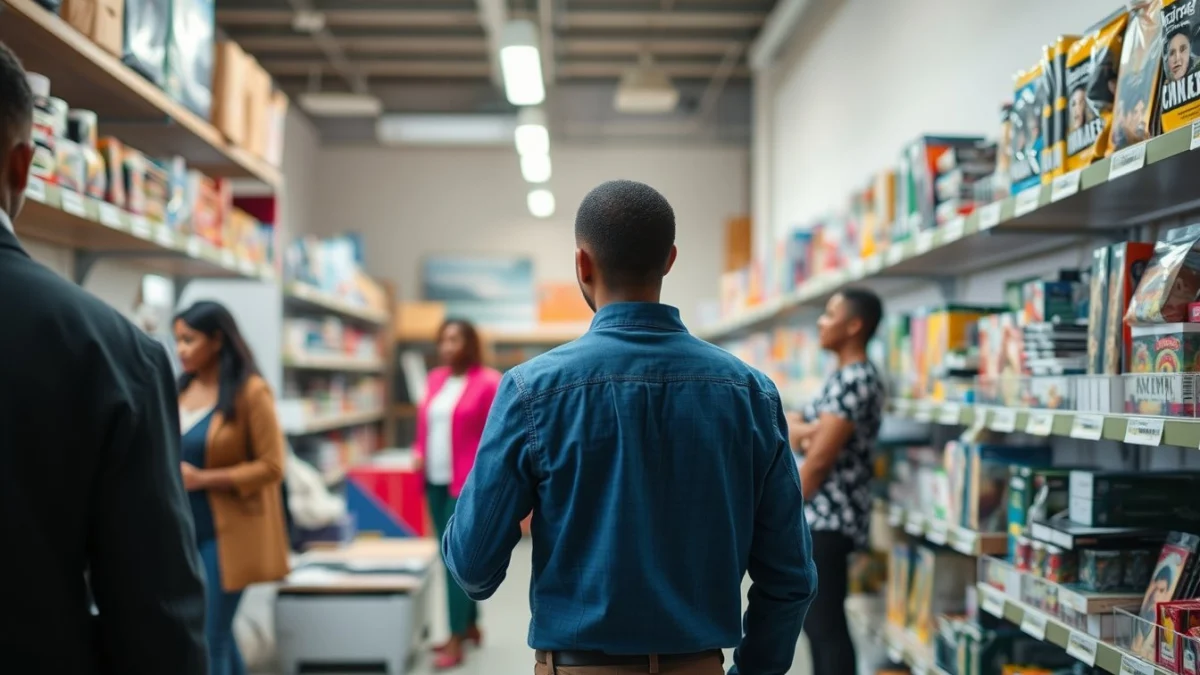
A common challenge beginners face is understanding what interviewers truly want beyond textbook answers. For example, you might be asked to explain how you’d set up a display but struggle to show real-world understanding of customer behaviour or visual appeal. Visual merchandising isn’t just about making things look good—it’s about influencing shoppers on the spot, usually under tight deadlines. This guide helps you tackle these pressures with practical examples and insider tips based on how real retail spaces operate in South Africa.
Key Visual Merchandiser Interview Questions and Practical Answers
1. What is Visual Merchandising and Why is It Important?
What the employer wants: Basic understanding plus awareness of its impact on sales.
How to answer: “Visual merchandising is the practice of arranging products and displays to attract customers and encourage purchases. It’s important because well-designed presentations can grab attention, make products easier to understand, and influence buying decisions. This directly helps stores increase sales while creating a positive shopping experience.”
2. How Do You Choose a Store Layout for Different Retail Environments?
What the employer wants: Ability to match layout to store type and customer flow.
How to answer: “I first consider the retail space—whether it’s a small boutique, supermarket, or shopping mall outlet. For example, in a boutique, I might use a boutique layout focusing on story-driven displays that guide shoppers naturally. In larger stores, I pay attention to customer flow patterns to place popular or high-margin items in ‘hot spots’ or eye-level shelves to maximize visibility. My goal is to make navigation effortless and visually appealing.”
3. Describe a Time You Created an Effective Display. What Steps Did You Follow?
What the employer wants: A process-driven, practical example showing organisation and creativity.
How to answer: “At my last placement, I built a window display for a summer promotion. First, I set the theme and chose bold colours that matched season trends. Then I selected props like beach hats and sunglasses. I arranged the products to create depth and layered interest, with the best sellers at eye level. After installation, I checked the display from outside at different times to ensure lighting made products pop. I refreshed the display weekly to keep interest high throughout the campaign.”
4. How Do You Use Colour and Lighting in Your Displays?
What the employer wants: Understanding of design basics and shopper psychology.
How to answer: “I use colour theory to create mood and draw attention. For example, bright colours like red or yellow stimulate urgency for sales items, while blues and greens can calm or signal trust. Lighting highlights key products and textures, making items look more attractive and helping them stand out in the space. I also consider natural light and avoid harsh reflections or shadows that can distract shoppers.”
5. How Would You Handle Product Placement to Maximise Sales?
What the employer wants: Knowledge of cross-merchandising and stock balance.
How to answer: “I focus on eye-level placement for key products, as that’s where most customers look first. I group related items together — for example, placing accessories near clothing to encourage add-on sales. I keep stock levels balanced: not too empty to look unattractive and not overcrowded to avoid clutter. I also rotate products regularly to keep the display fresh.”
6. What’s One Common Beginner Mistake in Visual Merchandising Interviews and How Do You Avoid It?
Many beginners focus too much on theory and fail to connect their answers to South African retail realities, such as budget limits or fast-paced store environments. They might give generic answers like “I use bright colours” without explaining how that fits a specific store or customer base.
To avoid this, mention hands-on experience, even if informal, and relate your answers to local stores or promotions. For instance, talk about working with limited props or adjusting displays during high-traffic times.
Step-by-Step Guide to Preparing Your Visual Merchandiser Interview
- Research the Employer: Understand their store type, target customers, and brand vibe.
- Review Common Questions: Practice answers, especially practical scenario questions.
- Prepare Your Portfolio: Include photos or sketches of displays you’ve created, even from courses or personal projects.
- Think Local: Be ready to discuss trends and shopper behaviour in South African contexts.
- Practice Your Presentation: Communicate answers clearly with examples, showing both creativity and business sense.
Best Practices for Visual Merchandiser Interviews
- Keep answers practical and show how you work under time or resource constraints.
- Use local examples—mention seasonality, cultural shopping habits, or store types common in South Africa.
- Highlight teamwork, since you often collaborate with store managers and marketing teams.
- Show basic knowledge of digital merchandising if relevant; more employers expect online and offline integration.
- Be honest about what you’re still learning; willingness to improve counts.
Common Mistakes to Avoid
- Giving overly vague or textbook answers without local or situational context.
- Ignoring practical budget or space limitations when describing display ideas.
- Failing to mention customer psychology or behaviour, focusing only on design elements.
- Not having a portfolio or examples ready to discuss.
- Appearing unprepared for questions about specific retail challenges.
Customising Your Answers for South African Retail Jobs
South African retail spaces range from informal markets to large malls. When answering, mention how you’d adapt to these environments. For example, in informal contexts, displays might need to be simple, easy to set up and move. In malls, digital screens and high-tech lighting might be options.
Also, speak about managing displays during seasonal sales like Black Friday or end-of-year stock clearances, which are huge events locally. This shows you understand sales cycles and their merchandising demands.
Extra Examples to Show in Your Interview
- Describe setting up a festive window display on a tight budget using recycled materials.
- Explain how you rearranged product placements to increase impulse buys at a checkout counter.
- Talk about using social media or online photos to complement in-store displays.