Types of PPE Used in Occupational Health and Safety

Quick Answer

Personal Protective Equipment (PPE) refers to the specialized clothing and gear worn by workers to protect against workplace hazards. Types of PPE used in occupational health and safety include helmets, gloves, eye protection, earplugs, respiratory protection, high-visibility clothing, and safety footwear. These help reduce risks in environments like construction, manufacturing, and healthcare.

Understanding the Types of PPE in Occupational Health and Safety

Knowing the types of PPE used in occupational health and safety is essential for anyone looking to improve workplace safety or start a career as a safety officer in South Africa. PPE serves as the last line of defence when engineering and administrative controls cannot eliminate hazards completely. This guide explains key PPE types commonly used in the workplace and their importance.

PPE helps to protect employees from injuries such as cuts, burns, chemical exposure, loud noise, respiratory hazards, slips, and falls. Correct selection and use of PPE is a vital part of occupational safety training and risk management programs. Wearing appropriate PPE can prevent life-changing accidents and keep work environments compliant with health and safety legislation.

Common Types of Personal Protective Equipment

Let’s explore the main categories of PPE used across various industries in South Africa.

1. Head Protection

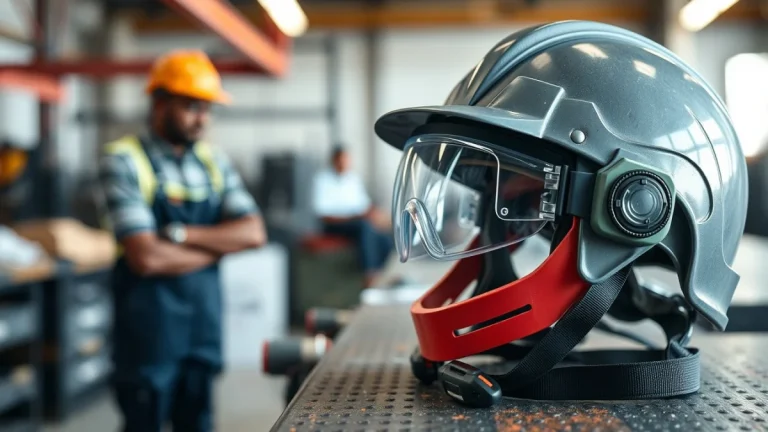
Safety helmets or hard hats protect the head from falling objects, impacts, and electrical shocks. They are crucial on construction sites and industrial workplaces where risks of head injury are high due to overhead hazards or machinery.

2. Eye and Face Protection

Safety goggles, face shields, and glasses guard against flying debris, chemical splashes, and intense light. Workers in labs, woodworking, and mining frequently require these to prevent eye injuries.

3. Hearing Protection

Earplugs and earmuffs reduce noise exposure in loud workplaces like factories or airports, helping to prevent hearing loss and auditory damage.

4. Respiratory Protection

Masks and respirators protect the respiratory system from dust, fumes, hazardous gases, and airborne pathogens. They are essential for workers handling chemicals, in dusty environments, or during health emergencies.

5. Hand Protection

Gloves made of latex, leather, rubber, or cut-resistant materials protect hands against chemicals, sharp objects, heat, and infection. Selecting the right gloves depends on the hazards present.

6. Foot Protection

Safety boots with steel toes, slip-resistant soles, and puncture protection reduce risks of foot injuries from heavy objects, sharp materials, or slippery surfaces.

7. Body Protection

High-visibility vests improve worker visibility, especially near moving vehicles. Flame-resistant clothing and chemical-resistant suits protect against heat, fire, and hazardous substances.

How to Select the Right PPE for Your Workplace

Effective occupational safety training includes knowing how to choose and maintain PPE correctly. Here are key steps:

  • Identify workplace hazards through a risk assessment course or inspection.
  • Match PPE type to the hazard – for example, respiratory masks for chemical fumes or hard hats for falling objects.
  • Ensure PPE fits well and is comfortable to encourage consistent use.
  • Train workers on proper PPE use, care, and limitations.
  • Regularly inspect and replace damaged or expired PPE.

One common mistake is relying solely on PPE without implementing safer work systems or hazard controls. PPE should complement, not replace, workplace safety policies and engineering controls.

Practical Examples of PPE Use

In a South African construction safety course, you might learn about the following practical PPE applications:

  • Wearing safety helmets and steel-toe boots when working on a building site to prevent head injuries and foot crush injuries.
  • Using earplugs in noisy environments like factories or workshops to protect hearing.
  • Donning chemical-resistant gloves and aprons when handling hazardous materials in industrial settings.
  • Employing high-visibility clothing for traffic controllers or warehouse staff to increase visibility and reduce accidents.

These PPE types are part of an overall occupational safety certificate course curriculum, reinforcing the importance of comprehensive safety management.

PPE Checklist for Workplace Safety

  • Have you identified all workplace hazards?
  • Is the PPE appropriate for each hazard?
  • Are workers trained on PPE use and maintenance?
  • Are PPE supplies readily available and properly stored?
  • Is damaged or out-of-date PPE replaced promptly?

Following this checklist supports safer work environments and helps meet workplace compliance course standards.

Common PPE Mistakes to Avoid

Understanding what not to do with PPE is as important as knowing what to do:

  • Ignoring fit and comfort can lead to improper use or removal of PPE.
  • Using the same PPE for different hazards without proper evaluation.
  • Failing to clean and maintain reusable PPE, resulting in reduced protection.
  • Over-relying on PPE without addressing underlying safety risks.
  • Not conducting refresher health and safety training on PPE protocols.

Consistent education and practical occupational safety lessons reduce these mistakes.

Continuing Your Health and Safety Education

Learning about types of PPE is just one part of occupational health and safety skills crucial for any workplace job. A comprehensive online OHS course in South Africa will cover hazard identification, risk assessment, safety management systems, emergency preparedness, and more.

EduCourse offers a free Occupational Health and Safety Certificate Course online, perfect for beginners and job seekers wanting to build practical safety knowledge. This course includes important modules on workplace hazard training and safety procedures training, helping you gain confidence to promote safer work environments.

Start your journey to better health and safety skills at work by enrolling in EduCourse’s free OHS course with certificate: free Occupational Health and Safety Certificate Course in South Africa.

What is the most important type of PPE in construction?
Hard hats (helmets), steel-toe safety boots, and high-visibility clothing are among the most important PPE items in construction to protect against head injuries, foot injuries, and visibility hazards.
How often should PPE be inspected?
PPE should be inspected daily before use and regularly as per manufacturer guidelines or workplace safety policies. Damaged or expired equipment should be replaced immediately.
Can PPE replace other hazard controls?
No, PPE is the last line of defence and should complement engineering and administrative controls, such as machine guards or safe procedures, not replace them.
Do employers in South Africa have to provide PPE?
Yes, under South African occupational health and safety legislation, employers must provide necessary PPE at no cost to employees and ensure proper training on its use.
General Awareness Disclaimer: PPE is only effective when used correctly, alongside other health and safety measures. Always follow workplace guidelines and legislation to ensure full protection.
EduCourse Learning Team

The EduCourse Learning Team creates practical, beginner-friendly online learning content designed to help individuals build real skills at their own pace. With a focus on accessibility and structured learning, the team develops guides and resources across areas such as Microsoft Office, data entry, and workplace skills.

Their goal is to make online learning simple, flexible, and useful for anyone starting their skills development journey.

Articles: 430

EduCourse Help

Find quick answers to common questions.

How to Register

To register on EduCourse:

  1. Go to the registration page:

    Register on EduCourse
  2. Enter your details (name, email, and password)
  3. Click Register / Sign Up
  4. Log in to your account

You can then enrol in any course and start learning immediately.

Was this helpful?
Thank you for your feedback.

How to Start a Course?

To start a course on EduCourse, you must first be logged in to your account.

  1. Go to the Browse Courses page:

    Browse EduCourse Courses
  2. Choose the course you want to study
  3. On the course page, click Take This Course
  4. After enrolling, start with Lesson 1

Some courses are open, so you may not see the Take This Course button. If that happens, simply start with Lesson 1.

Please make sure you are logged in so your course progress can be saved.

Was this helpful?
Thank you for your feedback.

Downloading Certificates

You must be logged in and finished a course. To download a certificate on EduCourse, you have two easy options.

  1. You can download it from the completed course page itself.
  2. You can also access your certificates by going to the menu, choosing Academic Records, and then selecting

    My Certificates
    .

To access your certificate, click the certificate icon.

On the certificate page, you can click the certificate preview to download it or scroll down and click Download PDF.

Was this helpful?
Thank you for your feedback.

How to Update Certificate Name?

To update your name on EduCourse, you must first be logged in to your account.

  1. Go to My Details from the menu.
  2. Edit your name in the profile section.
  3. Click Update to save your changes.

After updating your name, you can re-download your certificate with the corrected details.

Was this helpful?
Thank you for your feedback.

How to Verify a Certificate?

There are multiple ways to verify an EduCourse certificate.

1. Scan the QR Code

The easiest way to verify a certificate is to scan the QR code displayed on the certificate using your mobile device.


2. Verify Online

You can also verify a certificate online by visiting:


Verify Certificate

Enter either:

  • The user's South African I.D Number
  • Or the Certificate ID Number

The system will display matching certificate records if available.

Was this helpful?
Thank you for your feedback.