Dispatch Clerk Jobs in South Africa: What to Expect and How to Start
Looking for a practical career in logistics? A dispatch clerk job in South Africa offers a solid start, especially when you complete a free dispatch clerk course with certificate in South Africa. This role keeps supply chains moving, handling the real day-to-day tasks that ensure goods reach their destination on time.
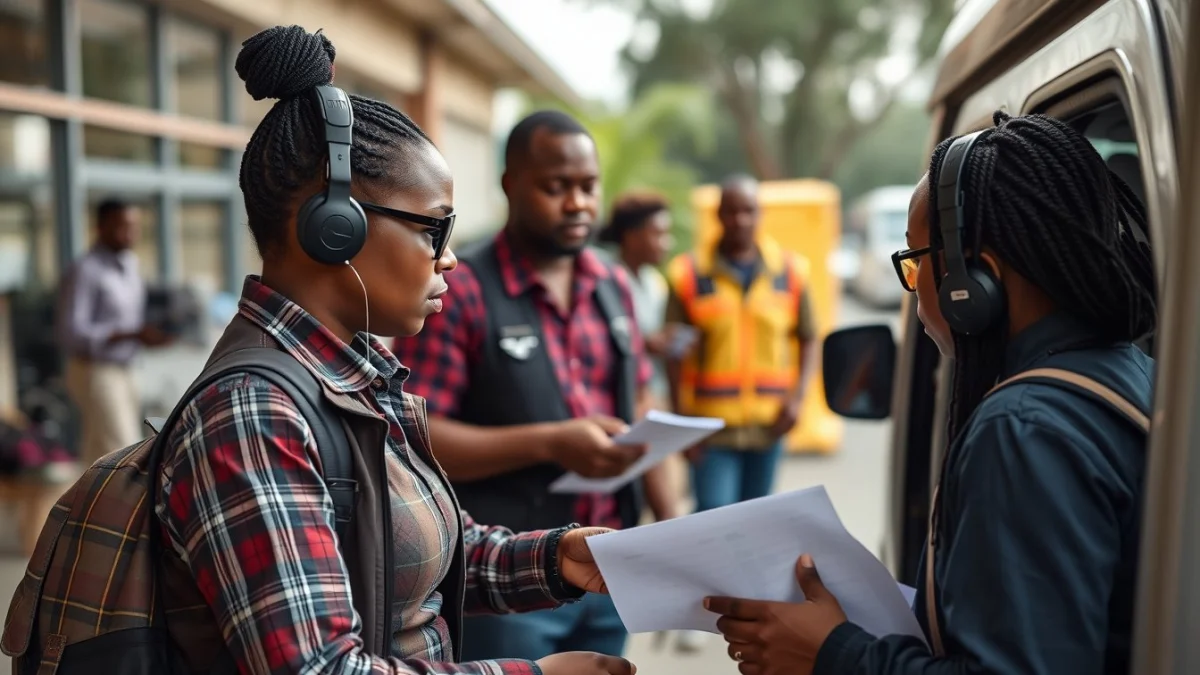
Many beginners face confusion around the specific duties of a dispatch clerk. It’s not just filing paperwork or answering phones. One common struggle is managing multiple delivery schedules without errors while keeping communication clear between drivers, warehouse staff and customers. Making small mistakes like incorrect data entries can cause real delays and frustration for the whole team.
What a Dispatch Clerk Job Involves
Dispatch clerks coordinate shipments daily. You’ll prepare and check delivery documents, schedule loads, plan routes with drivers, and track goods while updating records. Expect to use basic computer systems, barcode scanners, and sometimes radio communication to coordinate with truck drivers on the move.
In busy workplaces, dispatch clerks juggle phone calls from drivers and customers, handle last-minute changes, and resolve delivery issues quickly. For example, if a truck is stuck in traffic, you must decide whether to reroute or adjust schedules—a pressure point that can make or break timely delivery.
Key Skills Needed for Dispatch Clerk Jobs
- Accuracy and attention to detail: One overlooked part of dispatch is how small data errors—wrong item codes or addresses—can cause big problems like lost shipments or extra costs.
- Good communication: You’ll need clarity and calm when talking to drivers, warehouse teams, and customers, especially when problems arise.
- Basic computer literacy: Dispatch relies on software systems and mobile devices. Lacking these skills can slow you down or cause mistakes.
- Organisational skills: Keeping track of multiple orders, stock levels, and schedules under pressure is standard.
- Problem-solving: Dispatch clerks often face unexpected delays or stock shortages. Quick thinking can prevent bigger issues.
How to Get Qualified: Learning and Courses
Employers in South Africa usually expect some formal training, which you can get through a free online dispatch clerk course South Africa that includes a certificate. This kind of beginner dispatch clerk course South Africa teaches essential skills like stock management, route planning, dispatch record-keeping, and communications.
Many new dispatch clerks make the mistake of skipping training in technology tools. Knowing how to use barcode scanners and dispatch software isn’t optional—it’s a workplace reality that helps reduce errors and speed up processes.
Industries That Hire Dispatch Clerks in South Africa
Dispatch clerks work across many sectors:
- Logistics and transport companies
- Manufacturing plants
- Retail and wholesale distributors
- Courier and delivery services
- Warehousing and storage businesses
In South Africa, distribution hubs for mining, agriculture, and industrial goods often have in-house dispatch teams. Having dispatch workplace skills training South Africa can open doors in these high-demand environments.
Career Growth and Opportunities
A dispatch clerk role is a solid entry point into the supply chain sector. With experience, you can move into:
- Senior dispatch or logistics coordinator roles
- Inventory or warehouse management
- Transport planning or fleet scheduling
- Procurement and supply chain analyst positions
Continuous learning, like taking a dispatch clerk training with certificate South Africa or courses in logistics technology, can speed up your career growth.
Salary Expectations for Dispatch Clerks in South Africa
The typical starting salary for a dispatch clerk in South Africa ranges between R6,000 and R9,000 per month. With experience and additional skills, this can increase up to around R15,000 monthly in larger companies or logistics hubs.
Salaries can vary widely depending on location, employer size, and sector. For example, dispatch clerks working in Johannesburg or Cape Town tend to earn more than those in smaller towns.
What the Job Feels Like Day to Day
Dispatch work isn’t desk-bound and quiet. Expect a fast pace, shifting priorities, and occasional stress. The pressure to get shipments out on time is constant, and errors like misfiled documents or missed communication can cause delays costing the company money.
A common beginner mistake is underestimating the importance of good communication skills. If drivers or warehouse teams don’t get clear instructions, deliveries may get delayed or lost. The job requires calm under stress, quick corrections, and a hands-on approach.
Beginner Tips for Starting as a Dispatch Clerk
- Complete an online dispatch clerk course with certificate South Africa to build basic knowledge and confidence.
- Gain familiarity with common dispatch software and barcode scanning tools early.
- Learn key logistics terms and company procedures to avoid confusion.
- Practice clear, concise communication—both written and verbal.
- Pay attention to detail when managing documentation to avoid costly errors.
- Don’t hesitate to ask questions on the job about protocols or unclear instructions.
- Stay organised by keeping updated checklists of shipments and routes.
What Employers Expect from Dispatch Clerks
Most employers look for reliability, accuracy, and good communication. They want dispatch clerks who can handle multiple tasks under pressure without mistakes. Punctuality and willingness to learn dispatch and warehouse systems are big pluses.
Most employers look for reliability, accuracy, and good communication. They want dispatch clerks who can handle multiple tasks under pressure without mistakes. Punctuality and willingness to learn dispatch and warehouse systems are big pluses.