Customs Clearance Assistant Skills Employers Are Looking For
If you’re searching for a Free Customs Clearance Assistant Course with Certificate in South Africa, you probably want to know exactly what skills you need to succeed. Employers in logistics and supply chain want more than just textbook knowledge—they look for practical, hands-on skills that keep imports and exports moving smoothly.
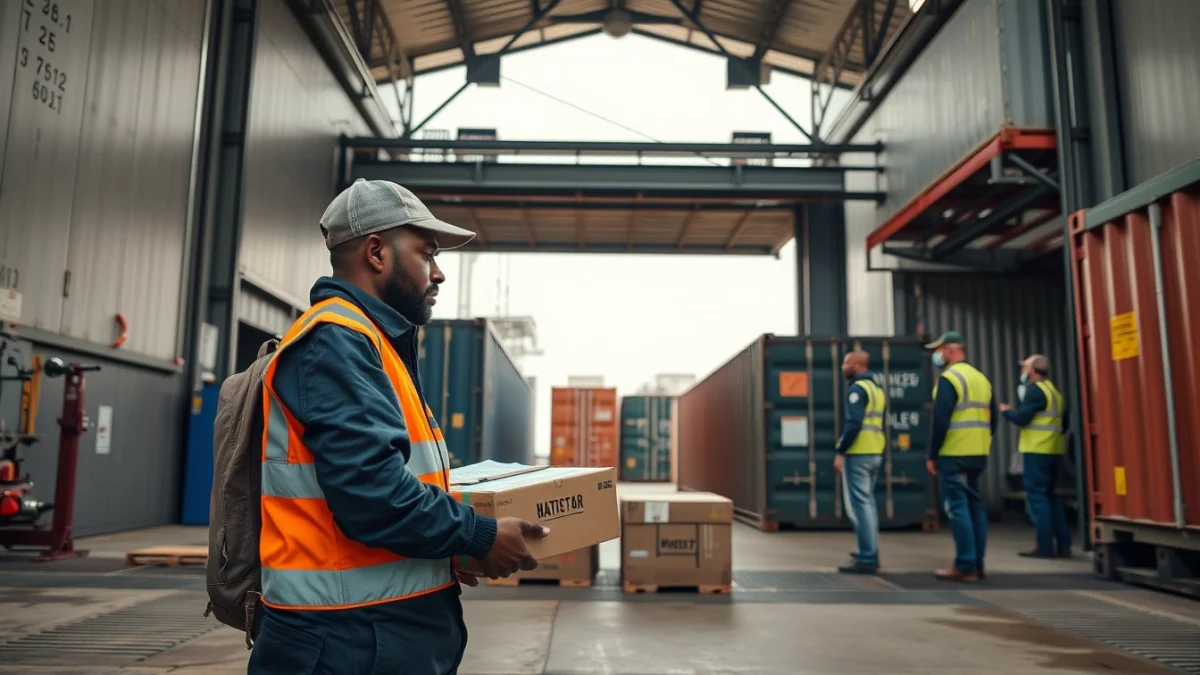
Many beginners are surprised just how detail-heavy this kind of work is. For example, missing or incorrect data on a customs form can delay shipments for days, costing companies money and straining supplier relationships. That’s why learning the right skills upfront — especially in the South African customs environment — can make a real difference.
What Employers Want From a Customs Clearance Assistant
Simply put, employers want assistants who can handle the nitty-gritty of customs smoothly and accurately. That includes:
- Accurate preparation and checking of customs documents
- Clear understanding of import and export procedures under South African law
- Ability to use customs clearance software confidently
- Strong communication skills for coordinating with customs officials and freight forwarders
- Attention to detail to avoid costly mistakes or compliance issues
- Problem-solving skills when unexpected inspections or delays occur
These skills reduce the risk of late shipments, extra tariffs, or fines. Remember, South African customs is strict about documentation and compliance, so a single overlooked detail can trigger inspections or penalties.
Breaking Down the Key Customs Clearance Assistant Skills
Understanding Customs Documentation
Employers expect you to know the main documents inside out. This includes: customs declarations, cargo manifests, invoices, and permits. You should be confident in filling out these forms accurately, ensuring all details match shipment data. Errors here are the top cause of clearance delays.
Knowledge of Import and Export Processes
You don’t need to become a customs expert overnight, but understanding the steps in clearing goods correctly is crucial. From declaration submission to duty payments and final release, knowing what happens when saves time. For example, knowing when certain goods require special permits helps you flag issues before they become problems.
Familiarity With Customs Tariffs and Duties
Employers value assistants who can calculate tariffs and duties or at least use tariff tools to estimate import costs. This supports budgeting and avoids bad surprises during clearance.
Compliance and Risk Management
One skill often overlooked by beginners is compliance management. Knowing South Africa’s customs laws, keeping accurate records, and preventing non-compliance can save your employer from expensive penalties. For instance, forgetting to keep records for the legally required period can cause audits to go badly.
Using Customs Clearance Software
Most companies rely on digital systems to submit data and track shipments. If you aren’t comfortable with basic computer skills or preparing digital declarations, you’ll fall short. Being able to generate reports and monitor clearance status online speeds up issue resolution.
Effective Communication and Coordination
A customs clearance assistant is often the middleman between importers, freight forwarders, and customs agents. You must communicate clearly about delays, missing docs, or queries. Poor communication causes confusion and holds up cargo. Employers want assistants who stay calm, patient and follow up fast.
A Practical Example: A Day in the Life
Imagine receiving a shipment declaration with missing tariff codes. You need to quickly check the South African tariff schedule, contact the supplier for clarification, update the declaration, and submit it all before the midnight cut-off. Meanwhile, customs officials request additional documentation for a random inspection. Handling these overlapping tasks without mistakes or delays shows why multitasking, problem-solving, and attention to detail are non-negotiable skills.
This mix of paperwork, software use, and human communication repeats daily. Mistakes cause costly backlogs or penalties, so the pressure to get it right is real.
Common Beginner Mistakes and What To Avoid
- Ignoring the small print: Failing to read all instructions on forms leads to errors. Always double-check details before submission.
- Assuming all shipments follow the same process: Some imports require special permits or additional checks. Not recognising this can cause serious delays.
- Waiting too long to communicate: If a document is missing or a query from customs arrives, prompt responses matter. Delays reflect poorly and slow clearance.
- Underestimating software skills: Many beginners struggle with digital customs systems. Practice beforehand to avoid data entry mistakes.
Advice for Beginners Entering Customs Clearance in South Africa
Start by mastering the basics: learn key customs terms, South African import/export laws, and practice filling forms. The right Free Customs Clearance Assistant Course with Certificate in South Africa can provide this foundation online, with practical lessons and quizzes designed for beginners.
Don’t be afraid to ask questions early in a job role. Customs clearance involves many moving parts and an experienced team will expect newcomers to learn gradually. Use workplace downtime to get comfortable with the customs software tools used daily.
Focus on accuracy and timeliness over speed in the beginning. Employers value a reliable assistant who avoids costly errors.