
Monitoring and Reporting Nutritional Concerns
How to Keep Track of Nutrition in Special Needs Care
Monitoring and reporting nutritional concerns is very important when caring for someone with special needs. Nutrition affects their health, growth, and daily energy levels. By watching their food and drink carefully, you can help spot problems early and get them the right help.
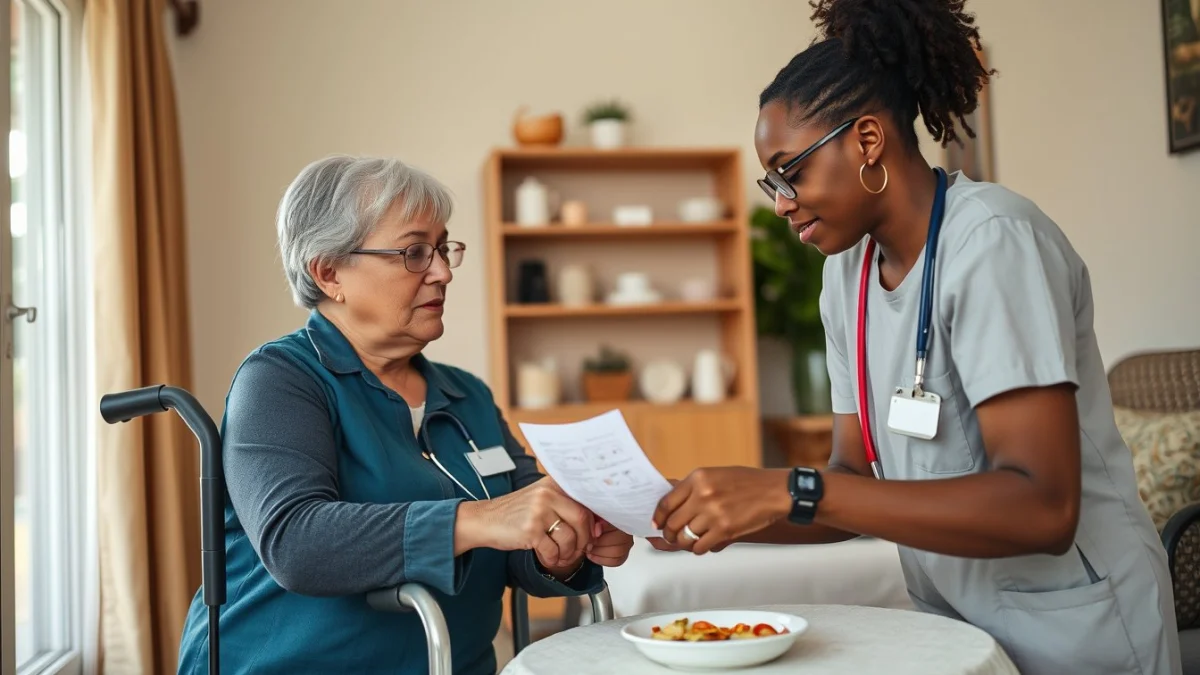
First, you need to observe what the person eats and drinks every day. Note the kinds of food, how much they eat, and if they finish their meals. Pay attention to any swallowing difficulties or refusal to eat certain foods. These may be signs of a problem.
Next, watch for changes in weight. Losing or gaining weight too fast is often a sign that something is wrong with their nutrition or health. You can check weight weekly or monthly using a reliable scale. Write down the results each time.
Also, pay attention to physical signs like dry skin, mouth sores, or tiredness. These can show that the person is not getting enough vitamins or minerals. If you notice these signs, it is important to report them to a healthcare worker.
Steps for Monitoring and Reporting Nutritional Concerns
- Keep a daily food and drink diary to track intake.
- Weigh the person regularly to check for weight changes.
- Look for physical signs of poor nutrition like skin or mouth problems.
- Note any changes in energy levels or behaviour around meals.
- Report all concerns clearly to a nurse, dietitian, or doctor.
- Follow advice from healthcare professionals for feeding support.
Good communication is key. When reporting concerns, be clear and give specific details about what you have observed. This helps health workers understand the problem and decide on the best care plan.
Remember, monitoring and reporting nutritional concerns helps protect the health of people with special needs. Early action can prevent serious problems and support their well-being every day.
Live Scenario • Active Situation
You are a special needs caregiver in a residential care home, responsible for monitoring and reporting nutritional concerns for a resident with feeding difficulties.
There is no single perfect answer. Choose what you would do in this situation.
