
Confidentiality and Privacy in Caregiving
Confidentiality and Privacy in Caregiving are very important when working with special needs learners. Caregivers must respect the personal information and private details shared by those in their care. This helps build trust and creates a safe environment. Without confidentiality, learners and their families may feel uncomfortable and less willing to share important information.
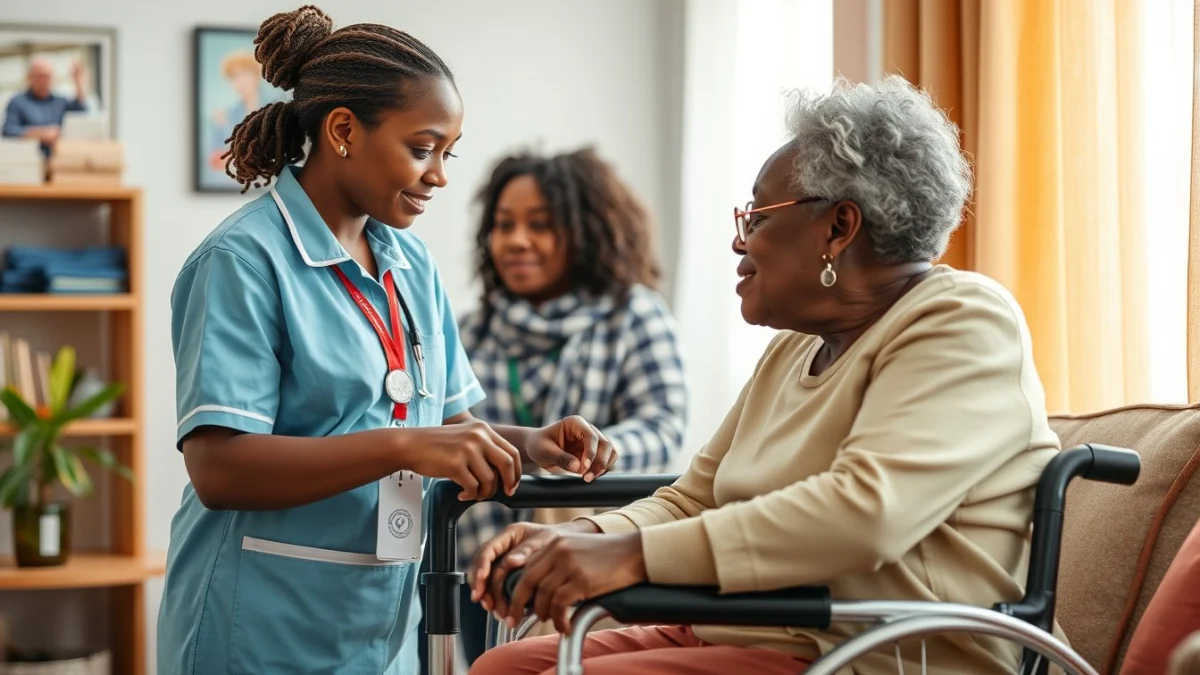
Why Confidentiality and Privacy Matter in Special Needs Care
Caregiving often involves handling sensitive information about a learner’s health, behaviour, challenges, and family life. It is the caregiver’s responsibility to keep this information safe and only share it with people who need to know. This is essential because:
- It protects learners’ rights and dignity.
- It creates a trustworthy relationship between caregivers, learners, and families.
- It follows legal and ethical rules in South Africa.
- It prevents harm or unfair treatment caused by information leaks.
Privacy means respecting a learner’s personal space and choices. It also means not sharing personal stories, medical details, or behavioural information without permission. Privacy shows respect for the learner’s individuality and cultural background, which is very important in special needs care.
How to Practice Confidentiality and Privacy in Caregiving
- Keep all records and notes secure. Do not leave them where others can see.
- Only discuss personal information with authorised people, like health professionals or parents.
- Use private spaces for conversations about the learner’s care.
- Ask for permission before sharing information, even within the caregiving team.
- Respect cultural differences in how families view privacy and personal information.
- Train regularly to understand the latest privacy and confidentiality rules.
Confidentiality and privacy laws in South Africa, such as the Protection of Personal Information Act (POPIA), set clear rules on how information must be handled. Caregivers should know these laws to protect learners and themselves.
In summary, respecting confidentiality and privacy in caregiving helps create a positive and respectful care environment. It safeguards the learner’s rights and supports effective care by building honest relationships between learners, families and caregivers.
Live Scenario • Active Situation
You are a caregiver working in a special needs care centre in South Africa.
There is no single perfect answer. Choose what you would do in this situation.
