
Respecting Diverse Backgrounds and Beliefs
Understanding and Honouring Different Cultures in Special Needs Care
Respecting diverse backgrounds and beliefs is very important when caring for people with special needs. Every person comes from a unique culture, family, and religion. These differences affect how they see the world, how they communicate, and what they need. As a caregiver, showing respect for these differences creates trust and helps you give better care.
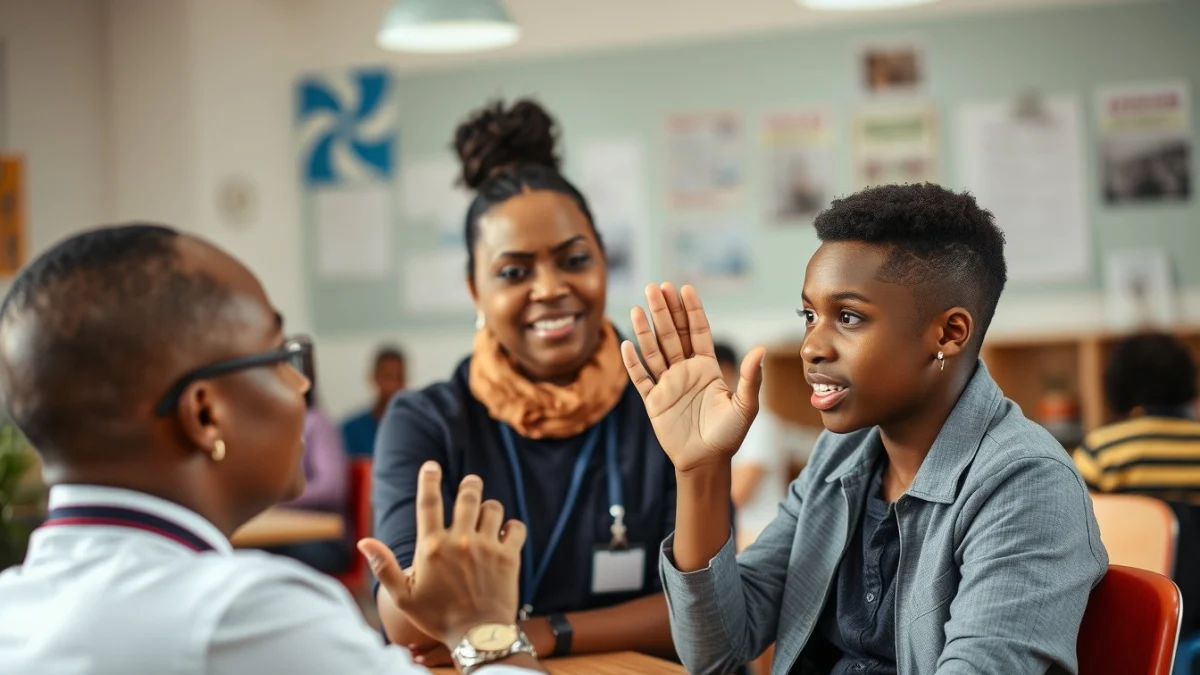
Different backgrounds mean different ways of doing things. For example, some families may rely on traditional healing or have specific dietary rules. Others may speak different languages or have special celebration days. Knowing about these helps you avoid misunderstandings and shows that you value the person’s culture.
Beliefs also influence how people feel about disability and care. Some may see disability as part of life, while others may have strong opinions based on their religion or culture. Being open-minded and non-judgemental allows you to support the person without disrespecting what they believe.
How to Respect Diverse Backgrounds and Beliefs in Care
- Listen Actively: Pay close attention to what the person and their family say about their culture and beliefs.
- Ask Questions Politely: If unsure, ask without making assumptions. Show that you want to understand.
- Learn Continuously: Take time to learn about the cultures in your community and common beliefs around disability.
- Use Simple Language: Speak clearly and avoid medical words that may confuse or upset.
- Respect Privacy: Some beliefs or practices may be private. Honour this without pressing for information.
- Adapt Your Care: If possible, include cultural or religious preferences in daily routines and care plans.
- Work with Families: Involve family members respectfully to support the person’s needs and beliefs.
Respecting diverse backgrounds and beliefs is not just about being polite. It improves communication, helps prevent conflicts, and makes the person feel valued and safe. This is especially important when you support people with special needs who may already feel vulnerable or isolated.
By showing respect, you build strong relationships based on trust and understanding. This helps you provide care that matches the person’s unique needs, promoting their wellbeing and happiness.
In South Africa, with its rich diversity of cultures and languages, cultural sensitivity is even more important. Honouring diverse beliefs strengthens social inclusion and creates a positive care environment where everyone feels respected.
Always remember: good care starts with respect. Respecting diverse backgrounds and beliefs means seeing each person as an individual with their own history and values. This makes special needs care more effective, ethical, and compassionate.
Live Scenario • Active Situation
You are a special needs caregiver in a community centre, preparing to support a new client with unique cultural and religious needs.
There is no single perfect answer. Choose what you would do in this situation.
