
Personal Hygiene and Infection Control
Personal Hygiene and Infection Control are very important in special needs care. They help protect both the caregiver and the person receiving care from illness. Good hygiene practices reduce the spread of harmful germs and keep everyone safe and healthy.
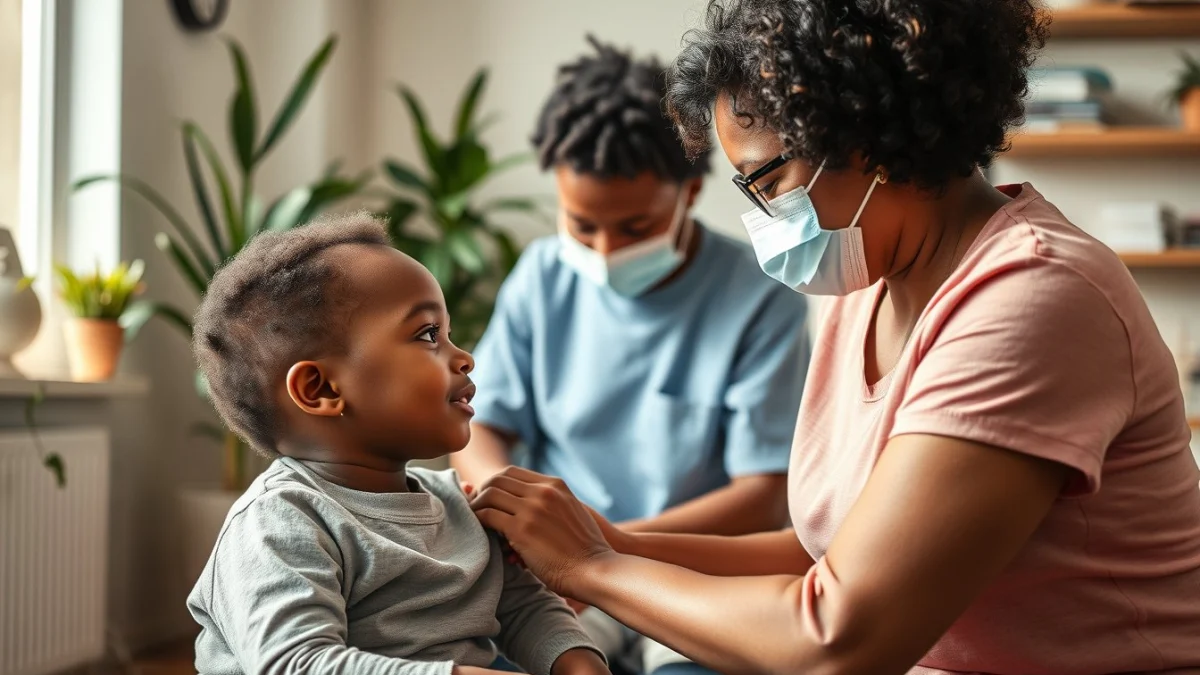
How Good Hygiene Prevents Infection
Infection happens when germs like bacteria, viruses, or fungi enter the body and make someone sick. People with special needs often have weaker immune systems or difficulty with personal care. This makes them more vulnerable to infections. By practicing proper hygiene and infection control, caregivers reduce the chances of these germs spreading.
The main goal is to break the chain of infection. Germs spread through contact with dirty hands, surfaces, bodily fluids, or even sneezing and coughing. Washing hands regularly and cleaning surfaces stop germs from spreading quickly.
Key Practices for Personal Hygiene and Infection Control
- Hand Washing: Use soap and clean running water. Wash hands for at least 20 seconds, including between fingers and under nails. Always wash hands before and after touching a person, after handling waste, and after using the bathroom.
- Use of Gloves: Wear disposable gloves when handling wounds, bodily fluids, or when cleaning. Change gloves between tasks and dispose of them safely.
- Cleaning and Disinfecting: Clean surfaces regularly using disinfectants that kill germs. Focus on areas touched often, like door handles, tables, and equipment.
- Personal Care Assistance: Help the person with bathing, tooth brushing, and toileting while respecting their dignity. Use new, clean items like towels and clothes daily.
- Cough and Sneeze Etiquette: Encourage covering mouth and nose with a tissue or elbow when coughing or sneezing. Dispose of tissues immediately and wash hands afterwards.
- Waste Disposal: Remove and dispose of waste like used gloves and paper towels safely. Use a covered bin and empty it regularly.
- Proper Use of Protective Gear: Masks and aprons should be used if there is a risk of fluid splashes or airborne infections.
Caregivers must also watch for any signs of infection such as fever, redness, swelling, or unusual behaviour in the person they care for. Early detection helps get the right treatment quickly.
Training in personal hygiene and infection control is part of working safely in special needs care. Caregivers should stay updated on health guidelines and follow them strictly. This helps create a safe environment and promotes good health for everyone involved.
In summary, paying attention to personal hygiene and infection control protects both caregivers and those they support. It prevents illness, promotes comfort, and builds trust between everyone. Good hygiene is one of the simplest and most effective ways to provide quality care.
Live Scenario • Active Situation
You are a special needs caregiver managing personal hygiene and infection control during a busy shift.
There is no single perfect answer. Choose what you would do in this situation.
