
Basic first response and emergency protocols
What You Need to Know About First Response and Emergency Steps
Basic first response and emergency protocols are important for any school receptionist to understand. As the first point of contact, you might be the first person to hear about or see an emergency. Knowing what to do can help keep everyone safe.
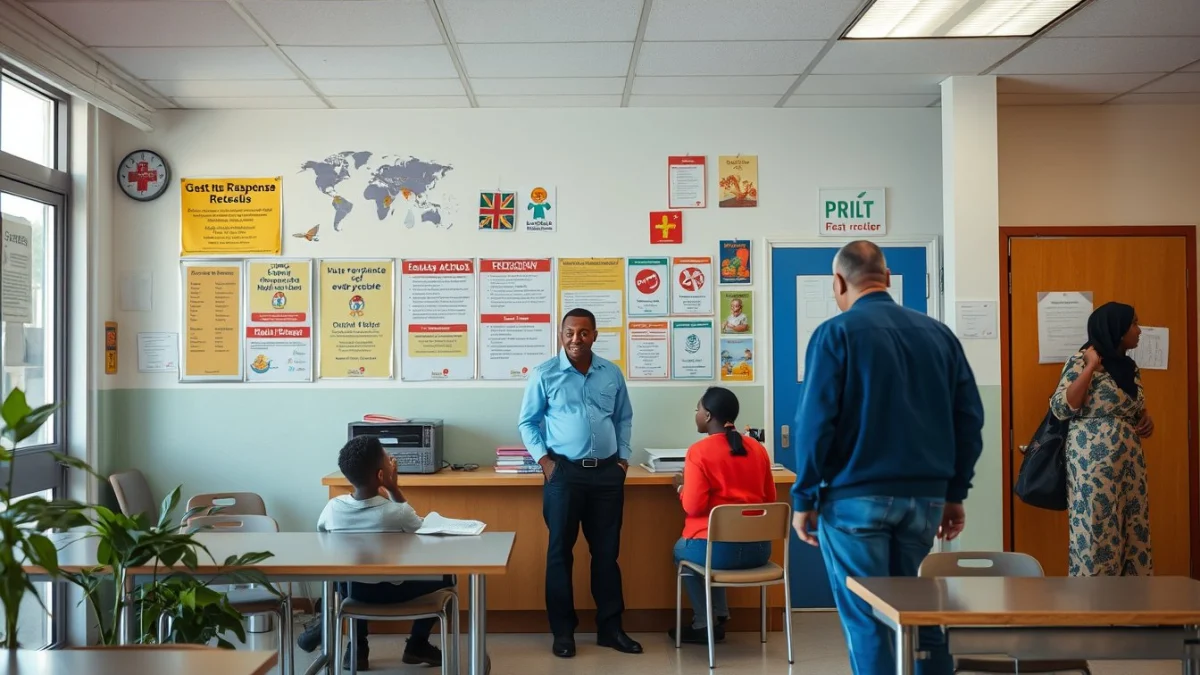
First response means acting quickly and calmly when someone needs help. This could be a medical emergency, a fire, or a safety threat. Emergency protocols are the set rules and steps the school follows during these situations. Your role is to follow these rules and support the emergency team.
Key Actions for a School Receptionist in Emergencies
- Stay calm: Keep a clear head to make good decisions.
- Alert the right people: Call the school’s emergency hotline, the principal, or emergency services if needed.
- Provide first aid help: If you are trained, give basic first aid until help arrives.
- Record what happens: Write down important details like time, what happened, and who was involved.
- Guide visitors and staff: Tell people where to go for safety or help, especially during fire drills or evacuations.
Knowing the emergency exits, fire alarms, and the nearest first aid kit in your school is very important. Practice drills are often done to help everyone learn what to do, so take these seriously.
Remember, your job is not to fix the emergency but to help manage the situation until trained staff or emergency workers arrive. Always follow the school’s safety plan and report any hazards you notice. By knowing and following basic first response and emergency protocols, you help make your school a safer place.
Live Scenario • Active Situation
You are a school receptionist responsible for handling visitors and emergencies.
There is no single perfect answer. Choose what you would do in this situation.
