
Proper Storage Techniques in the Restaurant
How to Store Food Safely in a Restaurant
Proper Storage Techniques in the Restaurant are important to keep food safe and prevent illness. When food is stored correctly, it stays fresh and does not get contaminated by bacteria or pests. Every restaurant worker must know how to store food properly to protect customers and comply with health rules.
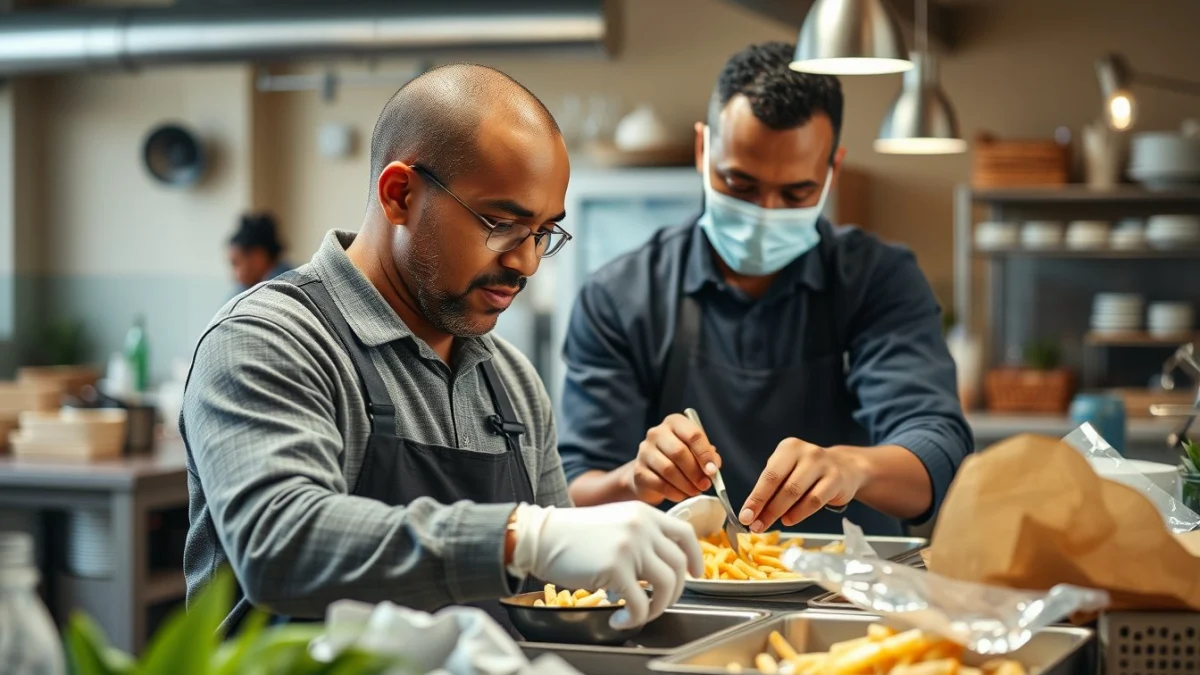
First, always store food at the right temperature. Cold food must be kept at 5°C or below, and hot food must be kept at 60°C or above. Use a fridge for raw meat, dairy, and ready-to-eat cold foods. Use a hot cabinet or warmers for hot dishes until serving.
Always clean the fridge and storage areas regularly. Dirty places can cause food to spoil fast and spread germs. Check that all containers are clean and dry before putting food in.
Steps for Proper Food Storage
- Separate raw and cooked food: Store raw meat and fish below cooked and ready-to-eat food to avoid drips and contamination.
- Use food-safe containers: Store food in covered, labelled containers to protect it and know what it is.
- Label and date food: Write the date on the container so you know when it was prepared or opened. Use food before it expires.
- Store dry goods properly: Keep dry foods like flour, sugar, and spices in airtight containers in a cool, dry place away from sunlight.
- Check food regularly: Take out old or spoiled food immediately to avoid cross-contamination.
- Follow the FIFO rule: “First In, First Out” means using the oldest food first to reduce waste.
Do not place hot food directly in the fridge. Let it cool down first but make sure it cools fast to avoid bacteria growth. Use shallow containers to help food cool quickly.
Pest control is also part of proper storage. Make sure doors and windows are closed or screened, and report any signs of pests to management. Food left uncovered or outside storage areas attracts pests.
Always wash your hands before handling or packaging food for storage. This prevents germs from your hands getting onto the food.
By using these Proper Storage Techniques in the Restaurant, food safety is improved, waste is reduced, and customers enjoy fresh meals. These practices help a restaurant run smoothly and keep everyone healthy.
Live Scenario • Active Situation
You are a restaurant assistant responsible for food storage in the kitchen.
There is no single perfect answer. Choose what you would do in this situation.
