
Following Up on Corrective Actions and Compliance Gaps
How to Effectively Monitor Corrective Actions and Close Compliance Gaps
Following up on corrective actions and compliance gaps is an important part of maintaining a safe workplace. After identifying hazards during inspections, it is not enough to just note them down. You must ensure that the corrective actions are carried out and that any non-compliance issues are fully resolved.
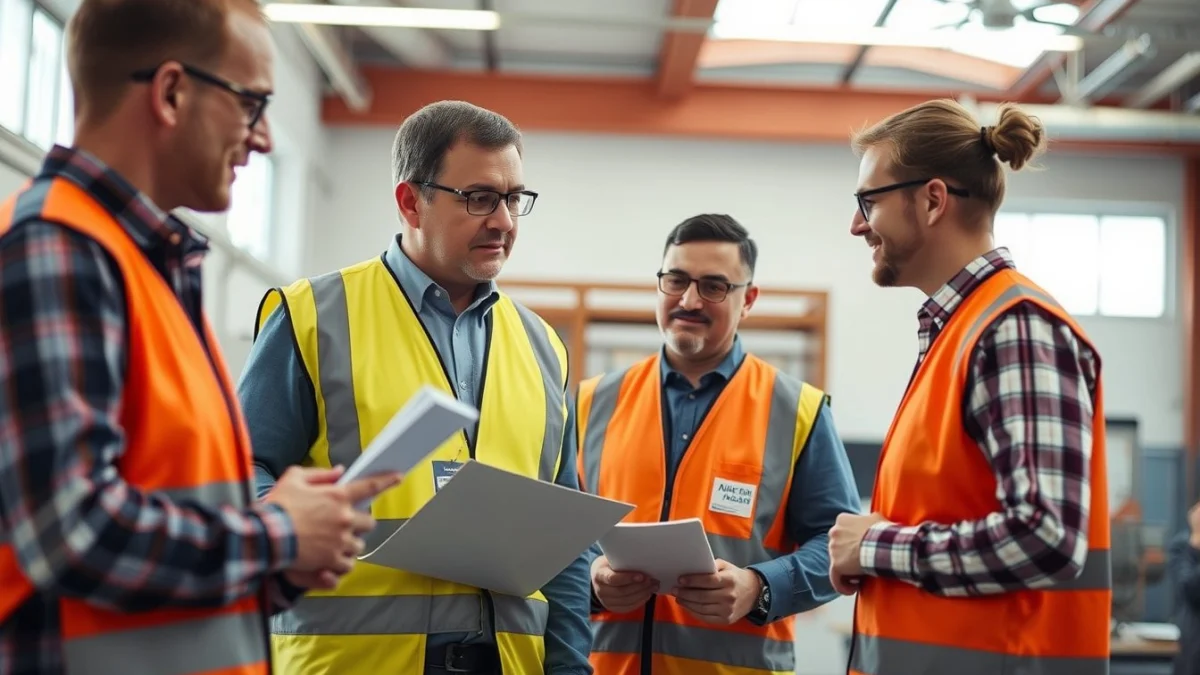
When you follow up, check if the recommended actions have been completed correctly and on time. This helps prevent the same problems from happening again. It also shows that your workplace is serious about health and safety.
Steps to Follow Up on Corrective Actions and Compliance Gaps
- Review the inspection report: Look at the list of hazards and non-compliance issues identified.
- Set deadlines: Agree on reasonable timeframes for fixing each issue with the responsible person or team.
- Communicate clearly: Make sure everyone involved understands their roles and responsibilities for the corrective actions.
- Keep records: Document the progress and completion of actions taken. This provides proof and helps in future audits.
- Re-inspect if necessary: Check the areas again to confirm that the problems have been fixed properly.
- Report back: Inform workers and management about the status and results of the corrective actions.
By following these steps, you help create a workplace where hazards are actively managed and reduced. This approach reduces accidents and health risks, benefiting everyone.
It is also important to involve workers in these follow-ups. They often know the best ways to fix problems on the job. Encouraging their input builds a stronger safety culture and ensures corrective actions are practical and effective.
Remember, a corrective action is only useful if it is completed and prevents future risks. Skipping the follow-up means you might miss important problems, leaving workers in danger.
In summary, follow up on corrective actions and compliance gaps carefully by monitoring progress, checking quality, and keeping clear records. This ensures your workplace stays safe, healthy, and compliant with laws and standards.
Live Scenario • Active Situation
You are a health and safety representative conducting follow-up on corrective actions from the last workplace inspection in a manufacturing plant.
There is no single perfect answer. Choose what you would do in this situation.
