
Supporting Hazard Identification and Risk Assessment Processes
How to Support Hazard Identification and Risk Assessment
Supporting Hazard Identification and Risk Assessment Processes is an essential part of keeping workplaces safe. It means helping to find all possible dangers and checking how likely these dangers are to cause harm. This knowledge helps in stopping accidents before they happen.
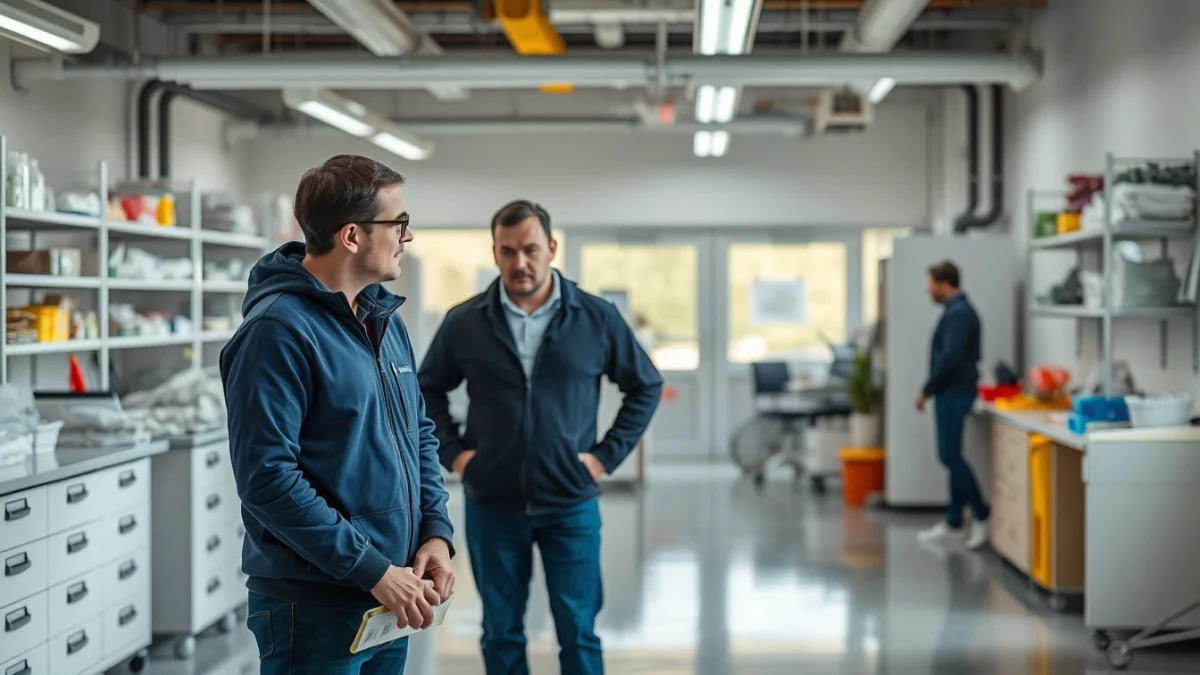
First, hazard identification means looking around the workplace to find anything that could cause injuries or health problems. Hazards can be physical, chemical, biological, or even ergonomic. It is important to include workers because they know the work better and can point out risks others might miss. Talking to workers and observing daily activities are good ways to spot hazards.
Next, risk assessment is about understanding how serious each hazard is. This involves figuring out two key things: how bad the harm could be, and how often someone might be exposed to it. For example, a slippery floor is a hazard. If many people walk there and slip risks are high, then it is a big risk that needs attention.
Steps to Follow in Risk Assessment
- Identify hazards in the workplace
- Decide who might be harmed and how
- Evaluate the risks and decide on control measures
- Record findings and implement controls
- Review the assessment regularly and update when needed
Supporting these processes means helping with each step. You can help collect information, talk to workers, and encourage people to report hazards. It also means checking if the controls put in place are working well. If not, improvements must be made.
Good control measures follow the hierarchy of controls. This means trying to remove the hazard first, or replacing it with something safer. If that is not possible, use engineering controls like guards or barriers. Next, include safe work procedures and training. Lastly, provide personal protective equipment (PPE) as a last step when other controls cannot fully remove the risk.
Remember, supporting hazard identification and risk assessment is a teamwork effort. It helps create a safer workplace where everyone knows the risks and how to avoid them. This makes work safer and can reduce accidents and illnesses.
In summary, always be alert to dangers, help in finding and assessing risks, and support putting good control measures in place. This practical approach is crucial for health and safety representatives in South Africa to keep everyone protected.
Live Scenario • Active Situation
You are a Health and Safety Representative at a busy manufacturing plant.
There is no single perfect answer. Choose what you would do in this situation.
