
Understanding Risk, Likelihood, and Severity
What You Need to Know About Risk, Likelihood, and Severity
Understanding Risk, Likelihood, and Severity is key to keeping workplaces safe. When you carry out a risk assessment, these three ideas help you decide what dangers exist and how serious they could be. Knowing this makes it easier to put the right control measures in place to prevent accidents and injuries.
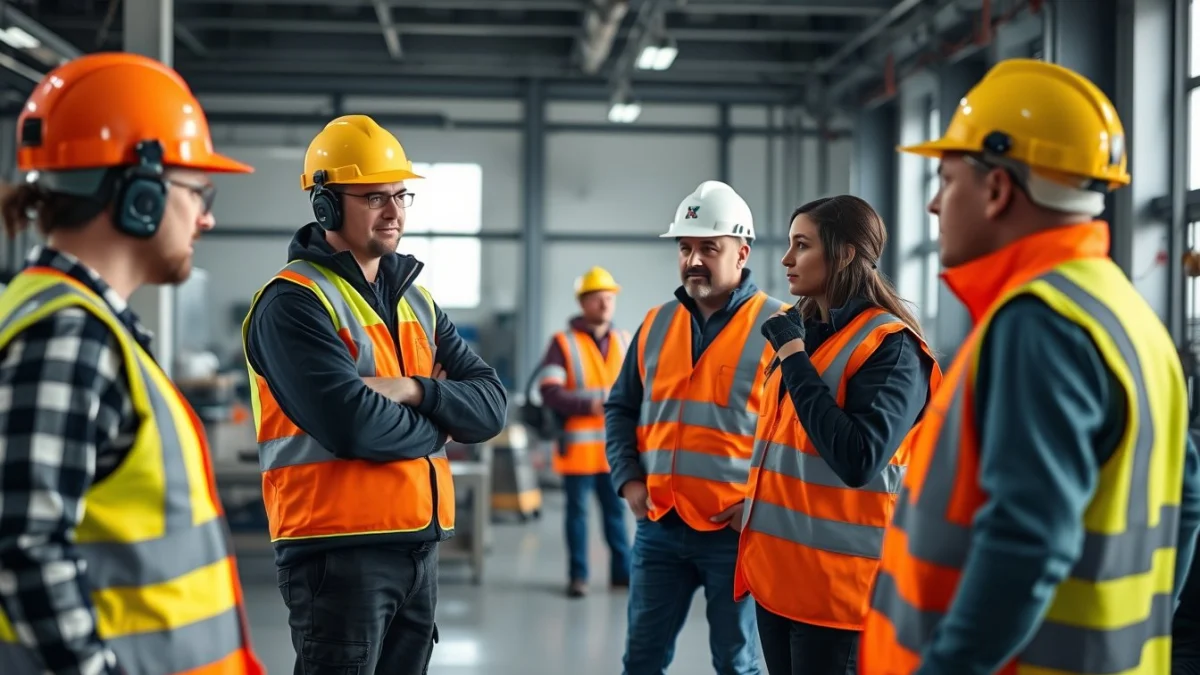
Risk means the chance that harm could happen because of a hazard. A hazard is anything that can cause injury, illness, or damage, like a wet floor or faulty machinery. Risk is about how likely it is that this harm might happen, and how bad the harm could be.
Likelihood is the chance or probability that a risk will cause harm. It asks, “How often could this danger cause an accident?” Likelihood is usually rated from very unlikely to very likely. For example, if workers often walk on a slippery floor, the likelihood of slipping is high.
Severity means how serious the harm could be if an accident happens. It looks at the possible injury or damage caused by the hazard. Severity can range from a minor cut or bruise to a serious injury or even death. It also includes damage to property or the environment.
By combining likelihood and severity, you can rank risks to see which hazards need the most attention. This is important because not all risks are the same. Some hazards may be very likely but cause only minor harm. Others might be rare but very serious. Understanding this helps you focus on the biggest dangers.
Steps to Assess Risk Using Likelihood and Severity
- Identify the hazard: Find what could cause harm.
- Consider the likelihood: How often could this danger lead to harm?
- Think about severity: What is the worst harm that could happen?
- Evaluate the risk: Use likelihood and severity to judge if the risk is low, medium, or high.
- Decide on control measures: Find ways to reduce the risk to an acceptable level.
For example, if a machine’s guard is missing, the likelihood of a worker getting hurt is high, and the severity could be serious or fatal. So, this risk must be fixed immediately by putting the guard back or stopping the machine until it is safe.
In summary, when you understand risk, likelihood, and severity clearly, you make better health and safety decisions. This protects workers and creates a safer workplace. Always use these concepts during your risk assessments to identify hazards and decide the best control measures.
Live Scenario • Active Situation
You are a Health and Safety Representative at a busy warehouse.
There is no single perfect answer. Choose what you would do in this situation.
