
The Role of Quality Assurance in the South African Food Industry
Why Quality Assurance Matters in South Africa’s Food Industry
The role of quality assurance in the South African food industry is very important for keeping food safe, reliable, and good to eat. Quality assurance (QA) means checking all parts of food production to make sure food meets South African and international standards. It protects customers from poor quality and unsafe food, and helps companies follow laws and grow their business.
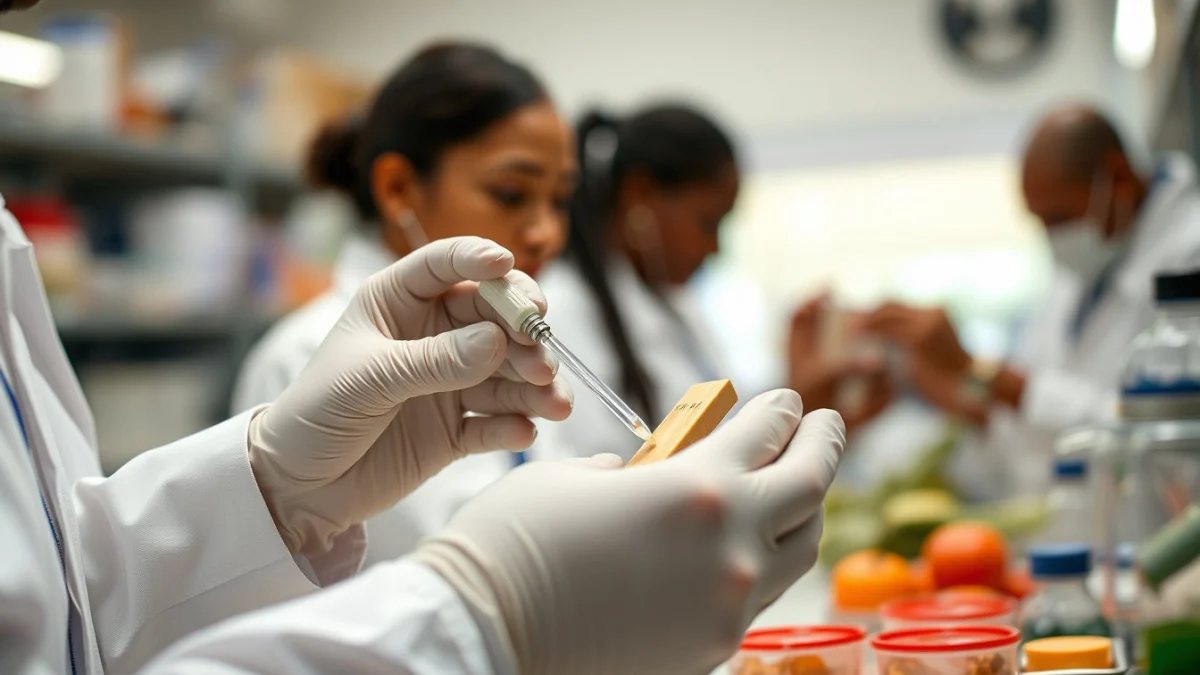
South Africa has many food businesses, from big factories to small farms and shops. Each needs quality assurance to avoid mistakes that can cause food poisoning or product recalls. QA helps these businesses find problems early and fix them before food reaches the customer.
Here are some key reasons why quality assurance plays a vital role:
- Food Safety: QA ensures food is free from harmful bacteria, chemicals, or contamination. This reduces risks of illness among consumers.
- Legal Compliance: South African law requires food companies to follow strict rules. Quality assurance helps companies meet these legal requirements, avoiding fines or shutdowns.
- Consistency: Customers expect the same good quality every time. QA helps maintain consistent taste, texture, and appearance of food products.
- Consumer Confidence: When consumers trust a brand, it grows stronger. Quality assurance builds this trust by proving the food is safe and of good quality.
- Export Opportunities: For South African food businesses that want to sell internationally, QA is crucial. Many countries require proof of quality controls before allowing imports.
How Quality Assurance Works in the Food Industry
Quality assurance covers all steps in making food, from raw materials to packaging. It involves:
- Supplier Checks: Making sure raw ingredients come from trusted, safe sources.
- Process Controls: Monitoring production to keep it clean and controlled.
- Testing: Regularly testing food samples for microbes, chemicals, and quality traits.
- Staff Training: Teaching workers good hygiene and safety practices.
- Record Keeping: Keeping detailed records to track food safety and quality history.
Advances in technology also support QA, for example, using barcode scanning, temperature sensors, and computer systems to detect problems quickly.
In summary, the role of quality assurance in the South African food industry is to protect consumers while helping businesses succeed. It creates a safer food supply, supports fair trade practices, and helps South African food products compete both locally and globally.
Live Scenario • Active Situation
You are a quality assurance officer at a South African food production factory.
There is no single perfect answer. Choose what you would do in this situation.
