
Training and Educating Staff on Food Quality Practices
How to Train Staff on Food Quality Practices Effectively
Training and educating staff on food quality practices is vital for any workplace that handles food. It ensures that everyone understands how to maintain high standards, which helps keep food safe and meets customer expectations. Proper training reduces mistakes, prevents contamination, and improves overall product quality.
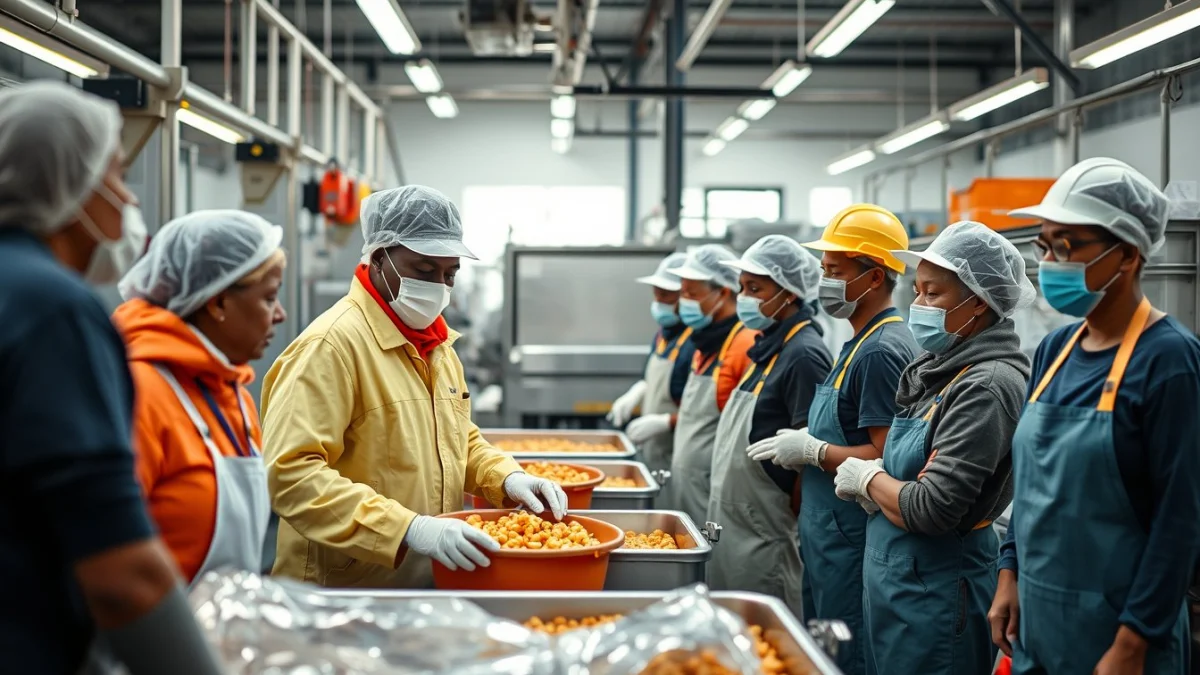
Food quality practices cover many areas, such as handling, storage, hygiene, and checking products for defects. Staff must know the correct procedures to follow every day. This makes the workplace safer and more efficient.
Here are some practical steps to train and educate staff on food quality practices:
- Start With Clear Guidelines
Provide simple, clear rules about food safety and quality. Use manuals, posters, and checklists in the language your staff understands best. - Use Practical Demonstrations
Show staff exactly how to handle food, clean equipment, and check food quality. Seeing the process helps workers learn faster than just reading or listening. - Train in Small Groups
Small groups allow for better interaction and help trainers answer questions. Everyone gets a chance to practice and understand the procedures well. - Include Regular Reviews
After initial training, keep staff up to date with refresher courses or quick reminders. This stops bad habits from developing and keeps quality standards high. - Encourage Questions and Feedback
Create a friendly environment where employees feel comfortable asking about food quality issues. This helps spot problems early and improve training methods.
Key Topics to Cover in Training
- Personal hygiene and hand washing
- Proper food storage temperatures
- Cleaning and sanitising equipment
- Identifying food spoilage or contamination
- Understanding food safety laws and regulations
- Handling food allergens carefully
- Correct methods for checking product quality
With good training and education on food quality practices, staff become knowledgeable and confident. This reduces risks like foodborne illness and product recalls. It also improves the reputation of your business in the market.
Remember that food quality assurance is an ongoing process. Staff need continuous support and clear communication to stay focused on quality. When everyone understands their role, your workplace will run smoothly and safely.
Live Scenario • Active Situation
You are the food safety supervisor at a busy food processing plant, responsible for training new staff on food quality practices.
There is no single perfect answer. Choose what you would do in this situation.
