
Sanitation Procedures for Food Contact Surfaces
Sanitation Procedures for Food Contact Surfaces are essential to keep food safe from contamination and to meet food safety standards. These procedures ensure that all surfaces touching food, such as cutting boards, knives, trays, and preparation tables, are clean and free from harmful bacteria, dirt, and food residue.
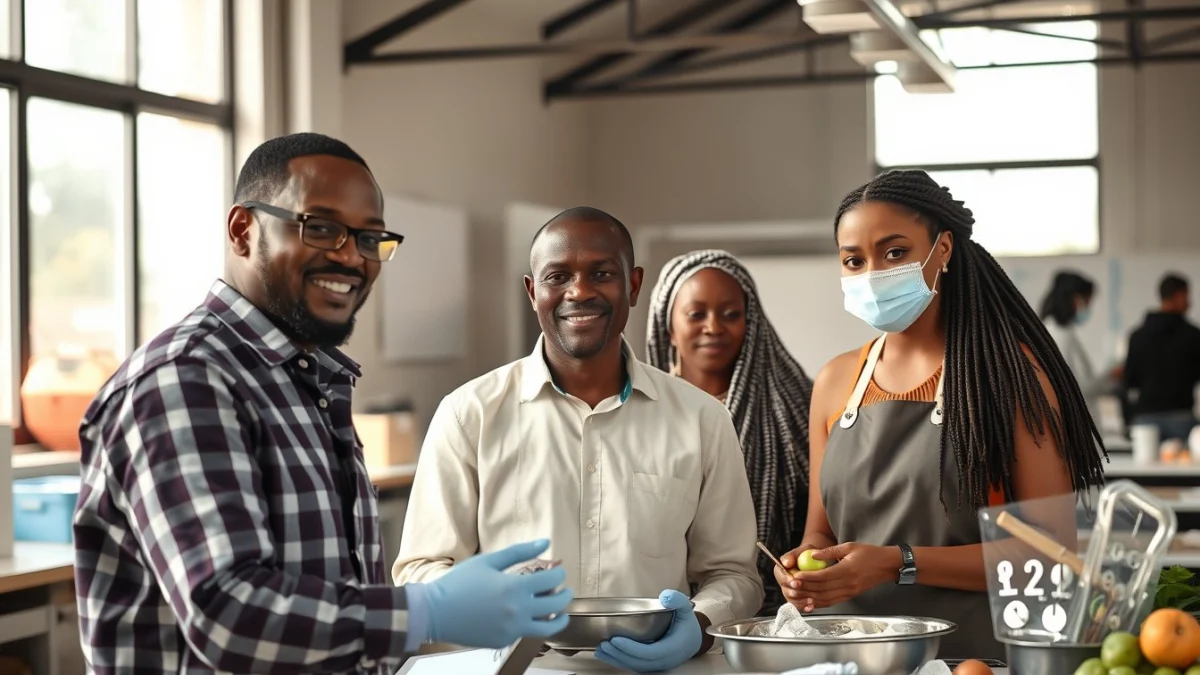
Why Proper Sanitation Matters for Food Safety
Food contact surfaces are places where food can easily pick up germs if not cleaned properly. Poor sanitation can cause foodborne illnesses by allowing bacteria like Salmonella or E. coli to multiply. It can also lead to cross-contamination, where bacteria from raw foods spread to cooked or ready-to-eat food.
Good sanitation keeps food quality high, extends the shelf life of food products, and helps businesses comply with health regulations.
Basic Steps for Sanitation Procedures for Food Contact Surfaces
- Remove Food Debris: Before sanitation, scrape or wipe off all visible food particles and dirt.
- Wash: Use hot water and food-safe detergent to clean surfaces. This step removes grease, oils, and residues.
- Rinse: Rinse surfaces thoroughly with clean water to remove soap and leftover debris.
- Sanitise: Apply an approved sanitiser according to instructions. This step kills remaining bacteria. Examples include chlorine solutions or commercial sanitisers.
- Allow to Dry: Let surfaces air dry or dry with a clean cloth. Avoid using dirty towels.
Following each of these steps regularly, especially between different tasks or food types, is vital to prevent contamination.
Tips for Effective Cleaning and Sanitising
Always use food-grade cleaning products that are safe and approved. Check expiry dates on sanitisers, and prepare fresh solutions daily.
Clean and sanitise equipment and surfaces frequently. For example, wash cutting boards and knives after dealing with raw meat or fish.
Use separate cleaning cloths or sponges for different tasks to avoid cross-contamination.
Train all food handlers on the correct cleaning and sanitising methods to ensure consistent food safety.
Common Mistakes to Avoid
- Skipping the washing step and only sanitising. Sanitising works best after surfaces have been cleaned.
- Using too strong or too weak sanitiser solutions. Follow product instructions closely.
- Wiping surfaces with dirty cloths, which spreads germs instead of removing them.
- Not allowing surfaces to dry properly before use, which can reduce sanitiser effectiveness.
Regular inspections and monitoring cleaning schedules help to maintain good sanitation standards. A clean and sanitised food contact surface is a key part of quality assurance in food preparation.
Live Scenario • Active Situation
You are a food safety assistant responsible for ensuring sanitation of food contact surfaces in a busy commercial kitchen.
There is no single perfect answer. Choose what you would do in this situation.
