
National and International Food Quality Standards
Understanding Food Quality Standards in South Africa and Beyond
National and International Food Quality Standards are important rules that help keep the food we eat safe and good to use. These standards guide farmers, food manufacturers, and sellers on how to handle food from the farm right up to the table.
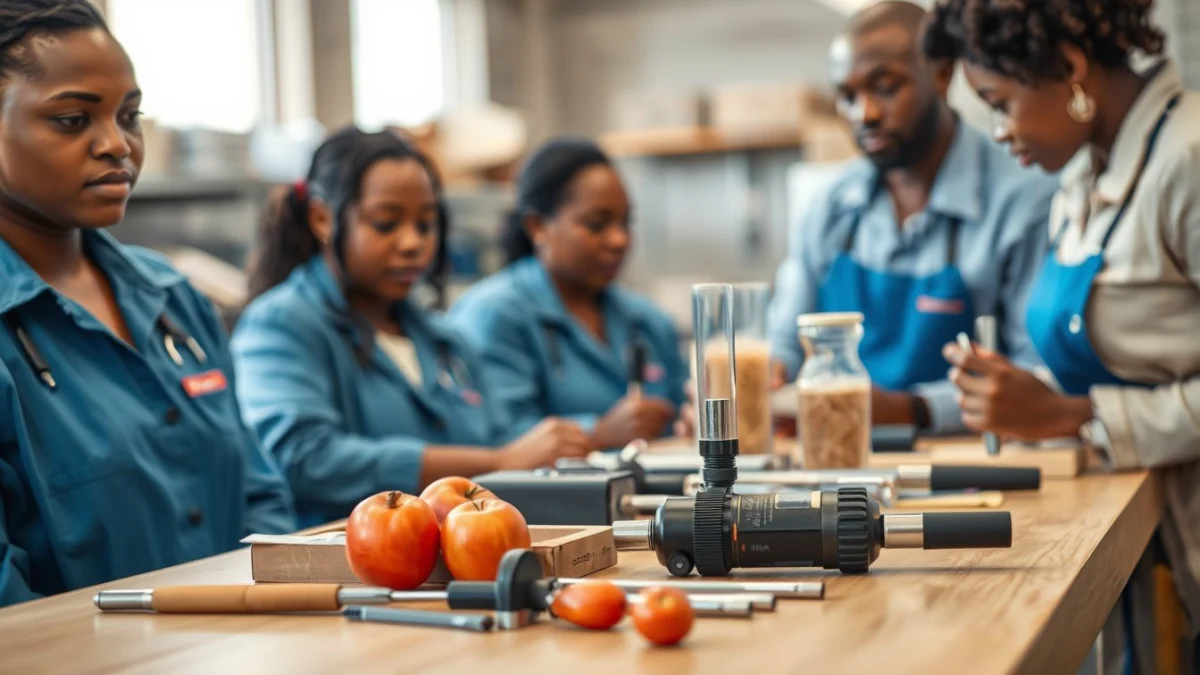
In South Africa, food quality standards are set by several organisations to protect consumers and promote high-quality food. The main body responsible is the South African Bureau of Standards (SABS). They develop and maintain South African National Standards (SANS) which cover hygiene, packaging, labelling, and safety of food products.
Besides SABS, the Department of Health regulates food safety through the Foodstuffs, Cosmetics and Disinfectants Act. This Act ensures that harmful substances do not enter the food supply. Also, the Department of Agriculture, Forestry and Fisheries monitors food production quality and sets rules for farming and animal health.
On the international side, there are well-known standards like Codex Alimentarius, set by the Food and Agriculture Organization (FAO) and the World Health Organization (WHO). These global standards help countries trade food safely and fairly. South Africa uses these international guidelines to align its food safety laws with global best practices.
Examples of Key Food Quality Standards:
- SANS 10330: Microbiological quality of food
- CFR (Code of Federal Regulations): Used by the USA, often referred to during export
- Codex Standards: Covers a wide range of foods including meat, dairy, and cereals
- HACCP (Hazard Analysis and Critical Control Points): A system to prevent hazards in food production
Why are these standards important? They help prevent foodborne illnesses by ensuring food is clean and handled properly. They also improve food shelf life and reduce waste.
Food businesses in South Africa must follow both national and international standards, especially if they want to export products. Meeting these standards helps businesses access new markets and build trust with customers.
In summary, National and International Food Quality Standards work together to make sure food is safe, nutritious, and good quality. Knowing these standards helps learners, workers, and consumers understand the steps needed for food safety and quality assurance in South Africa and abroad.
Live Scenario • Active Situation
You are a quality control officer at a food processing plant in South Africa.
There is no single perfect answer. Choose what you would do in this situation.
