
Basic Principles of Child Growth and Development
Understanding How Children Grow and Develop
The Basic Principles of Child Growth and Development help us understand how children change physically, mentally, and emotionally from birth to early childhood. Knowing these principles is important for parents, caregivers, and teachers to support children’s learning and health properly.
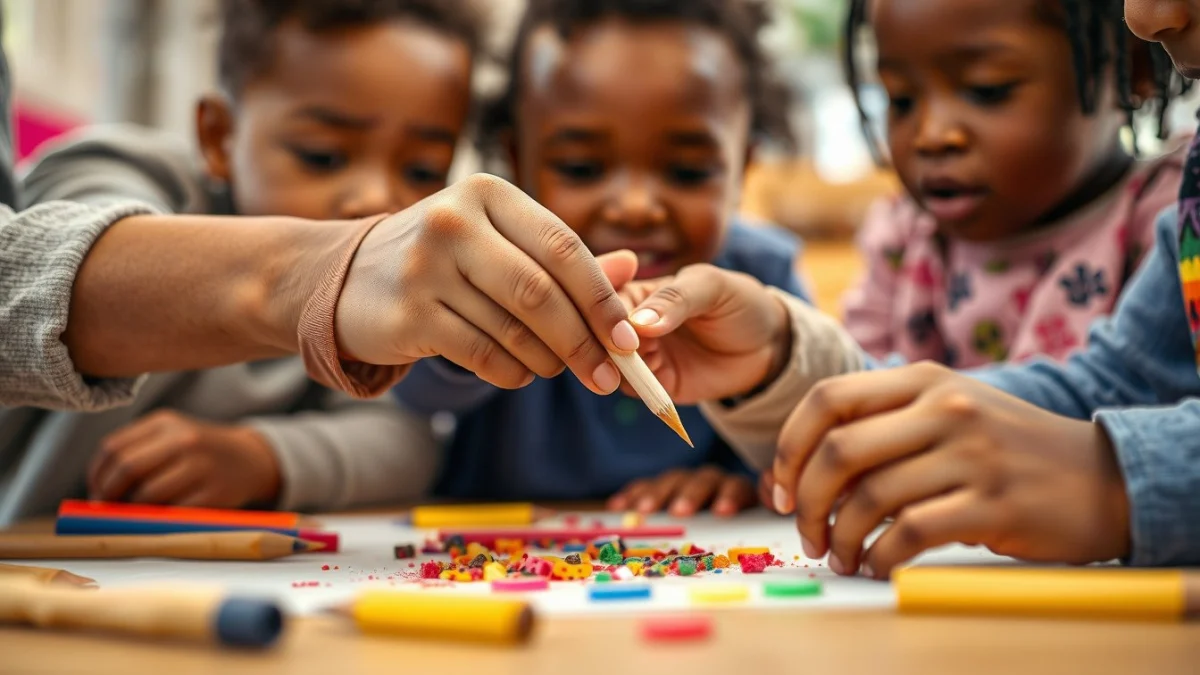
Child growth refers to the physical changes in the body, like getting taller and stronger. Development means how children learn new skills, such as talking, thinking, and moving. These two happen together but in different ways.
Key Principles of Child Growth and Development
- Development follows a sequence. Children learn skills in a set order, like first lifting their head, then sitting, crawling, and walking.
- Development happens at different rates. Each child grows and develops at their own pace. Some may talk earlier, while others start walking first.
- Development is continuous. Growth and learning happen all the time from birth through childhood and beyond.
- Different areas of development are connected. Physical growth affects mental skills, and emotional well-being can influence physical health.
- Early experiences matter most. The first few years are critical for brain development and learning important skills.
- Children develop from general to specific skills. They start making broad movements first, then learn to do finer tasks like picking up small objects.
- Growth and development occur from head to toe. Babies control their head and neck first, then shoulders, arms, and legs.
By understanding these principles, adults can create a healthy, safe, and stimulating environment for children. This helps children explore, learn, and grow confidently.
In Early Childhood Development (ECD), applying these principles means observing each child’s progress and supporting their needs. If a child is slow in one area, it’s important to encourage and help them rather than compare them with others.
It is also important to remember that children learn best through play, routine, and positive interaction. Providing a variety of age-appropriate activities helps build skills in all areas of development.
In summary, the Basic Principles of Child Growth and Development serve as a guide to understand how children grow physically, mentally, emotionally, and socially. These principles help caregivers support every child’s unique journey through their early years.
Live Scenario • Active Situation
You are an Early Childhood Development (ECD) practitioner at a community daycare centre.
There is no single perfect answer. Choose what you would do in this situation.
