
Physical Development in Early Years
Understanding Physical Growth in Young Children
Physical Development in Early Years is a key part of a child’s overall growth. It involves how children’s bodies grow and how they learn to use their muscles. This development helps children gain strength, coordination, and control over their movements.
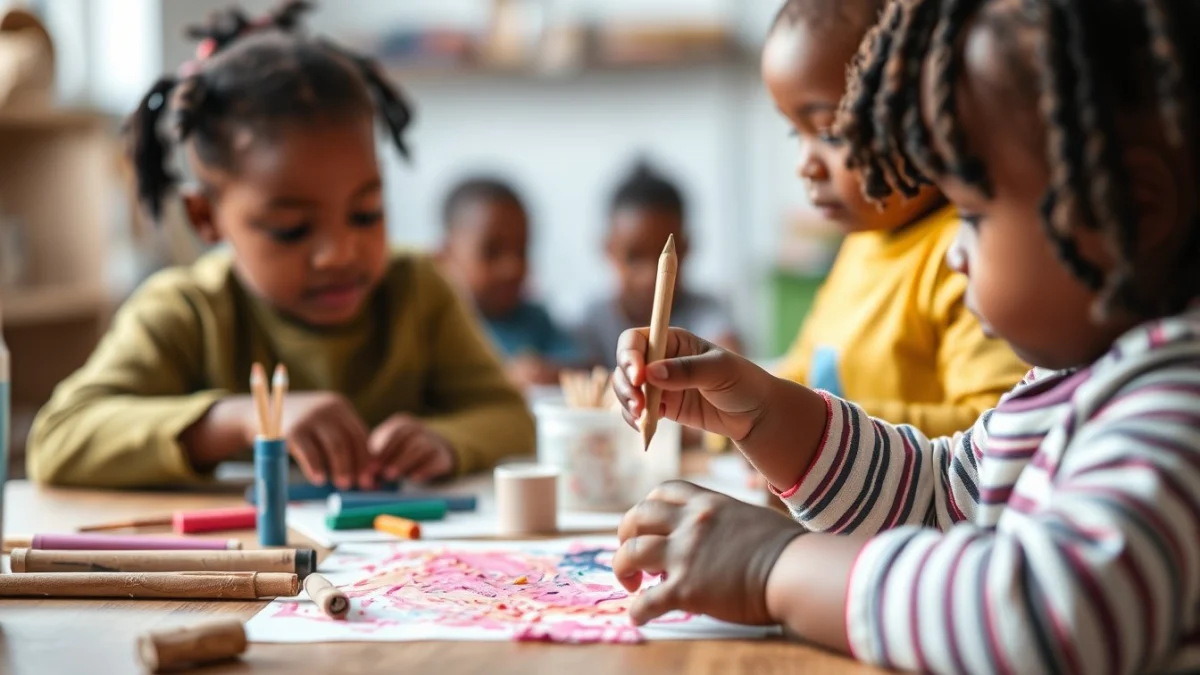
From birth to about eight years old, children go through many important physical changes. These changes affect their ability to do everyday activities like crawling, walking, and later, running or writing. Watching how a child grows physically helps caregivers and teachers support their learning and health.
Stages of Physical Development
- Infancy (0-2 years): Babies gain control of their heads and begin to sit, crawl, and walk.
- Toddler (2-3 years): Toddlers improve walking and start running, climbing, and basic hand use.
- Preschool (3-5 years): Children develop better balance, coordination, and fine motor skills like drawing.
- Early school years (5-8 years): Growth continues as children become more skilled in sports, writing, and self-care.
Physical development is divided into two main areas:
- Gross motor skills: These involve large muscle movements used in actions like crawling, walking, jumping, and throwing.
- Fine motor skills: These involve smaller muscle movements, such as picking up small objects, drawing, buttoning clothes, and using scissors.
Both gross and fine motor skills are important for a child’s independence. For example, being able to dress themselves or hold a pencil are fine motor skills, while playing outside and moving around uses gross motor skills.
Factors Affecting Physical Development
Several things can influence how children develop physically:
- Nutrition: Healthy food helps muscles and bones grow strong.
- Exercise and play: Regular active play builds muscles and improves coordination.
- Health: Illness or medical conditions can slow growth or affect muscle control.
- Environment: A safe and stimulating space with access to toys and activities encourages physical development.
- Genetics: Children inherit physical traits from their parents that also shape development pace.
Caregivers and teachers should encourage daily movement and provide opportunities for children to practice new skills. Simple activities like climbing, running, throwing a ball, or tracing shapes with fingers support physical growth.
Why Physical Development is Important
Physical skills are the foundation for learning other skills, such as reading and social interaction. For example, children must develop good hand-eye coordination to write and use scissors. Strong and healthy bodies also improve children’s confidence and ability to explore their world safely.
Early checks on physical development help identify any delays or difficulties. It is easier to support children when challenges are found early. Parents and ECD practitioners must work together to help children reach their full potential.
Remember, each child grows at their own pace. It is important to celebrate progress and provide gentle support. Physical Development in Early Years lays a solid foundation for a happy, healthy, and active life.
Live Scenario • Active Situation
You are an Early Childhood Development (ECD) practitioner working with children aged 2 to 5 in a busy preschool centre.
There is no single perfect answer. Choose what you would do in this situation.
