
Social and Emotional Growth in Young Children
Understanding Social and Emotional Growth in Young Children
Social and Emotional Growth in Young Children is a vital part of early childhood development. This growth helps children learn how to recognise their feelings, build relationships, and behave in social settings. When children develop these skills, they can communicate better, show empathy, and manage their emotions.
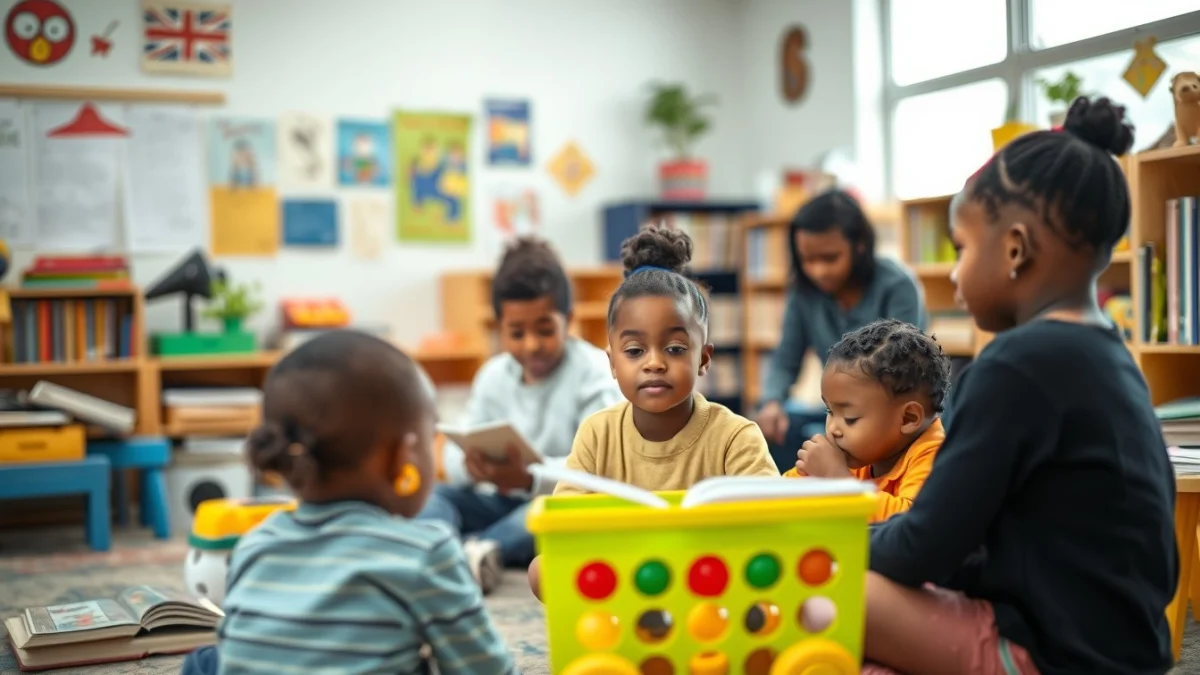
From birth to around six years old, children go through many changes in how they relate to others and understand themselves. Social growth means learning how to play and work with others, share, take turns, and follow rules. Emotional growth means understanding feelings like happy, sad, angry, or scared, and knowing how to express these feelings in safe ways.
Caregivers, teachers, and parents play a big role in helping children grow socially and emotionally. Children need a safe and loving environment where they feel valued and supported. This encourages them to try new things, make friends, and solve problems peacefully.
Key Signs of Social and Emotional Growth in Young Children
- Smiling and making eye contact with others
- Playing alongside or with other children
- Showing concern when others are upset
- Waiting for their turn and sharing toys
- Expressing their feelings with words rather than tantrums
- Following simple rules in games or daily routines
- Showing independence with small tasks
Supporting this growth means encouraging children to talk about their feelings every day. Listening carefully and naming emotions helps children understand themselves better. Role-plays and storybooks about feelings and relationships also teach important lessons.
Sometimes, children may find social situations difficult, such as being shy or having trouble making friends. This is normal. Adults can help by being patient, offering gentle guidance, and providing lots of opportunities for positive social interaction.
Good social and emotional development lays the foundation for later success in school and life. It helps children build confidence, manage stress, and work well with others. Therefore, it’s important to notice and celebrate even small steps in a child’s social and emotional growth.
In summary, Social and Emotional Growth in Young Children is about learning to understand emotions, forming healthy relationships, and behaving in ways that help them connect with others. Early support from adults makes a big difference in helping children grow into happy, resilient individuals.
Live Scenario • Active Situation
You are an ECD practitioner in a busy early childhood centre during playtime.
There is no single perfect answer. Choose what you would do in this situation.
