
ESSENTIAL Safety and Hygiene Practices in ECD Settings
ESSENTIAL Safety and Hygiene Practices in ECD Settings are very important to protect young children and give them a healthy learning space. In Early Childhood Development, keeping children safe and clean helps prevent illness and accidents. It also promotes good habits that children will use throughout their lives.
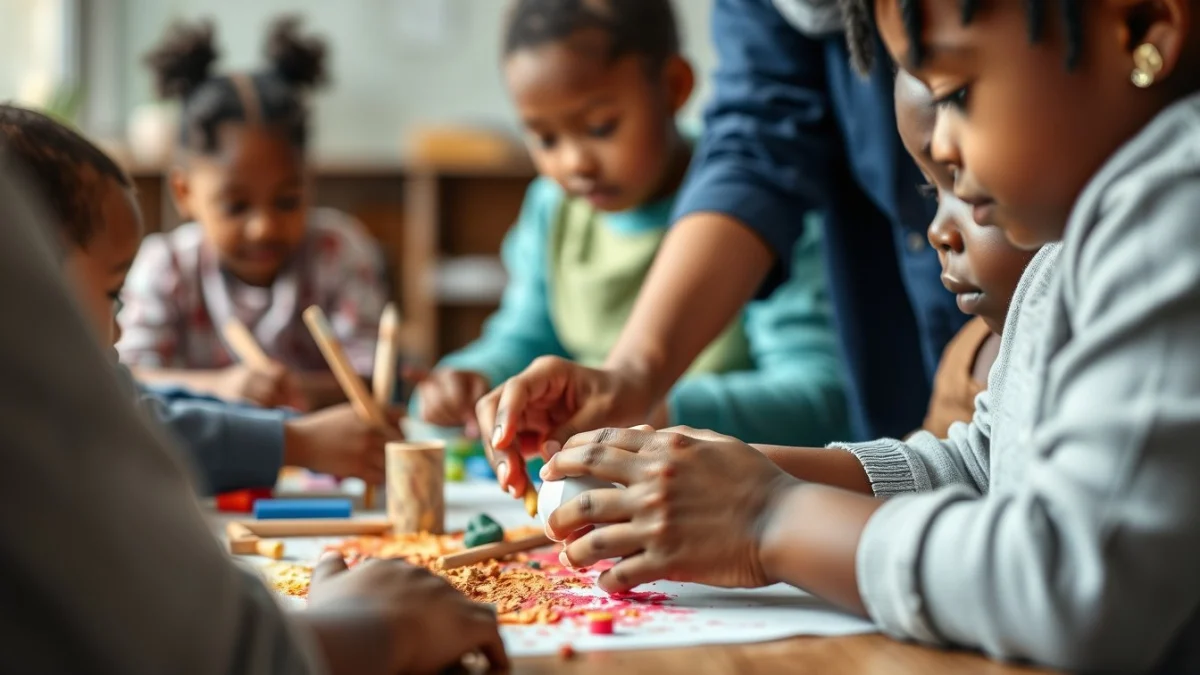
How to Keep an ECD Setting Safe and Clean
The first step is to make sure the environment is free from any dangers. This means checking for sharp objects, loose wires, or broken toys. All play areas should be secure and children must be supervised at all times. Supervision can stop injuries before they happen.
Good hygiene helps stop the spread of germs. Caregivers must wash their hands before and after helping children eat, after changing nappies, and after using the toilet. Children should be encouraged to wash their hands regularly with soap and water. Handwashing stations must have clean water and soap available at all times.
All toys, clothes, and equipment must be cleaned often. Dirty items can carry germs that make children sick. Using safe, child-friendly cleaning products is best. Towels, bedding, and nappies need to be changed daily or as needed to keep everything fresh and hygienic.
Creating a routine for cleaning and safety checks helps keep the ECD setting organised and healthy. For example, at the start and end of each day, clean tables, floors, and play areas. Also, check that safety gates and locks are working properly.
Practical Safety and Hygiene Tips for ECD Caregivers
- Always supervise children to prevent accidents.
- Wash your hands regularly and teach children to do the same.
- Clean and disinfect toys and surfaces daily.
- Store cleaning products and medicines out of children’s reach.
- Dispose of waste promptly to keep the space clean.
- Keep food preparation areas clean and safe.
- Report any hazards or accidents immediately.
Using these ESSENTIAL Safety and Hygiene Practices in ECD Settings will create a bright, healthy place for children to learn and grow. When safety and hygiene are a priority, both children and caregivers feel confident and comfortable. This supports the overall development, health, and well-being of every child in your care.
Live Scenario • Active Situation
You are an ECD caregiver responsible for children’s safety and hygiene in a busy Early Childhood Development centre.
There is no single perfect answer. Choose what you would do in this situation.
