
Types and Purpose of Customs Inspections
Understanding Customs Inspections for Effective Risk Management
Types and purpose of customs inspections are important for learners training as Customs Clearance Assistants. Customs inspections ensure goods crossing borders comply with laws. They help prevent illegal imports, protect revenue, and keep South Africa safe.
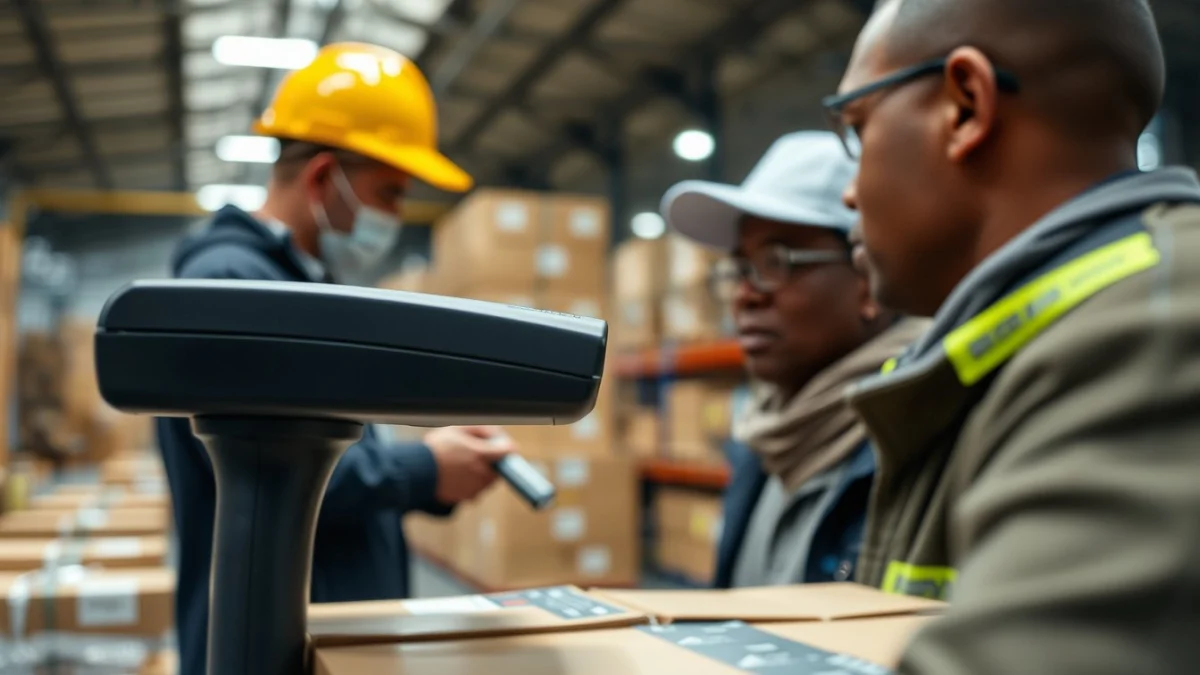
Customs inspections can be physical or documentary. Physical inspections involve checking the actual goods. Documentary inspections review all paperwork related to the shipment. Both types help identify high-risk shipments that require closer checks.
Common Types of Customs Inspections
- Physical Inspection: Customs officers open containers or packages to examine goods inside. They check if descriptions match the declarations and if prohibited items are present.
- Documentary Inspection: Officers review invoices, bills of lading, certificates, and permits. This ensures documents are accurate and match the goods declared.
- Non-Intrusive Inspection: Using technology like x-rays and scanners, customs assess goods without opening containers. This speeds up processing while maintaining security.
- Label and Markings Check: Inspecting packaging labels, barcodes, and markings to verify origin, product details, and compliance.
- Targeted or Random Inspections: Targeted inspections focus on high-risk shipments based on risk profiles. Random inspections act as a deterrent and quality control.
The purpose of customs inspections is to:
- Verify accuracy of customs declarations and paperwork.
- Detect prohibited or restricted goods such as drugs, counterfeit items, or unsafe products.
- Prevent smuggling and fraud, protecting government revenue.
- Ensure compliance with import and export regulations.
- Protect health, safety, and the environment by inspecting food, chemicals, and other sensitive goods.
- Support risk management by focusing efforts on risky shipments.
By understanding the various types and purpose of customs inspections, Customs Clearance Assistants can better prepare documents and shipments for smooth clearance through South African borders. Knowing what customs officers look for helps reduce delays and avoid penalties.
Live Scenario • Active Situation
You are a Customs Clearance Assistant assigned to inspect a high-value import shipment flagged for risk at a busy South African port.
There is no single perfect answer. Choose what you would do in this situation.
