
Opportunities for Further Training and Advancement
How to Grow Your Career as a Customs Clearance Assistant
Opportunities for further training and advancement are important for anyone working as a customs clearance assistant. These opportunities help you gain new skills, improve your knowledge, and move up to better jobs in the customs and logistics field.
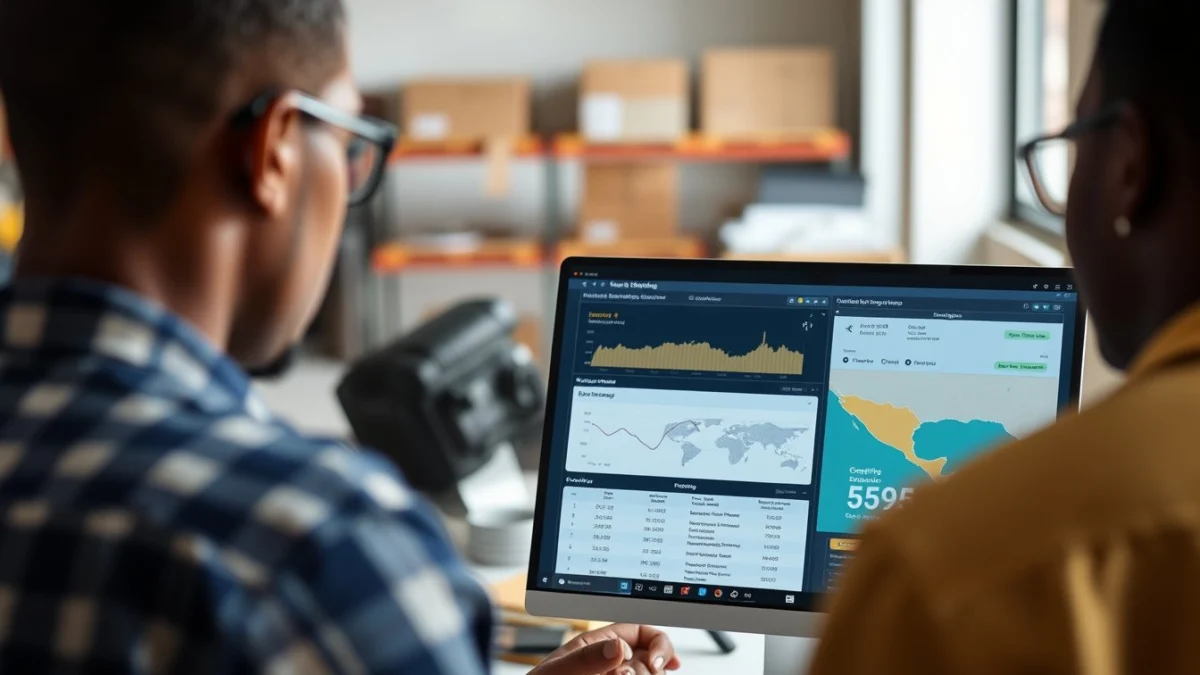
As a customs clearance assistant, your work includes preparing documents, checking goods against rules, and helping customs officers. Learning more about customs laws, import/export regulations, and trading procedures will make you a stronger worker and open doors to promotions or higher jobs.
Here are some opportunities for further training and advancement you can consider:
- Short Courses and Workshops: Many organisations offer courses on customs compliance, international trade, or freight forwarding. This training updates your knowledge and helps you explore new areas of the job.
- Certification Programs: Earning official certificates, such as the SAIT or similar trade certifications, shows employers you have proven skills and knowledge. This can increase your chance to get better positions.
- Learning About Import and Export Laws: Customs laws change often. Taking specific training on recent regulations and tariffs helps you stay current and work more efficiently.
- Computer and Software Skills: Many customs systems use digital tools to track shipments and paperwork. Training in relevant software like cargo tracking or clearance systems improves your performance.
- Language and Communication Skills: Learning official business English or other languages used in trade can help you communicate better with clients and customs officials.
Advancement Options in Customs and Trade
- Senior Customs Clearance Officer: After gaining experience and skills, you can take on a more responsible role, handling complex cases and supervising others.
- Customs Compliance Specialist: This role focuses on ensuring all shipments follow the law exactly, reducing risks for companies.
- Logistics Coordinator or Manager: A broader job where you manage the movement of goods within a company, including customs clearance as one part.
- Customs Broker: Becoming a licensed customs broker means you can officially clear goods through customs on behalf of clients, a highly respected and well-paid role.
- Further Studies: You could study international trade, supply chain management or law to open up more advanced career paths.
To take advantage of these opportunities, look for training providers accredited by South African trade bodies or recognized internationally. Besides formal training, gaining practical experience by volunteering or working in related roles helps build your resume.
Networking with customs officials, attending trade workshops, and joining professional groups can also help you learn about new courses and job openings. Remember that continuous learning and improvement are key to advancing in customs clearance and related fields.
Live Scenario • Active Situation
You are a Customs Clearance Assistant aiming to advance in your career.
There is no single perfect answer. Choose what you would do in this situation.
