
Reviewing Real-Life Import and Export Examples
How Real-Life Import and Export Examples Improve Customs Knowledge
Reviewing real-life import and export examples is a powerful way to understand Customs Clearance better. These examples show practical steps used in actual goods crossing borders. They help learners see how rules and documents apply in everyday business, making theory easier to grasp.
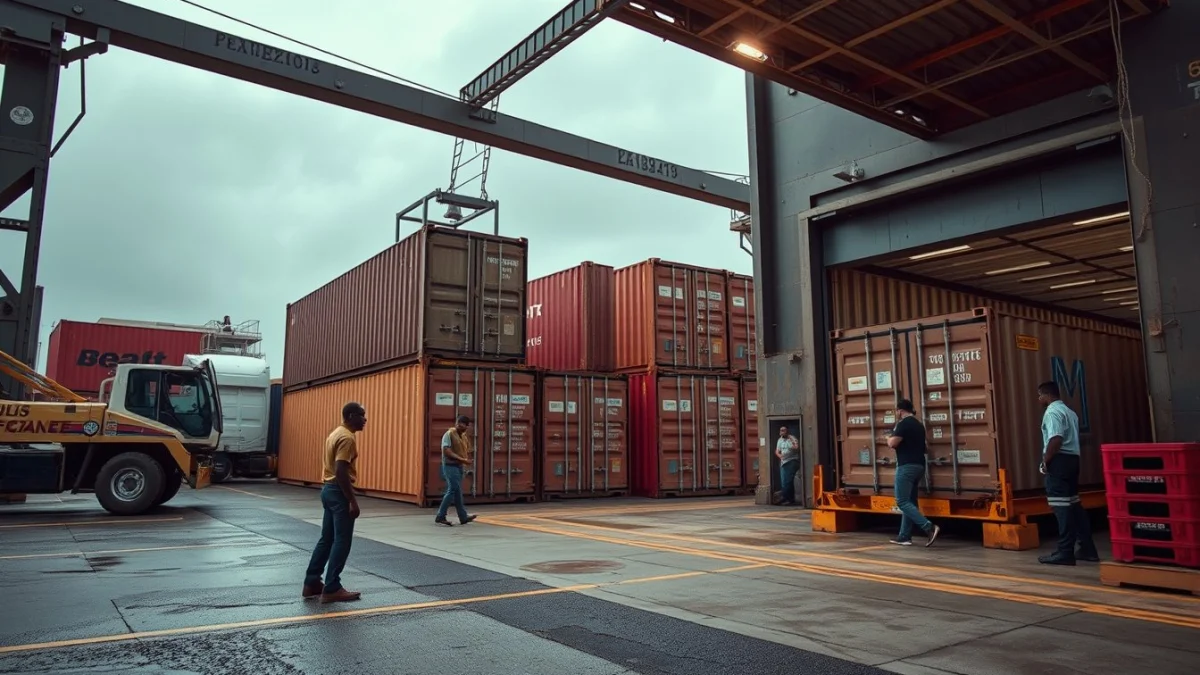
In South Africa, imports and exports involve many rules set by the South African Revenue Service (SARS) and international body regulations. Real cases show how these rules affect different types of goods, how taxes and duties are calculated, and the steps businesses take to clear goods quickly.
Key Benefits of Using Real Examples
- Understanding necessary documents like invoices, packing lists, and import permits
- Learning the role of customs brokers and clearance agents
- Seeing how classification of goods impacts duties and taxes
- Recognising common challenges like delays, penalties, and compliance issues
- Applying problem-solving in real customs scenarios
For instance, a case study on importing electronics into South Africa could explain how to classify goods under the Harmonised System (HS) codes. It would detail how Customs valuations affect duty rates and the necessary permits to avoid problems. Another example might show exporting farm produce to Europe, highlighting phytosanitary certificates and documentation required to meet both South African and European regulations.
Learning through these case studies also helps learners understand the importance of proper record-keeping and timely submissions. Errors in paperwork or misunderstanding customs laws can result in extra costs or seized goods. Real examples show what mistakes to avoid and how to streamline the process.
In practice, customs clearance involves multiple steps: preparing documents, submitting declarations, paying duties, and ensuring goods meet legal standards. Real-life examples help learners follow these steps and understand what happens if an error is made or additional inspections are needed.
By studying real examples, Customs Clearance Assistants gain confidence. They can explain the process clearly to clients, advise on the best practices, and help avoid costly delays. This practical knowledge is essential for anyone involved in import/export work or working with Customs journals and systems.
In summary, reviewing real-life import and export examples is a key learning tool. It turns complex Customs Clearance theory into clear, useful knowledge that learners can use in everyday work in South Africa’s trade environment.
Live Scenario • Active Situation
You are a Customs Clearance Assistant at a South African import company specialising in electronics.
There is no single perfect answer. Choose what you would do in this situation.
