
Responding to hazards during inspection
How to Respond to Hazards During Construction Inspections
Responding to hazards during inspection is a critical part of a construction quality control inspector’s job. Construction sites can be dangerous, with many risks that might cause injury or damage. Knowing how to identify hazards and respond correctly helps keep everyone safe and ensures that work continues without serious problems.
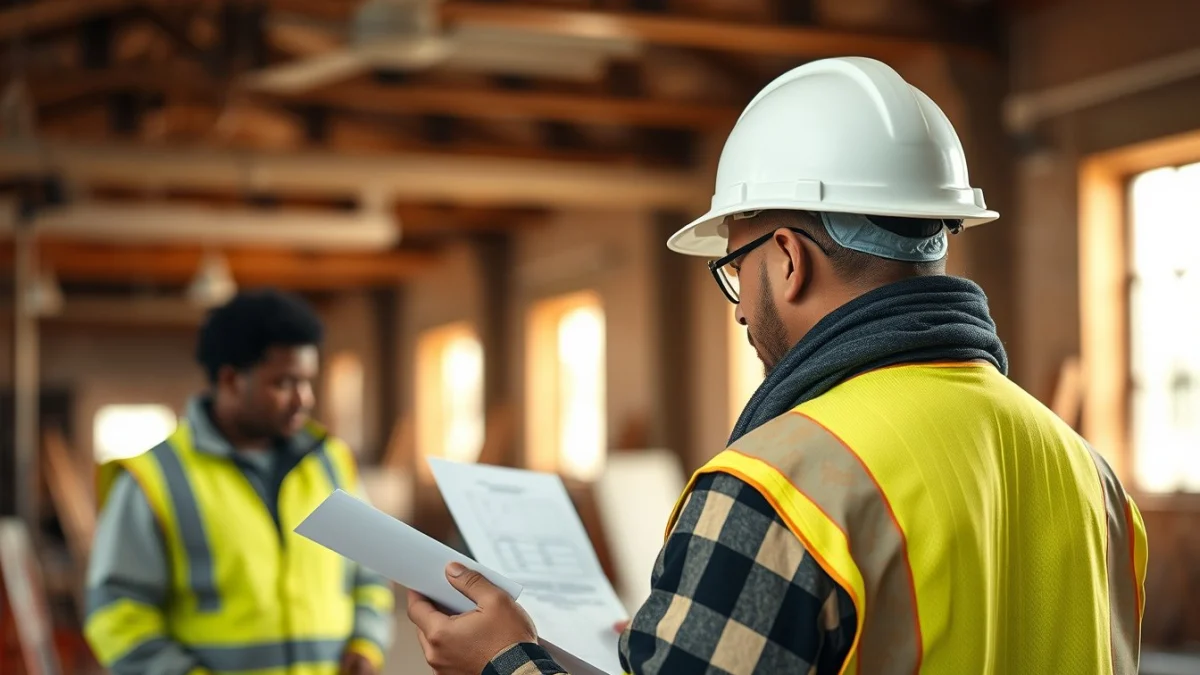
When you enter a site, always look for potential hazards such as unstable scaffolding, exposed electrical wiring, poor lighting, or unsafe work practices. Your main goal is to spot anything that could cause harm and act quickly to prevent accidents.
Steps to Follow When Responding to Hazards During Inspection
- Stop and assess: When you see a hazard, stop work in the affected area if needed. Assess what the danger is and how serious it could be.
- Report immediately: Inform the site supervisor or safety officer about the hazard. Use clear language and provide details about where and what the hazard is.
- Mark or isolate the hazard: Use safety signs, barriers, or tape to warn workers and keep them away from the danger zone.
- Follow safety procedures: Ensure that the correct safety procedures are followed to fix or remove the hazard. This might include shutting off power, repairing equipment, or cleaning spills.
- Document the incident: Record what you found, how you responded, and any actions taken. This helps if the issue arises again and keeps a record for health and safety audits.
- Monitor the area: After the hazard is fixed, check regularly to make sure it does not return and the site remains safe.
Responding to hazards during inspection is not just about identifying dangers but also about communication and teamwork. Always work with other staff on site to solve problems quickly. If you don’t know what to do, ask a health and safety officer or your supervisor for guidance.
Remember, as a quality control inspector, your safety and the safety of others depend on staying alert and acting responsibly. Always wear the correct personal protective equipment (PPE) during inspections and follow all site safety rules.
By responding to hazards during inspection effectively, you help create a safer construction environment where quality work can progress without unnecessary risk.
Live Scenario • Active Situation
You are a Construction Quality Control Inspector performing a site inspection.
There is no single perfect answer. Choose what you would do in this situation.
