
Personal protective equipment requirements
Understanding Personal Protective Equipment Requirements on Construction Sites
Personal protective equipment requirements are essential for safety on any construction site. Construction Quality Control Inspectors must understand and follow these rules to protect themselves from hazards.
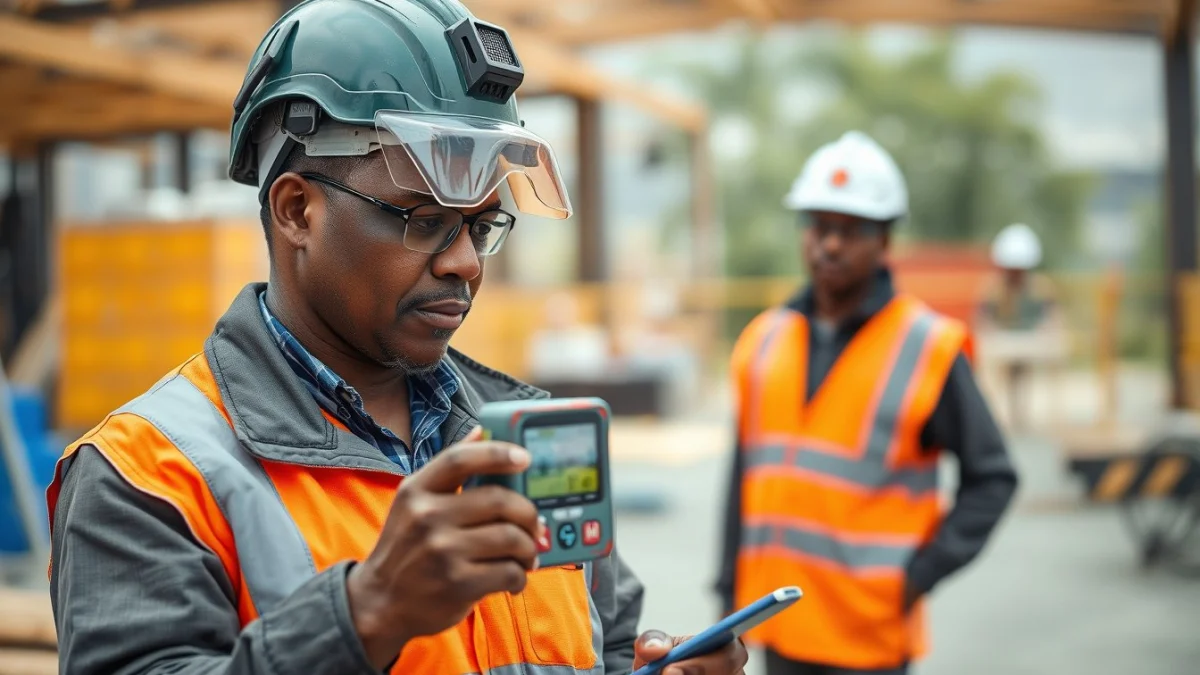
PPE stands for Personal Protective Equipment. It includes items that reduce risk during work, such as helmets, gloves, boots, and eye protection. Inspectors must always wear the correct PPE to stay safe while doing their job.
Each type of PPE is designed for specific dangers. For example, safety helmets protect against falling objects, while high-visibility vests ensure you can be seen by machine operators. Knowing which equipment to use is crucial.
Common Types of PPE for Inspectors
- Safety helmet: Prevents head injuries from falling debris or bumps.
- Safety boots: Protect feet from sharp objects and slipping.
- High-visibility vest: Makes you visible to drivers and machinery operators.
- Safety glasses or goggles: Protect eyes from dust, debris, and chemicals.
- Gloves: Protect hands from cuts, chemicals, or rough materials.
- Hearing protection: Earmuffs or plugs protect ears from loud noises on site.
Inspectors should check PPE before entering the site. Make sure all equipment fits well and is in good condition. Damaged or worn-out PPE must be replaced immediately.
Personal protective equipment requirements also mean wearing PPE at all times in designated zones. Do not enter hazardous areas without the right PPE. This rule helps prevent accidents and injuries.
Employers have a legal duty to provide PPE and train workers on its correct use. Inspectors should ensure they attend any safety training and understand PPE procedures. They must also report if fellow workers do not wear PPE.
Good practice includes storing PPE properly and cleaning it regularly. Dirty or blocked safety glasses, for example, reduce visibility and increase risk. Taking care of PPE increases its lifespan and effectiveness.
By strictly following personal protective equipment requirements, inspectors reduce the chance of injury and help maintain a safe construction environment. Safety is everyone’s responsibility, and PPE is the last line of defence against hazards.
Remember, never compromise on wearing the right PPE. It could save your life or prevent serious injury while inspecting construction sites.
Live Scenario • Active Situation
You are a Construction Quality Control Inspector arriving at a busy construction site for a morning inspection.
There is no single perfect answer. Choose what you would do in this situation.
