
Inspection of structural steel and welding
How to Inspect Structural Steel and Welding for Quality
Inspection of structural steel and welding is a crucial part of quality control in construction. It ensures that steel components are safe, strong, and built to last. Poor steel or welding can cause serious problems like weak structures or even collapse. This guide will help you understand what to check during inspections and why these checks matter.
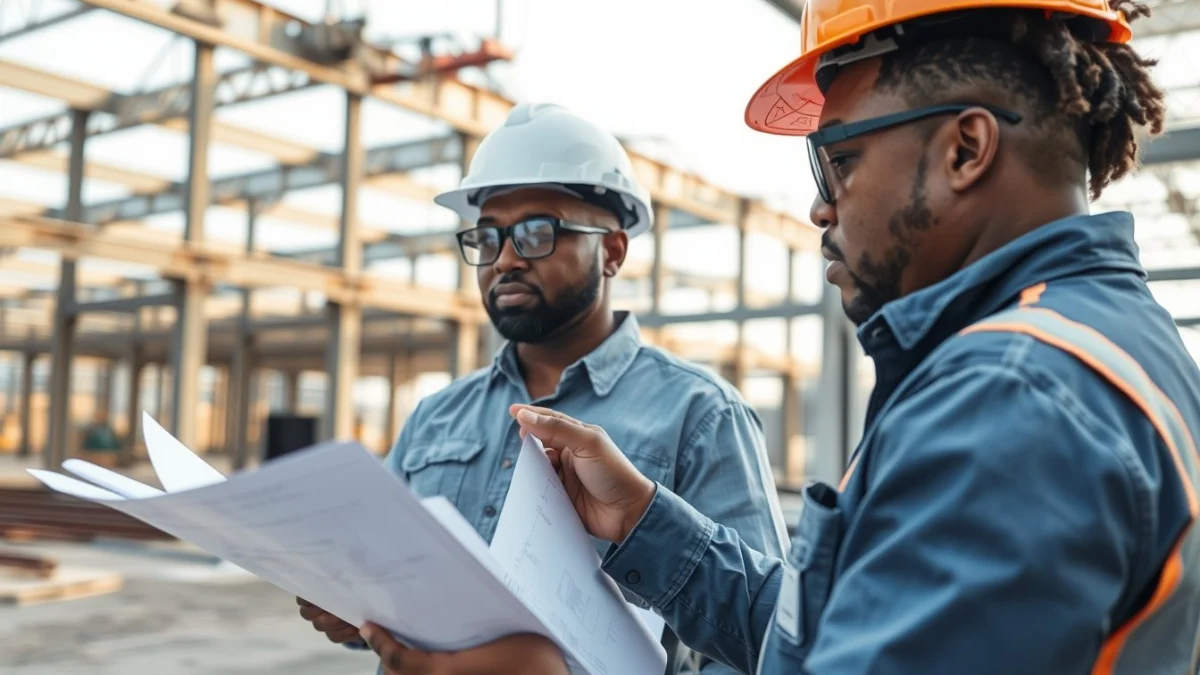
Structural steel is used in many parts of buildings, such as beams, columns, and trusses. Welding joins these steel parts together. Both the steel and the welds must meet standards set by South African construction regulations and industry codes.
Key Steps in Inspecting Structural Steel
- Visual Inspection: Check for visible defects like rust, cracks, dents, or bends in the steel. Make sure steel elements are straight and free from damage.
- Dimensions and Markings: Verify that the steel pieces match the project specifications. Check size, shape, and markings for correct grades and types.
- Surface Preparation: Ensure steel surfaces are clean, free of oil, mill scale, and dirt before painting or welding.
- Storage Inspection: Confirm that steel is stored properly to prevent corrosion or deformation. It should be off the ground and covered if needed.
- Documentation Review: Check certificates and test reports to confirm that the steel meets quality standards.
What to Check When Inspecting Welding
- Weld Appearance: Inspect weld beads for uniformity, size, and smoothness. Look for cracks, porosity, undercutting, or other defects.
- Weld Dimensions: Confirm that weld sizes and lengths meet specified drawings.
- Welding Procedures: Check that welders follow approved welding procedures and use correct welding methods.
- Non-Destructive Testing (NDT): Use methods like ultrasonic testing, magnetic particle testing, or dye penetrant testing to find hidden defects.
- Post-Weld Treatments: Ensure proper cooling, stress relief, or painting is done after welding to improve durability.
Good inspection of structural steel and welding protects the safety of the entire building. Inspectors play an important role to catch issues early before they become costly problems. Always follow local codes and project specifications to maintain high quality.
In summary, inspection involves careful checking of steel condition, welding quality, and related documents. Using visual checks and testing methods helps ensure structures are sound and durable. With the right inspections, construction teams can build with confidence and keep people safe.
Live Scenario • Active Situation
You are a Construction Quality Control Inspector responsible for inspecting structural steel and welding on a building site.
There is no single perfect answer. Choose what you would do in this situation.
