Conversion Rate Optimisation (CRO) for E-Commerce: What to Know First
Conversion Rate Optimisation (CRO) is about turning website visitors into customers. For anyone taking a Free E-Commerce Marketing Course with Certificate in South Africa, understanding CRO is key to making your online store profitable. Simply put, CRO improves your site so more people who visit actually buy something or take the action you want — be it signing up, enquiring, or downloading.
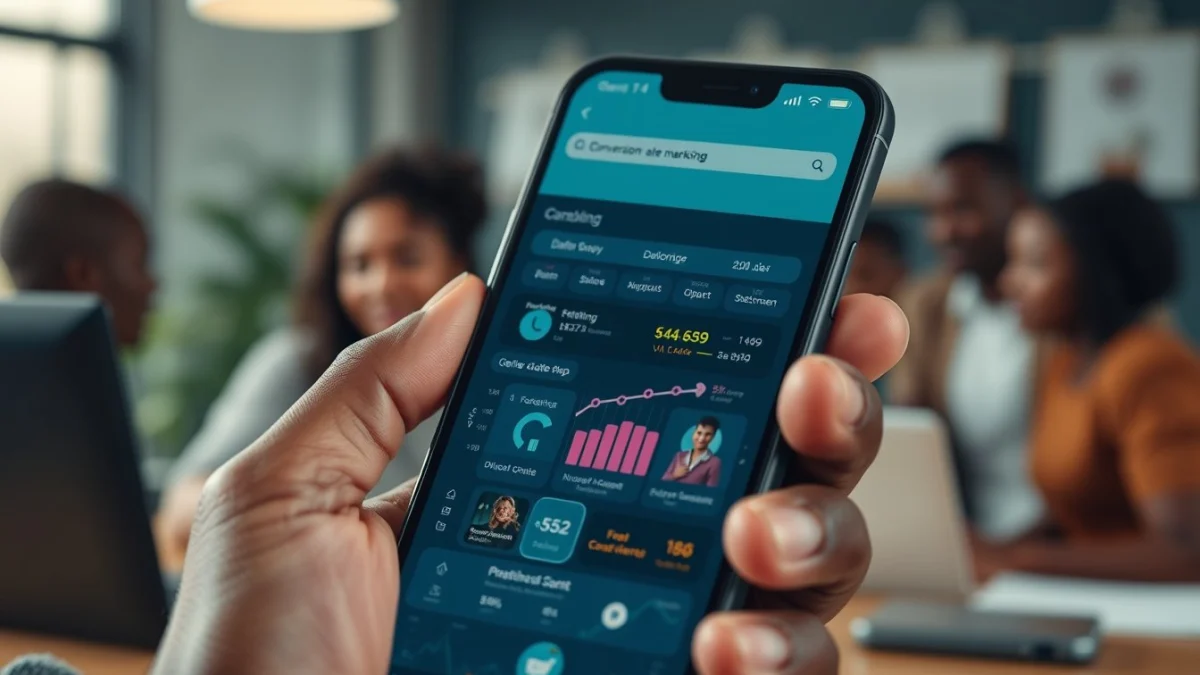
Many beginners jump straight to marketing ads or promotions, hoping more traffic will boost sales. But if your website isn’t converting well, that extra traffic only means more wasted spend and frustration. A common South African small business reality is spending weeks on campaigns but seeing little return because their store’s checkout process or product pages cause visitors to leave. CRO helps avoid this by fixing those leaks first.
What Conversion Rate Optimisation Means in Practice
CRO is the process of testing and improving different parts of your e-commerce site to increase the percentage of visitors who complete your goals. It’s not about guessing what works; it’s about using real data and simple experiments to see what changes make a difference.
Think of your online store as a sales funnel. The goal is to get users smoothly from landing on your site to clicking the buy button. CRO looks at every step in between: landing pages, product descriptions, images, checkout flows, even page load speeds. Each element can be tweaked and tested.
Why CRO Matters at Work and in South Africa
- Limited digital marketing budget: Many South African businesses or startups cannot blow big budgets on ads. They must get the most out of current traffic with CRO.
- Mobile-first shoppers: Since many local customers shop on phones, CRO often means improving mobile navigation and speed.
- Building trust: Concerns about payment security or delivery delays make first-time buyers hesitant. CRO helps by simplifying trust signals, like clear return policies and customer feedback.
Without CRO, even with a great product and steady visits, your business might struggle to grow. It’s the difference between visitors just browsing and actually purchasing.
Key Parts of Conversion Rate Optimisation
CRO isn’t a single fix. It covers several parts of your online marketing and store design:
1. Clear and Relevant Call-to-Action (CTA)
CTAs like “Buy Now” or “Add to Cart” must be obvious and compelling. If they’re hidden or confusing, people won’t click.
2. User-Friendly Store Design
A cluttered site or complicated checkout will lose customers fast. CRO improves this by simplifying menus, reducing steps to buy, and using readable fonts.
3. Product Page Optimization
High-quality images, clear descriptions, price info, and customer reviews help buyers decide faster. Poor product pages are a common roadblock to conversion.
4. Fast Loading Speed
Slow pages drive people away. CRO tools can track load times and suggest improvements. This is especially important where internet connections may be slower, like in some South African regions.
5. Mobile Optimization
With many users shopping on mobile, your site needs to look good and work smoothly on smartphones and tablets.
6. Trust Signals
Security badges, easy return policies, and transparent delivery times reassure buyers. Missing these can kill conversion rates.
7. Testing and Analytics
CRO depends on measuring the right data and testing changes rigorously with tools like Google Analytics and A/B tests. Guesswork will often miss the real blockers.
A Practical South African Workplace Example
Imagine a local clothing brand starting an online store. They’ve launched ads but see only 1% of visitors buy anything. The owner attends a free online e-commerce marketing course with certificate South Africa that covers CRO basics.
They learn to review the store and find their checkout requires creating an account before purchase. Customers drop out here. By changing to a guest checkout and improving product images and descriptions, conversions jump to 3%. Then they test call-to-action button colours, making them brighter and more clickable, pushing sales to 4.5%. This step-by-step CRO work directly impacts revenue without spending on extra ads.
Common Misunderstandings About CRO
Misconception 1: Just get more traffic and sales will follow. Traffic is important but if your conversion rate is low, more visitors won’t help much.
Misconception 2: CRO is a one-time fix. CRO is ongoing. Market trends, customer behaviour, and tech change. Continuous tweaks keep your store effective.
Misconception 3: CRO means complicated tech or costly tools. Many useful CRO methods rely on simple changes and basic free tools — no expensive software needed upfront.
Advice for Beginners Starting with CRO
- Start by tracking your current conversion rate. Know your baseline before changes.
- Focus on the biggest drop-off points. Check where visitors leave — product pages, cart, or checkout.
- Make one change at a time and measure its impact.
- Use data but trust your users. Sometimes simple customer feedback reveals usability problems faster than analytics alone.
- Test your site on mobiles, slow connections, and different browsers.