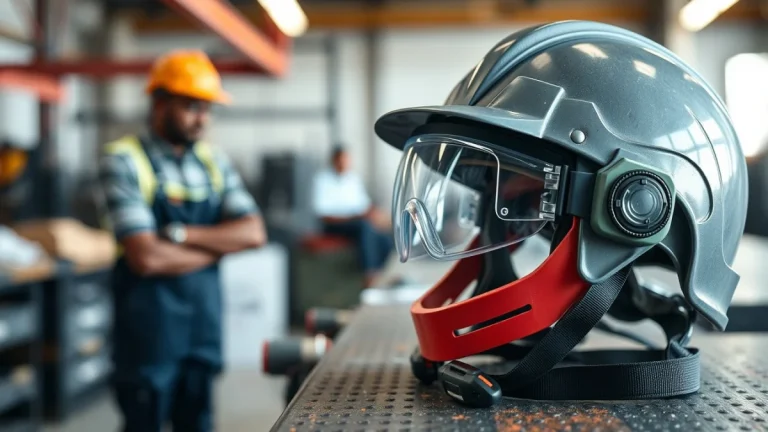
Common Safety Hazards Found During Workplace Inspections
If you’re looking for a Free Safety Inspection Fundamentals Course with Certificate in South Africa, understanding common safety hazards encountered on site is a key step. During workplace inspections, spotting hazards fast and accurately can prevent accidents before they happen. This means workers stay safer and companies avoid costly interruptions or penalties.
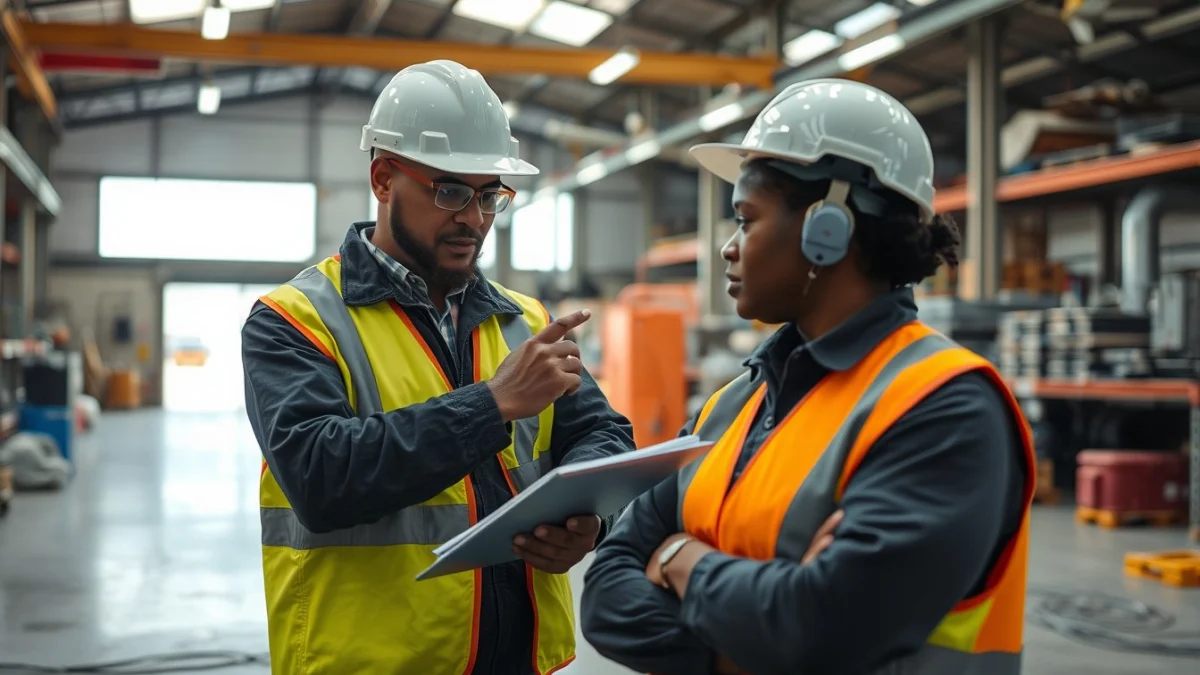
Many beginners assume safety hazards are always obvious or easy to spot. But in reality, some risks hide in plain sight or appear only under certain conditions, like wet floors or faulty wiring that only shows up after heavy use. Knowing what to look for—and where—makes inspections more effective and less stressful. It’s a skill built over time, with practical tools and clear checklists.
What You Need to Know First About Workplace Safety Hazards
Workplace hazards are anything that can cause harm to people, property, or the environment during daily operations. For inspectors, identifying these hazards means pinpointing unsafe conditions before they result in injury or damage.
The most common hazard types include physical, chemical, biological, ergonomic, and psychosocial risks. A typical South African factory or construction site might have slippery floors, exposed electrical wires, heavy machinery without guards, dust exposure, or high noise levels. All these require different checks and controls.
Safety inspections aren’t just about ticking boxes. They demand careful observation, worker interviews, and sometimes testing equipment or materials directly. For example, a floor may look clean but become dangerously slippery when wet. Inspectors need to notice such details and look beyond the obvious.
Common Safety Hazards You Will Find in South African Workplaces
- Slips, Trips, and Falls: Poor housekeeping, uneven surfaces, or cluttered walkways contribute heavily to workplace accidents.
- Electrical Hazards: Damaged wiring, overloaded sockets, and lack of maintenance can cause shocks or fires.
- Machinery Risks: Missing guards, poor lockout/tagout procedures, or operator inexperience increase injury chances.
- Chemical Exposure: Incorrect storage or handling of substances can lead to burns, poisoning, or respiratory issues.
- Noise and Vibration: Prolonged exposure without ear protection affects hearing and overall health.
- Ergonomic Hazards: Poor workstation design, repetitive motion, or heavy lifting cause musculoskeletal disorders.
- Fire Risks: Blocked fire exits, expired extinguishers, or unsafe storage of flammables require urgent fixes.
Overlooked Insight: Hidden or Intermittent Hazards
A practical insight beginners often miss is that many hazards are not constant. For instance, a tool that overheats during use or a chemical spill that only appears after a leak. Regular inspections should always consider such changing conditions, not just what is visible when the inspector arrives.
Why Spotting These Hazards Early Matters in South African Workplaces
For workers on a crowded factory floor or in construction zones, hazards are a pressing daily concern. Employers bear legal duties under South African health and safety laws to provide a safe environment. Failing to catch hazards early can lead to injuries, production stoppages, or penalties.
Behind the scenes, inspectors often work under time pressure to cover large sites. Missing an obvious hazard like a blocked fire exit or defective safety equipment isn’t just a bad oversight—it can have serious consequences. Taking time to prepare, use detailed checklists, and engage staff during inspections reduces these risks.
A Realistic Workplace Example
Consider a medium-sized warehouse in Gauteng. During an inspection, the team found several pallets stacked unsafely near emergency exit doors. The clutter wasn’t visible until some boxes shifted during regular operations, blocking the exit partially. This kind of hazard is common but not always noticed quickly.
Once identified, corrective actions included reorganising storage areas, retraining staff on safe stacking, and scheduling more frequent spot checks. This practical case shows why inspections must look beyond the obvious and include worker feedback.
Common Misunderstandings About Safety Hazards
- “If I don’t see a hazard, it’s not there.” Many risks are hidden or only become hazards during certain tasks or changes in conditions.
- “All hazards are dangerous immediately.” Some hazards lead to harm gradually or only after repeated exposure, so ongoing inspection matters.
- “It’s just about physical dangers.” Non-physical hazards like mental stress or poor ergonomics also affect safety and need checking.
- “One inspection covers everything.” Hazards can emerge any time, so regular, targeted inspections are vital.
Beginning Your Safety Inspection Journey
If you’re new to safety inspections, focus first on learning how to identify hazards accurately. Use detailed checklists tailored to your workplace, and don’t hesitate to ask experienced colleagues for guidance.
Remember: inspection is a skill, not guesswork. Taking notes, reviewing previous reports, and following up on known risks build confidence and improve safety over time.