Quick Answer
Beginners often make cleaning mistakes like using the wrong chemicals, ignoring personal protective equipment (PPE), or skipping steps that affect hygiene. Avoiding these errors is important for safe, effective cleaning, especially in South African workplaces. Learning cleaning skills through a beginner course can help you build confidence and work professionally.
Cleaning isn’t just wiping surfaces—it’s doing it correctly and safely. Many new cleaners in South Africa want simple guidance to avoid mistakes that can cause problems or accidents. This article covers common errors and practical tips to help you clean well from the start.
Why Beginners Often Make Cleaning Mistakes
Cleaning looks easy but requires some knowledge. Most mistakes happen because beginners don’t have enough training or experience. For example, not using the right PPE exposes you to harmful chemicals or germs. Others use bleach or chemicals on surfaces that can get damaged or don’t get properly disinfected.
Many new cleaners also rush through tasks, which leads to missed spots or poor sanitation. Poor time management and not knowing how to organise jobs properly can make cleaning stressful and ineffective.
In workplaces across South Africa, these mistakes can lead to unsafe conditions or unhappy employers. Learning how to avoid typical errors is a big step toward working confidently and safely.
Common Cleaning Mistakes and How to Avoid Them
Here are some of the most frequent mistakes beginners make and practical ways to fix them:
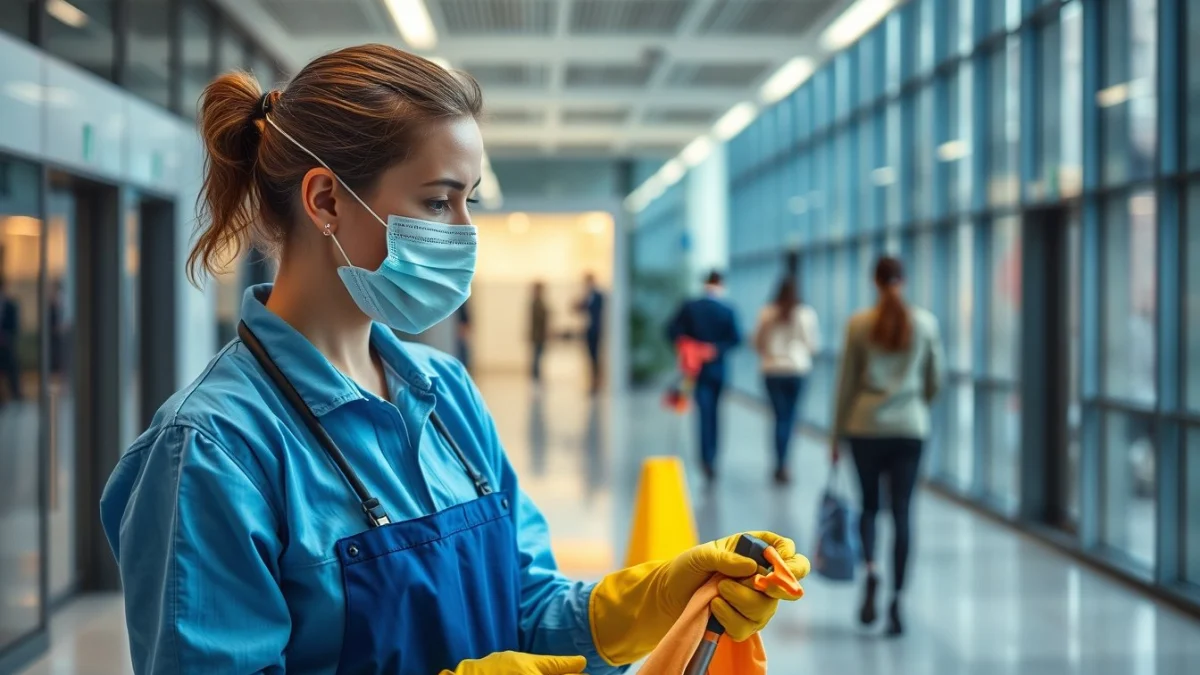
- Not wearing the right PPE: Always use gloves, masks, and goggles where needed to protect your skin, lungs, and eyes from chemicals and dust.
- Wrong chemical use: Read labels and follow instructions. Don’t mix chemicals, especially bleach with other products, because this can be dangerous.
- Using one cloth on many surfaces: This spreads germs instead of cleaning. Use separate cloths or change them often to avoid cross-contamination.
- Skipping important cleaning steps: Wiping isn’t enough. Disinfect high-touch areas properly and follow recommended techniques to get rid of germs.
- Poor cleaning tool care: Clean and store your equipment correctly after use so it lasts longer and works better next time.
- Bad waste management: Separate recyclables from general waste to keep the environment clean and follow workplace rubbish rules.
- Rushing and poor time management: Plan each task so you clean thoroughly without skipping parts or feeling overwhelmed.
How to Improve Your Cleaning Skills Fast
Start by joining an online cleaning course where you learn step-by-step cleaning basics, safety, and equipment use. Practise putting on PPE and handling chemicals properly under guidance or through videos.
Spend time getting to know your cleaning tools and how to maintain them. This helps you work faster and more professionally. Also, learn about disinfecting and infection control, which is very important in places like offices, hotels, and clinics.
Work on managing your tasks and time better. Use simple schedules or checklists to keep track of what needs cleaning and when. This reduces mistakes and makes your work less stressful.
By improving these skills, you’ll feel more confident and prepared, ready to take on different cleaning jobs safely.
Beginner’s Checklist to Avoid Cleaning Mistakes
Use this checklist as a daily guide to keep on track:
- Wear the right PPE before starting.
- Check chemical labels before use.
- Use cloths or mops for just one area or change them regularly.
- Disinfect high-touch points thoroughly.
- Dispose of waste correctly and separate recyclables.
- Clean and store equipment properly after use.
- Tell your supervisor about any equipment damage or hazards.
- Plan your time to avoid rushing and missing spots.
Following a checklist like this helps you build good habits and limits mistakes on the job.
If you want to learn more structured cleaning skills with quizzes and a certificate, check out this General Cleaner Certificate Course. It’s free and designed for beginners in South Africa.