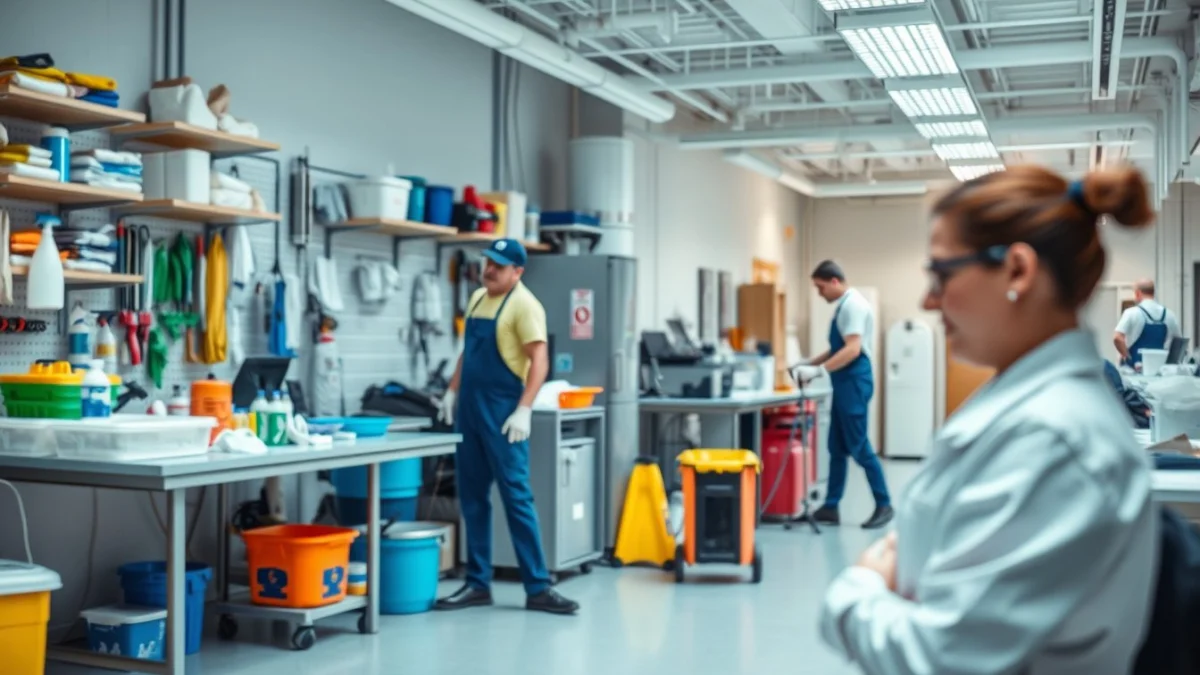
Quick Answer
The best cleaning techniques for workplace environments include knowing the right tools and chemicals, understanding different surfaces, and following clear step-by-step routines. This helps keep spaces hygienic, reduces germs, and supports a healthy work environment.
For people new to cleaning or looking to work professionally in South Africa, learning these basics makes cleaning easier and safer. It also builds confidence to meet employer expectations in offices, factories, or kitchens.
Why Good Cleaning Skills Matter in Workplaces
A clean workplace isn’t just about looks. It protects everyone from illness and helps people focus better on their jobs. Many South African workplaces expect cleaners to know how to safely remove dirt and germs without damaging surfaces or wasting products.
Learning how to clean properly also keeps you safe by making sure you use chemicals correctly and handle tools well. This reduces risks of accidents or injuries, which is especially important when working in busy or public spaces.
Understanding Different Surfaces and Areas
Workplaces have many types of surfaces like desks, floors, glass, and bathrooms. Each needs different cleaning methods. For example, desks and keyboards need gentle wiping with disinfectants safe for electronics, while floors require sweeping and mopping.
High-touch spots such as door handles, light switches, and handrails need regular disinfecting because germs spread quickly there. Knowing these details helps you clean smarter, not just harder.
Picking the Right Tools and Chemicals
Having the right cleaning tools makes your job faster and more effective. Basic tools include brooms, mops, dusters, vacuum cleaners, and microfiber cloths. Choose cleaning chemicals based on what surface you’re cleaning and what type of dirt or germs need removing.
Always check that products are safe to use and follow instructions carefully. Wearing personal protective equipment (PPE) like gloves and masks protects your skin and lungs from harmful chemicals.
Step-by-Step Cleaning for Common Areas
Desks and Workstations: Clear away paper and rubbish, dust with a microfiber cloth, then wipe with a disinfectant safe for screens and surfaces.
Floors: Sweep or vacuum to remove dirt. Mop using detergent and clean water, focusing extra on corners and busy spots where germs gather.
Bathrooms: Clean sinks, toilets, and tiles using disinfectants. Always use gloves and keep windows or exhaust fans on for airflow.
Windows and Glass: Use a glass cleaner and wipe carefully with a lint-free cloth to avoid streaks.
How to Sanitize and Disinfect Properly
Cleaning alone removes dirt, but sanitizing lowers germs to safer levels. Disinfecting kills even more germs, using stronger chemicals. High-touch areas should be disinfected daily or more if the area is busy.
Remember to let disinfectants stay on surfaces for the time the label says — usually a few minutes — so they work well. Skipping this step means germs could survive.
Common Cleaning Mistakes to Avoid
Even beginners can make cleaning less effective by:
- Using too much or too little chemical, leaving residue or missing germs.
- Not wearing gloves or masks, risking skin contact and breathing in chemicals.
- Cleaning in the wrong order such as mopping before dusting, which spreads dirt again.
- Failing to keep tools clean, which can spread germs instead of removing them.
Plan Your Cleaning with Checklists
Checklists help you stay on track and don’t forget tasks. A basic list might include dusting, vacuuming, mopping, emptying bins, sanitizing key surfaces, and restocking supplies.
Organizing work by priority and time makes sure everything gets done well, especially in large or busy places.
Getting Started: Learn Cleaning Online in South Africa
If you want to learn more about cleaning skills and get a certificate, check out the General Cleaner Certificate Course. It’s free, beginner-friendly, and covers tools, chemicals, safety, cleaning steps, and even customer service for cleaners across South Africa.