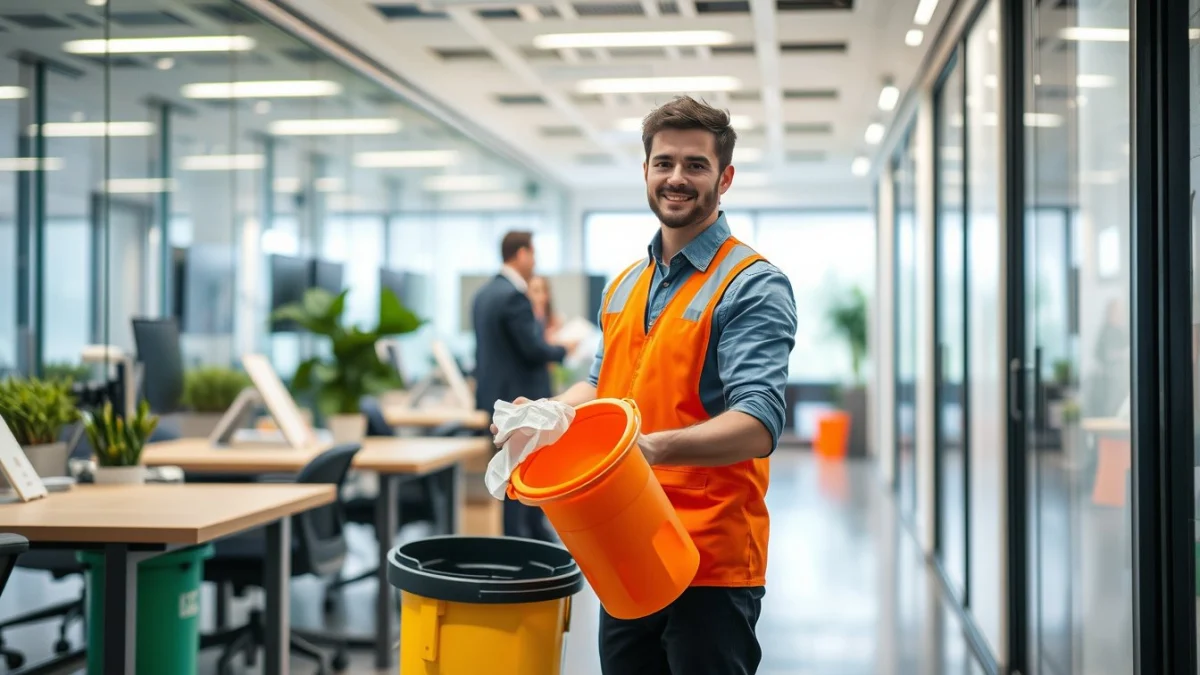
Understanding Waste Management and Recycling in the Workplace

Quick Answer

Waste management and recycling in the workplace involve proper sorting, disposal, and processing of waste materials to reduce environmental impact, promote hygiene, and support sustainability. For cleaners and facility staff, understanding these processes is essential for maintaining a clean and safe environment.

Understanding Waste Management and Recycling in the Workplace

Effective waste management and recycling in the workplace are crucial components of a good sanitation and hygiene strategy. Properly handling waste helps prevent pollution, promotes health and safety, and supports environmental sustainability. This knowledge is an important part of cleaning training and forms a key section in a professional cleaning course.

Waste management includes the collection, segregation, storage, and disposal of waste materials generated in the workplace. Recycling involves separating recyclable materials such as paper, plastics, and glass so they can be reprocessed and reused instead of ending up in landfills. Together, these practices reduce the environmental footprint of businesses and contribute to greener communities.

What is Waste Management in the Workplace?

Waste management covers all activities related to handling waste from its generation to its final disposal or recycling. It ensures that hazardous and non-hazardous waste is handled safely and complies with regulations. In a cleaning course online or janitorial training, learners are taught the importance of classifying waste correctly to avoid contamination and health risks.

In the workplace, different types of waste commonly found include general waste, recyclables, hazardous waste (such as cleaning chemicals), and organic waste. A housekeeping course or cleaning basics course stresses the need for designated bins and clear signage to facilitate correct waste separation.

Practical Steps for Waste Management and Recycling

To implement an effective waste management system, start by assessing the types of waste produced in your workplace. Classify waste into categories such as:

  • General waste
  • Recyclable materials (paper, cardboard, plastic, glass, metal)
  • Hazardous waste (cleaning chemicals, batteries)
  • Organic waste (food scraps)

Set up clearly marked bins for each category and place them strategically around the facility.

Next, establish a regular waste collection schedule to prevent overflow and maintain workplace hygiene. Train cleaning staff on proper sorting and handling procedures, ensuring they wear appropriate personal protective equipment (PPE) when dealing with hazardous or medical waste.

Benefits of Proper Waste Disposal and Recycling

Proper waste disposal minimizes environmental pollution and health risks associated with waste buildup and exposure to hazardous substances. Recycling conserves natural resources by reducing the need for raw materials extraction, and also lowers energy consumption in manufacturing processes.

Workplace cleaning skills training highlights that good waste practices create healthier, safer work environments and may also help businesses comply with local environmental laws.

Examples of Waste Management in Workplace Cleaning

A cleaning team following a workplace cleaning course online will learn how to:

  • Empty rubbish bins daily and replace liners without contaminating clean areas
  • Separate recyclables and deliver them to appropriate collection points
  • Handle chemical waste safely according to cleaning procedures and manufacturer instructions
  • Manage organic waste through composting or designated waste services if available

Common Mistakes to Avoid

  • Mixing hazardous waste with general waste, increasing health risks
  • Ignoring local recycling guidelines, contaminating recyclable materials
  • Not using gloves or masks when handling waste, risking contamination or injury
  • Failure to clean and sanitize waste bins regularly, causing odours and pests

Checklist for Cleaner Waste Management Practices

  • Are bins clearly labelled and colour-coded for different waste types?
  • Is waste collected frequently to avoid overflow?
  • Are cleaning staff trained in safe waste handling and PPE use?
  • Are hazardous wastes stored separately in secure containers?
  • Is recycling material clean, dry, and sorted correctly?
  • Are waste disposal and recycling procedures documented and followed?

Connecting Waste Management to Your Cleaning Career

Learning these skills through a free cleaner certificate course in South Africa can enhance your qualifications and improve your job readiness. Proper waste management and recycling knowledge form an essential part of commercial cleaning and sanitation courses. Whether you are a beginner starting cleaning training for workplace hygiene or seeking professional cleaning certification online, mastering these practices shows employers your commitment to workplace health and environmental care.

To gain comprehensive cleaning skills training, including waste management and sanitation, consider enrolling in EduCourse’s General Cleaner Certificate Course. This free online course with certificate helps you learn valuable skills step by step, building a solid foundation for a career in cleaning across various industries in South Africa.

Interested in deepening your cleaning expertise? Enrol in the General Cleaner Certificate Course at EduCourse today and start learning the essential skills to excel as a professional cleaner.

FAQs about Waste Management and Recycling in the Workplace

What types of waste should I separate in the workplace?
You should separate general waste, recyclables (paper, plastics, glass, metals), hazardous waste (cleaning chemicals, batteries), and organic waste (food scraps). Each type requires different handling and disposal methods.
Why is it important to recycle at work?
Recycling reduces landfill waste, conserves natural resources, lowers energy use, and supports environmental sustainability. It also promotes a cleaner and healthier workplace.
How can cleaners safely handle hazardous waste?
Cleaners must use personal protective equipment such as gloves and masks, follow safety guidelines for disposal, never mix hazardous waste with other waste, and ensure proper storage until collection. Training on chemical safety is essential.
Can I learn waste management skills through online cleaning courses?
Yes. Many free cleaner courses and cleaning certification courses online include modules on waste management, recycling, and sanitation best practices to prepare learners for real-world cleaning tasks.
EduCourse Learning Team

The EduCourse Learning Team creates practical, beginner-friendly online learning content designed to help individuals build real skills at their own pace. With a focus on accessibility and structured learning, the team develops guides and resources across areas such as Microsoft Office, data entry, and workplace skills.

Their goal is to make online learning simple, flexible, and useful for anyone starting their skills development journey.

Articles: 369

EduCourse Help

Find quick answers to common questions.

How to Register

To register on EduCourse:

  1. Go to the registration page:

    Register on EduCourse
  2. Enter your details (name, email, and password)
  3. Click Register / Sign Up
  4. Log in to your account

You can then enrol in any course and start learning immediately.

Was this helpful?
Thank you for your feedback.

How to Start a Course?

To start a course on EduCourse, you must first be logged in to your account.

  1. Go to the Browse Courses page:

    Browse EduCourse Courses
  2. Choose the course you want to study
  3. On the course page, click Take This Course
  4. After enrolling, start with Lesson 1

Some courses are open, so you may not see the Take This Course button. If that happens, simply start with Lesson 1.

Please make sure you are logged in so your course progress can be saved.

Was this helpful?
Thank you for your feedback.

Downloading Certificates

You must be logged in and finished a course. To download a certificate on EduCourse, you have two easy options.

  1. You can download it from the completed course page itself.
  2. You can also access your certificates by going to the menu, choosing Academic Records, and then selecting

    My Certificates
    .

To access your certificate, click the certificate icon.

On the certificate page, you can click the certificate preview to download it or scroll down and click Download PDF.

Was this helpful?
Thank you for your feedback.

How to Update Certificate Name?

To update your name on EduCourse, you must first be logged in to your account.

  1. Go to My Details from the menu.
  2. Edit your name in the profile section.
  3. Click Update to save your changes.

After updating your name, you can re-download your certificate with the corrected details.

Was this helpful?
Thank you for your feedback.

How to Verify a Certificate?

There are multiple ways to verify an EduCourse certificate.

1. Scan the QR Code

The easiest way to verify a certificate is to scan the QR code displayed on the certificate using your mobile device.


2. Verify Online

You can also verify a certificate online by visiting:


Verify Certificate

Enter either:

  • The user's South African I.D Number
  • Or the Certificate ID Number

The system will display matching certificate records if available.

Was this helpful?
Thank you for your feedback.