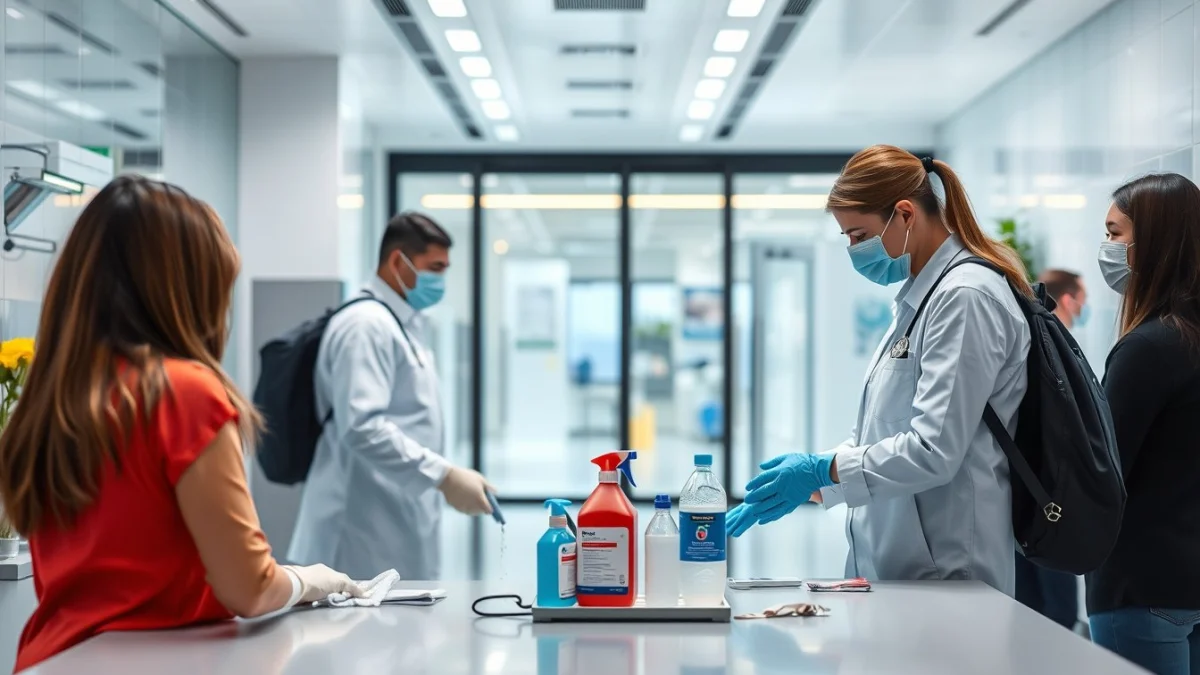
How to Use Cleaning Chemicals Safely

Quick Answer

Using cleaning chemicals safely means understanding the types of chemicals you work with, following proper handling instructions, wearing the correct personal protective equipment (PPE), and storing chemicals correctly to prevent accidents or health risks. This knowledge is essential for effective and safe cleaning in any workplace or home environment.

How to Use Cleaning Chemicals Safely

Learning how to use cleaning chemicals safely is crucial for anyone working in cleaning roles, whether at home or in commercial environments. Safe chemical handling protects you, others around you, and the environment. If you want to learn cleaning skills step by step, focusing on chemical safety is one of the most important parts of any cleaning course online or physical training.

Understanding the risks associated with cleaning chemicals will help you work confidently and avoid accidents. From bleach to disinfectants and detergents, these substances have different properties and require specific precautions. A free cleaner certificate course in South Africa often includes modules on cleaning chemicals and agents to equip learners with this essential knowledge.

Types of Cleaning Chemicals and Their Risks

Cleaning chemicals vary in strength and purpose. Common types include detergents, disinfectants, solvents, and degreasers. Each has different chemical properties that can affect health and safety. For example, bleach is a strong disinfectant but can irritate skin and eyes or create harmful fumes if mixed with other chemicals like ammonia.

Always read chemical labels carefully. These contain safety instructions, hazard warnings, and first aid advice. Understanding symbols like the corrosive or toxic icons helps you identify the risks before you begin. For beginners, training in chemical labels is critical to avoid common mistakes like mixing incompatible chemicals or using products in poorly ventilated areas.

Practical Steps for Safe Handling of Cleaning Chemicals

To use cleaning chemicals safely, start by preparing your workspace. Ensure good ventilation to reduce inhaling fumes, and clean up any spills immediately. Always wear appropriate PPE, including gloves, masks, eye protection, and sometimes aprons, depending on the chemical strength.

Measure chemicals exactly as instructed instead of guessing or using more than needed. Overuse not only wastes product but increases risks of skin irritation or respiratory problems. Use the correct tools like measuring cups and always dilute chemicals properly when required.

Store chemicals in their original containers with labels intact. Never transfer them to unmarked bottles, which can cause confusion and dangerous misuse. Keep chemicals out of reach of children and pets, and store flammables away from heat sources.

Examples and Checklists for Safe Chemical Use

Here is a simple checklist to follow when working with cleaning chemicals:

  • Read the label and safety data sheet (SDS) before use.
  • Wear appropriate PPE such as gloves and masks.
  • Use chemicals in well-ventilated areas.
  • Measure and dilute chemicals correctly.
  • Never mix chemicals unless the label says it’s safe.
  • Store chemicals in original containers with clear labels.
  • Dispose of chemical waste according to your workplace or local guidelines.

Common mistakes include mixing bleach and ammonia, neglecting PPE, and storing chemicals unsafely. These errors can lead to toxic fumes, burns, or environmental damage. Always follow procedures strictly to stay safe.

Additional Safety Tips and Best Practices

Before you start cleaning, review the cleaning procedures course guidelines, especially for workplaces or commercial sites requiring strict sanitation. Use only approved chemicals for specific tasks, and be aware of any allergies or sensitivities you or others might have.

When handling chemicals outdoors or in large buildings, ensure disposal waste is managed properly by following principles taught in waste management training. This protects not just the workplace but also the wider environment.

In case of exposure to chemicals, such as skin contact or inhaling fumes, rinse the affected area immediately with plenty of water and seek medical help if symptoms persist. Knowing first aid related to chemical exposure is an important part of cleaning safety training.

Linking Chemical Safety with Professional Cleaning Skills

Safe chemical use is only part of learning cleaning skills online free or as part of a professional cleaning course. Combining this knowledge with cleaning tools, techniques, and sanitation practices makes you a competent cleaner ready for workplace cleaning jobs.

If you want to build your cleaning skills safely and effectively, consider enrolling in a free cleaner course that includes chemical safety modules, such as the General Cleaner Certificate Course. This course guides beginners and job seekers through cleaning basics, safety, and customer service skills, setting you up for success in the cleaning industry across South Africa.

Frequently Asked Questions

What personal protective equipment (PPE) should I use when handling cleaning chemicals?
Use gloves, safety goggles, masks, and aprons to protect your skin, eyes, and respiratory system according to the chemical hazards. Always check the chemical label for specific PPE requirements.
Can I mix different cleaning chemicals to make cleaning easier?
No. Mixing chemicals like bleach and ammonia or acids can create toxic gases that are dangerous to breathe. Always follow product instructions and never mix unless explicitly stated as safe.
How should I store cleaning chemicals at home or work?
Store chemicals in original containers with labels intact, away from direct sunlight, heat, and out of reach of children and pets. Separate strong chemicals like bleach from flammables and acids.
What should I do if I accidentally spill cleaning chemicals?
Wear PPE to clean the spill immediately. Use absorbent materials like cloth or paper towels and dispose of waste according to safety guidelines. Increase ventilation and avoid direct contact with skin.
EduCourse Learning Team

The EduCourse Learning Team creates practical, beginner-friendly online learning content designed to help individuals build real skills at their own pace. With a focus on accessibility and structured learning, the team develops guides and resources across areas such as Microsoft Office, data entry, and workplace skills.

Their goal is to make online learning simple, flexible, and useful for anyone starting their skills development journey.

Articles: 369

EduCourse Help

Find quick answers to common questions.

How to Register

To register on EduCourse:

  1. Go to the registration page:

    Register on EduCourse
  2. Enter your details (name, email, and password)
  3. Click Register / Sign Up
  4. Log in to your account

You can then enrol in any course and start learning immediately.

Was this helpful?
Thank you for your feedback.

How to Start a Course?

To start a course on EduCourse, you must first be logged in to your account.

  1. Go to the Browse Courses page:

    Browse EduCourse Courses
  2. Choose the course you want to study
  3. On the course page, click Take This Course
  4. After enrolling, start with Lesson 1

Some courses are open, so you may not see the Take This Course button. If that happens, simply start with Lesson 1.

Please make sure you are logged in so your course progress can be saved.

Was this helpful?
Thank you for your feedback.

Downloading Certificates

You must be logged in and finished a course. To download a certificate on EduCourse, you have two easy options.

  1. You can download it from the completed course page itself.
  2. You can also access your certificates by going to the menu, choosing Academic Records, and then selecting

    My Certificates
    .

To access your certificate, click the certificate icon.

On the certificate page, you can click the certificate preview to download it or scroll down and click Download PDF.

Was this helpful?
Thank you for your feedback.

How to Update Certificate Name?

To update your name on EduCourse, you must first be logged in to your account.

  1. Go to My Details from the menu.
  2. Edit your name in the profile section.
  3. Click Update to save your changes.

After updating your name, you can re-download your certificate with the corrected details.

Was this helpful?
Thank you for your feedback.

How to Verify a Certificate?

There are multiple ways to verify an EduCourse certificate.

1. Scan the QR Code

The easiest way to verify a certificate is to scan the QR code displayed on the certificate using your mobile device.


2. Verify Online

You can also verify a certificate online by visiting:


Verify Certificate

Enter either:

  • The user's South African I.D Number
  • Or the Certificate ID Number

The system will display matching certificate records if available.

Was this helpful?
Thank you for your feedback.