
Types of Retail Spaces and Their Merchandising Needs
Understanding Different Retail Spaces and How to Merchandising Them
Types of Retail Spaces and Their Merchandising Needs are important to know for any visual merchandiser. Different retail spaces require unique approaches to display products and attract customers. Knowing these differences helps you create effective layouts that boost sales and improve the shopping experience.
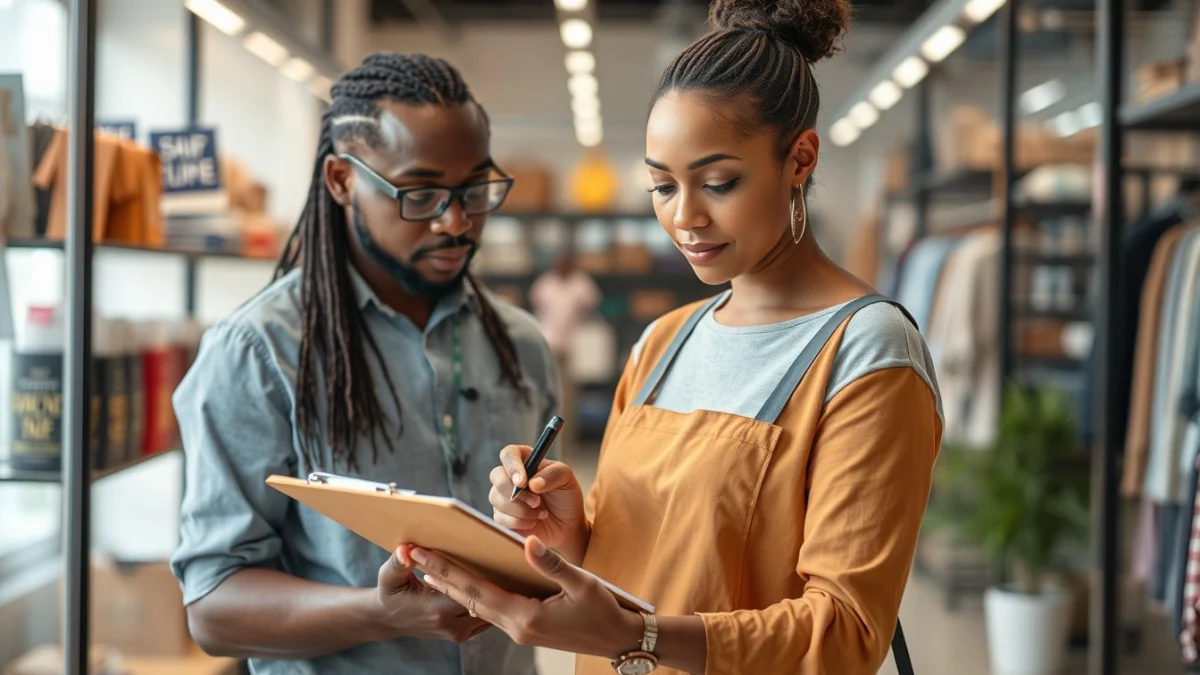
First, let’s look at common retail spaces found in South Africa:
- Shopping Malls: These are large indoor spaces with many stores. They attract a lot of foot traffic. Displays need to be eye-catching from a distance to grab attention.
- High Street Shops: Located on busy streets, these shops depend on window displays to pull people inside. They need clear, focused displays that tell a quick story.
- Supermarkets: Large floor areas with fast-moving products. Merchandising here focuses on easy access, clear signs, and organised shelves to help quick shopping.
- Specialty Stores: These sell specific product types like clothing or electronics. Displays should highlight product features and trends to appeal to target customers.
- Pop-up Shops and Market Stalls: Temporary spaces that need flexible, simple setups. Displays must be portable but attractive enough to create interest quickly.
Main merchandising needs by retail space type:
- Space Use: In malls and supermarkets, use every square metre efficiently. High street shops have smaller areas, so focus on neat, uncluttered displays.
- Lighting: Malls often have poor lighting, so add bright spotlights to highlight products. High street shops depend on natural light, meaning displays must look good in daylight.
- Product Placement: Popular items should be easy to find. Supermarkets group similar products, while specialty stores arrange by style or brand for easier choice.
- Signage and Branding: Clear signs help customers navigate. Use bold, simple messages in supermarkets and malls. Specialty stores use stylish signs to reflect brand image.
- Customer Flow: Merchandising must guide shoppers through space smoothly. Use displays to create paths in big stores, and to invite window shoppers inside high street shops.
- Seasonal Displays: Important for all spaces. Malls and pop-ups often change displays quickly for sales or holidays, while specialty stores adjust styles per season.
When designing merchandising for each retail space, keep the shopper’s needs in mind. For example, busy shoppers want speed and easy choices, so keep displays clear and products accessible. Window displays should tell stories or show new trends to intrigue passersby. Large spaces like malls benefit from bold, large scale visuals that draw customers across the floor.
Remember that merchandising is not only about making a space look good. It also affects how customers shop and buy. By adapting your display style to the types of retail spaces and their merchandising needs, you help stores increase visibility, guide customers, and improve sales.
In summary, each retail space needs a different merchandising approach depending on size, location, and customer behaviour. Learning these differences is key for visual merchandisers working in South Africa to create strong, effective displays that work well in all environments.
Live Scenario • Active Situation
You are a visual merchandiser tasked with setting up displays in a busy shopping mall space in Johannesburg.
There is no single perfect answer. Choose what you would do in this situation.
