
Understanding Shopper Behaviour and Preferences
How to Study What Customers Want and How They Shop
Understanding shopper behaviour and preferences is very important for visual merchandisers. It means knowing what customers like, how they make choices, and what affects their shopping decisions. This helps you arrange products and design displays that attract more buyers and improve sales.
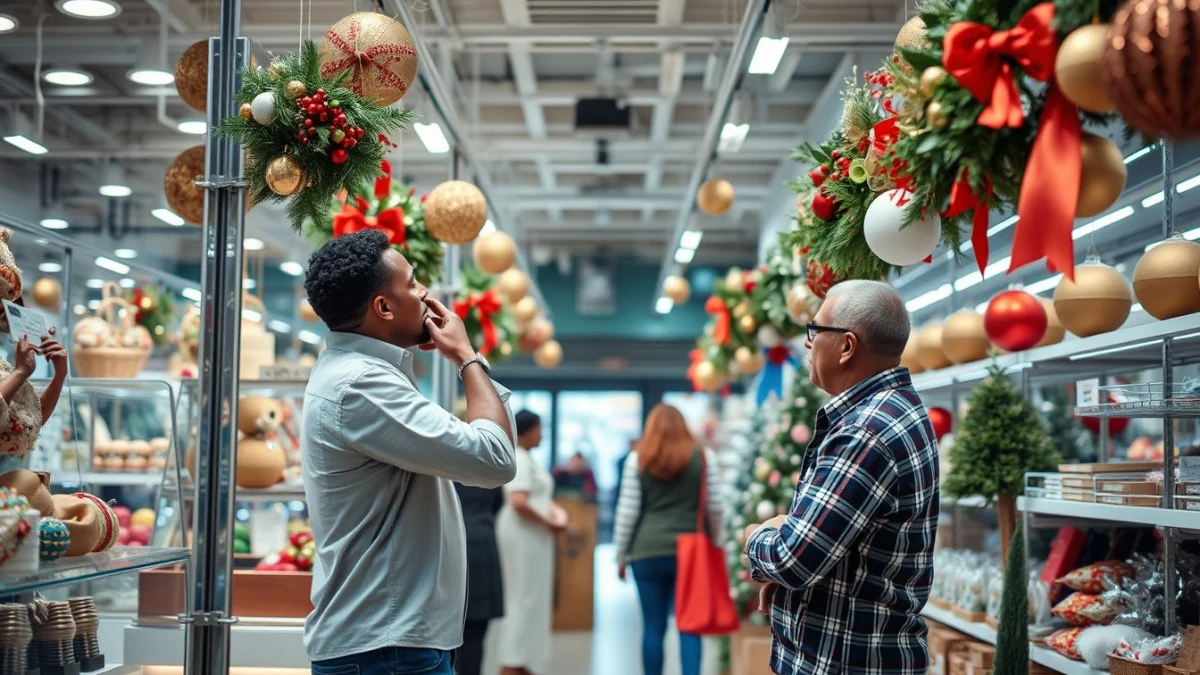
Shoppers do not just buy items by chance. They follow patterns influenced by many factors, such as emotions, needs, culture, and surroundings. When you understand these, you can create displays that speak directly to the customers’ wants and needs.
Key Factors Influencing Shopper Behaviour
- Needs and Wants: Shoppers look for products that solve problems or satisfy desires.
- Emotions: Feelings like happiness or curiosity can make people buy more.
- Social Influence: Friends, family, and trends affect what customers choose.
- Environment: Store layout, lighting, and music can guide how people move and shop.
- Pricing and Promotions: Discounts or deals attract price-sensitive buyers.
By using this knowledge, visual merchandisers can create displays that catch attention and encourage customers to explore and buy products. For example, using bright colours and clear signs can draw people to new items.
Pay attention to how customers behave in your store. Notice which areas attract most visitors and what products get picked up often. This will help you understand what customers prefer and need.
Understanding shopper behaviour and preferences also involves paying attention to different customer groups. For example, young people might prefer trendy and colourful displays, while older customers may look for clarity and simplicity.
Always keep learning about new shopping habits. Technology, social media, and changing lifestyles affect how people shop. Staying updated helps you adjust your visual merchandising strategies to meet new preferences.
In summary, by understanding shopper behaviour and preferences, you can design better product presentations. This makes customers feel welcomed and understood, which leads to better sales and happy shoppers.
Live Scenario • Active Situation
You are a visual merchandiser at a busy retail store, tasked with improving product displays to increase sales.
There is no single perfect answer. Choose what you would do in this situation.
