
The Role of Texture and Materials in Displays
How Texture and Materials Shape Visual Displays
The role of texture and materials in displays is very important in visual merchandising. These elements help create interest and attract customers by making a display look and feel more real and inviting.
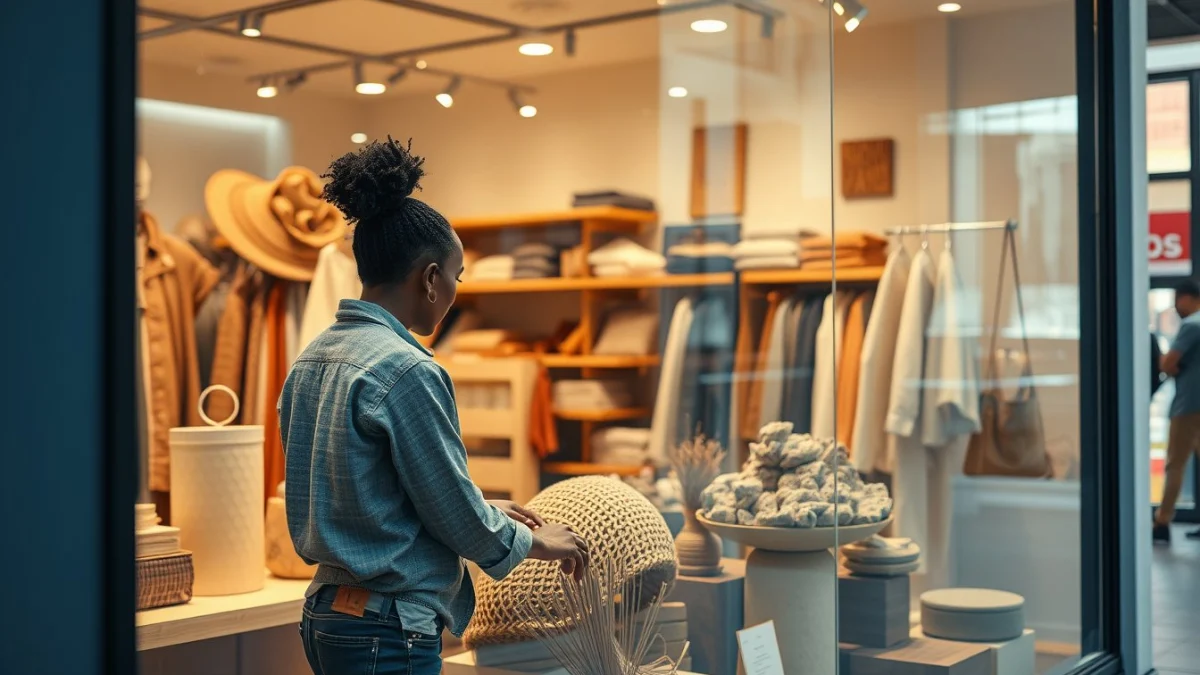
Texture refers to the surface quality of an item. It can be smooth, rough, soft, hard, shiny, or matte. Materials are what the display and products are made from, such as wood, metal, fabric, glass, or plastic. Both texture and materials influence how customers see and touch products, which affects their buying choice.
Using different textures in a display can do several things:
- Grab attention – Rough or shiny surfaces stand out and make people stop and look.
- Create contrast – Mixing smooth and rough textures makes a display more exciting.
- Enhance product appeal – Soft textures can make products look comfortable, like clothes or cushions.
- Suggest quality – Natural materials like wood or leather often make products seem better and more valuable.
Materials also play a key role because they set the style and mood of a display. For example, metal and glass give a modern, clean feeling, while wood and fabric create a warm, natural vibe. Choosing the right materials helps match the brand’s identity and the story you want to tell with the products.
When planning a display, consider these practical tips about texture and materials:
- Mix textures carefully – too many textures can look messy, so balance them well.
- Pick materials that suit the season – soft fabrics for winter, light fabrics for summer.
- Use textures to guide the customer’s eyes – rough or shiny materials can focus attention on key products.
- Ensure materials are durable – displays should look good for the time they will be in the store.
Touch is a powerful sense in shopping. When materials invite customers to touch products, it creates an emotional connection. For example, a soft scarf on display can invite a customer to pick it up and feel the fabric, increasing the chance of buying.
Finally, texture and materials help tell a visual story. A nature-themed display might use wood, stone, and natural fabrics, while a high-tech theme might use metal and glass. This story helps customers quickly understand what the brand or product is about.
In summary, the role of texture and materials in displays is to attract attention, create mood, and help customers connect with products. Good use of these design elements makes displays more effective and increases sales.
Live Scenario • Active Situation
You are a visual merchandiser setting up a new store window display to launch a high-end home décor line.
There is no single perfect answer. Choose what you would do in this situation.
