
Stock Identification and Labelling Basics
How to Identify and Label Stock Correctly
Stock Identification and Labelling Basics are important skills for anyone working as a stock clerk. These skills help you keep track of all stock items in a shop, warehouse or store. When stock is clearly identified and labelled, it is easier to find, count, and manage.
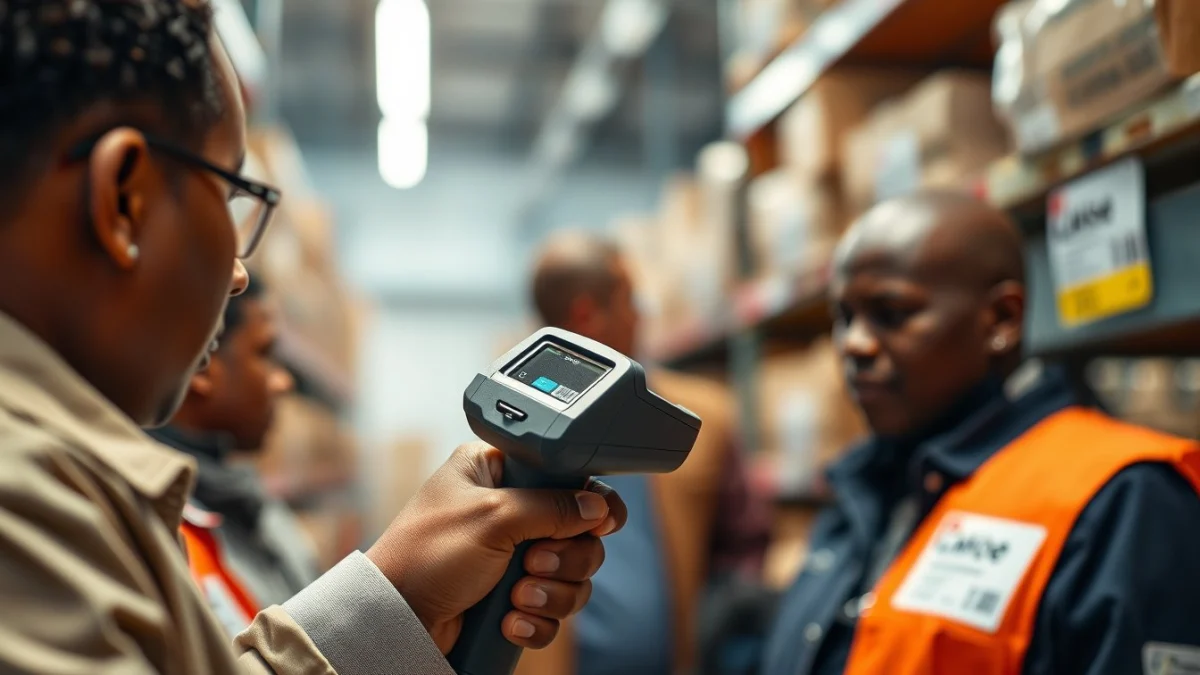
Stock identification means giving each item a unique code or name. This code lets you quickly tell one product from another. Labelling means attaching a visible label to the product or its packaging. This label usually has the item’s name, code, price, and sometimes other information like expiry date or size.
Here is why correct stock identification and labelling matter:
- Easy to find: Correct labels help you find stock faster during picking or counting.
- Reduces mistakes: Labels reduce errors by showing exact product details.
- Better stock control: Helps prevent overstocking or understocking.
- Quicker stock takes: Clear labels speed up physical stock counts.
- Improves customer service: Staff can find items quickly and give correct information.
Types of stock labels commonly used:
- Price Labels: Show the selling price, barcode and sometimes the product code.
- Barcode Labels: Include barcodes scanned for fast stock entry and sales checkouts.
- Expiry Date Labels: Used for perishable goods to keep stock fresh and safe.
- Description Labels: Contain product details like size, colour, and brand.
Follow these practical steps for good stock identification and labelling:
- Assign a unique code or number to each different stock item.
- Make sure labels are easy to read and securely attached.
- Use clear fonts and contrasting colours on labels.
- Place labels in easy-to-see spots on the product or packaging.
- Update labels when prices or stock details change.
- Train all staff on how to read and use stock labels correctly.
In South African shops and warehouses, using the right stock identification and labelling system helps keep stock organised and reduces losses. It also makes stock control simple and reliable. Remember, good labelling is the foundation of basic stock management and daily stocktaking tasks.
Live Scenario • Active Situation
You are a stock clerk responsible for identifying and labelling new deliveries in a busy warehouse.
There is no single perfect answer. Choose what you would do in this situation.
