
Introduction to Stock Control Systems
Understanding How Stock Control Systems Work
Introduction to Stock Control Systems is important for anyone working in stock management or retail in South Africa. Stock control systems help businesses keep track of their inventory. This means they know what items they have, how many are left, and when to order more. Good stock control prevents running out of products or having too much stock that takes up space and ties up money.
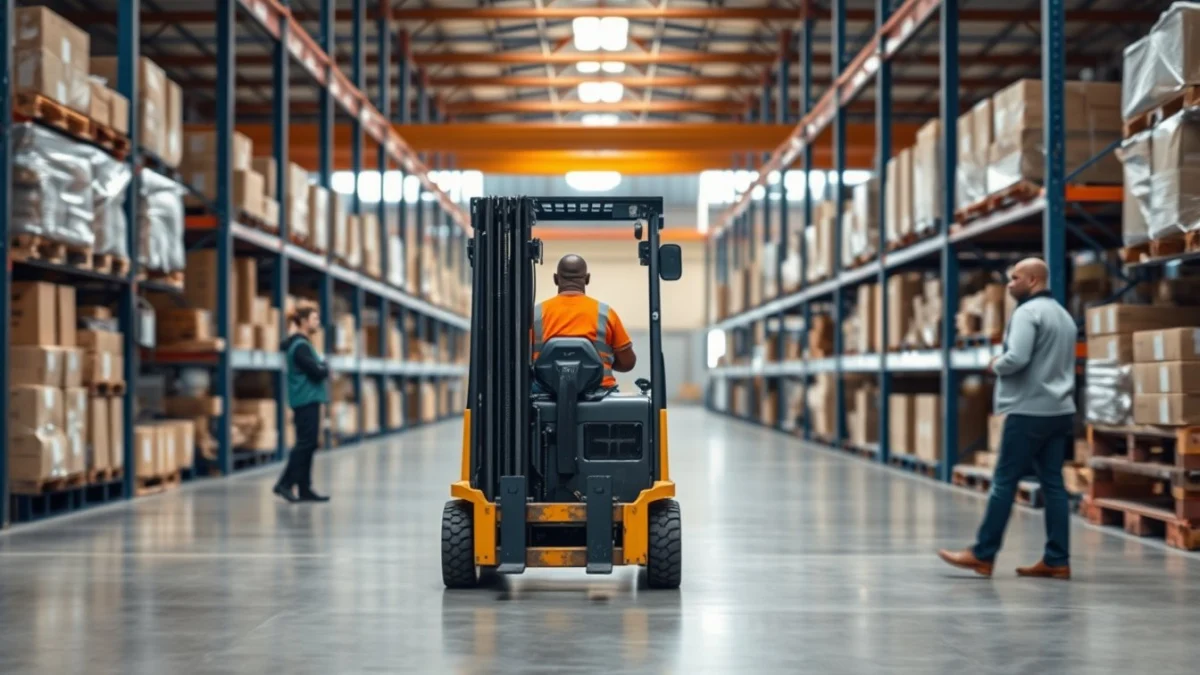
Stock control systems can be simple or advanced. Small businesses might use manual methods like stock sheets or cards. Larger businesses often use computerised systems that automatically update when stock is sold or received. Knowing the basics of these systems helps you manage stock more efficiently.
Main Benefits of Stock Control Systems
- Accurate Stock Levels: You always know what stock you have.
- Efficient Ordering: Systems help decide when and how much to reorder.
- Reduced Losses: Prevents theft and damage by tracking stock closely.
- Better Customer Service: Having the right products available keeps customers happy.
- Cost Savings: Avoids buying too much stock that sits unused.
There are different types of stock control systems used in South African businesses. Some common ones include:
- Manual Systems: Stock is recorded by hand on stock cards or sheets. It is simple but can lead to errors and takes time to update.
- Barcode Systems: Uses barcodes and scanners to quickly record stock movements. It improves accuracy and speeds up the process.
- Computerised Systems: Software programs track stock automatically. These are used by bigger businesses for detailed reporting and better control.
When starting with stock control, it is important to set up clear procedures. This includes regularly counting stock, updating records immediately when stock moves, and checking for mistakes. Training staff on how to use the stock system is also crucial.
In summary, the Introduction to Stock Control Systems teaches you how to keep stock organised and under control. Proper stock management is vital to reduce waste, save money, and provide good service. Whether a small shop or a large store, knowing how to use a stock control system improves daily operations and helps grow the business.
Live Scenario • Active Situation
You are a stock clerk at a busy retail store in Johannesburg that uses a barcode stock control system.
There is no single perfect answer. Choose what you would do in this situation.
