
Communication and reporting duties in SMS
Understanding Communication and Reporting Duties in SMS
Communication and reporting duties in SMS (Safety Management Systems) are essential for keeping everyone safe in the workplace. These duties ensure that information about safety risks, hazards, and incidents is shared correctly and on time. This helps prevent accidents and helps the organisation improve its safety measures.
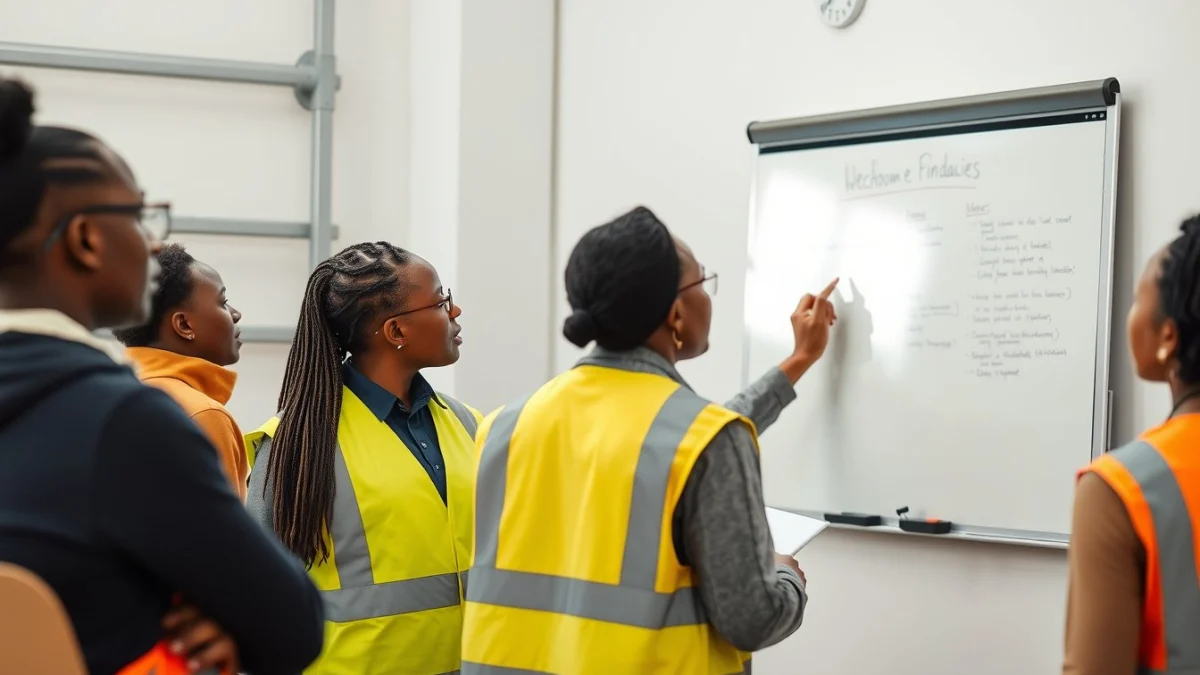
In SMS, communication means more than just talking. It includes sending reports, filling out forms, and sharing safety data. Reporting means telling the right people about any safety problems or incidents that happen. This information must be accurate and clear to help management make good decisions.
Everyone in an organisation, from top managers to workers, has communication and reporting duties in SMS. Some specific roles are given responsibility to receive reports from staff and act on them properly. These roles help keep a record of incidents and track if safety improvements are working.
Key Communication and Reporting Responsibilities
- Workers and Operators
Report unsafe conditions, hazards, or incidents immediately to supervisors or the safety officer. Communication should be clear and factual. - Supervisors
Collect reports from workers, verify facts, and pass them on to SMS managers. They also provide feedback to workers to ensure the problem is addressed. - Safety Officers
Analyse reports to identify trends or risks. They communicate the findings to management and safety committees to improve policies and procedures. - SMS Managers
Oversee all communication and reporting activities. They ensure that reports are submitted according to legal and company requirements. They also guide corrective actions and follow-up.
Clear communication prevents misunderstandings that can cause accidents. It is important to use simple, straightforward language when reporting any safety issues. Avoid technical jargon unless all listeners or readers understand it well.
Another important part of reporting duties in SMS is confidentiality. Sensitive information must be handled carefully to protect privacy and encourage honest reporting without fear of punishment.
Regular safety meetings and toolbox talks are good ways to keep communication open. These sessions allow workers and managers to discuss safety issues and report any concerns face-to-face.
Technology also helps with communication and reporting duties in SMS. Many organisations use digital forms, emails, or safety apps to quickly report and track incidents. This speed improves response times and keeps everyone informed.
To sum up, communication and reporting duties in SMS are about sharing safety information quickly and clearly. They involve everyone in the workplace and require honesty, accuracy, and respect. Following these duties helps create a safer work environment for all.
Live Scenario • Active Situation
You are a workshop operator responsible for operating a heavy press in a manufacturing plant with an active Safety Management System (SMS).
There is no single perfect answer. Choose what you would do in this situation.
