
Roles during emergency situations
Understanding Key Roles During Emergency Situations
Roles during emergency situations are critical to ensure a quick, organised, and effective response. Knowing who does what can save lives, reduce injuries, and protect property. In any emergency, every person has a part to play, whether it is alerting others, helping victims, or controlling the situation until professional help arrives.
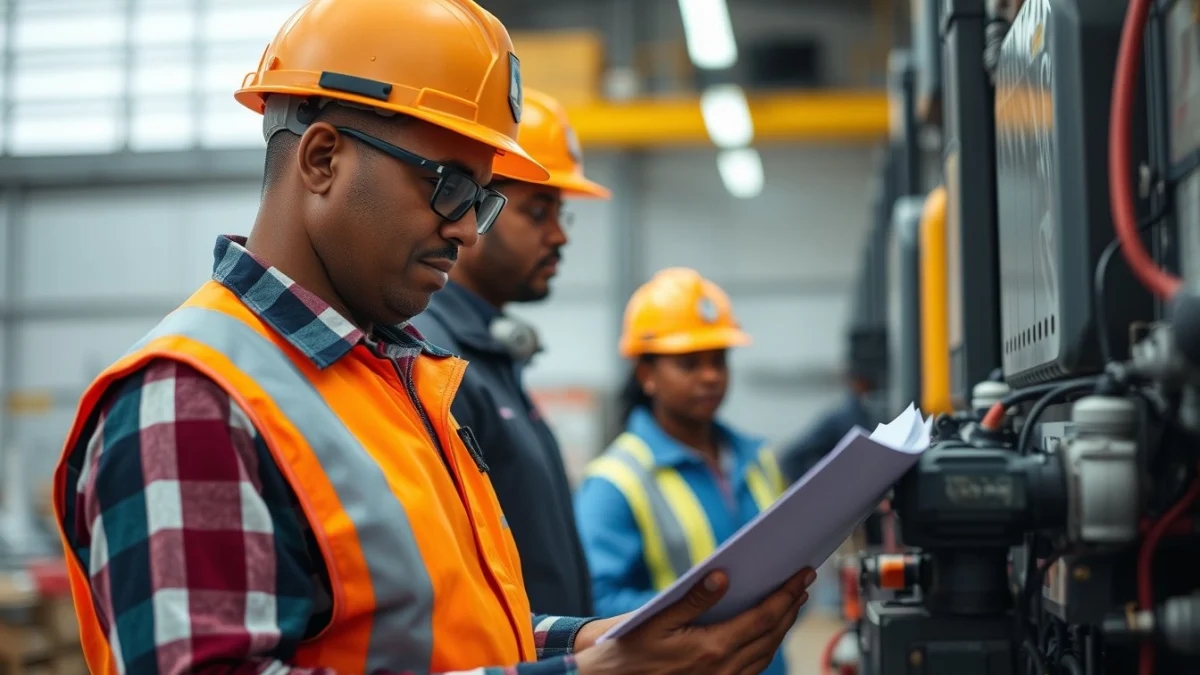
In a workplace or community setting, emergency roles are assigned before any incident happens. This preparation is part of emergency planning and training. When everyone understands their responsibilities, it prevents confusion and delays during a crisis.
Main Roles During Emergency Situations
- Emergency Coordinator: This person leads the emergency response. They make decisions, organise resources, and communicate with emergency services.
- First Aiders: Trained individuals who provide basic medical help to injured or ill people until professionals arrive.
- Fire Wardens: These people ensure safe evacuation from buildings. They check that all areas are clear and help those needing assistance.
- Evacuation Wardens: They guide groups of people to safe exits and assembly points quickly and calmly.
- Communication Officer: Responsible for alerting all occupants about the emergency and giving updates. They also keep emergency services informed.
- Safety Officer: Checks that emergency equipment is working and ensures safe conditions during the response.
Ordinary employees, learners, or community members also have important roles, like following instructions, staying calm, and reporting hazards. Everyone should know emergency signals, evacuation routes, and where to find help.
During emergencies such as fires, floods, or accidents, clear roles help prevent panic and chaos. By practising drills, people remember their tasks and respond without hesitation.
To sum up, roles during emergency situations include leaders, helpers, and communicators. Each person’s action builds a safe and fast response, reducing risks and protecting lives.
Live Scenario • Active Situation
You are the Fire Warden in a busy office building.
There is no single perfect answer. Choose what you would do in this situation.
