
Training and drills for emergency readiness
How Training and Drills Improve Emergency Readiness
Training and drills for emergency readiness are important parts of workplace safety. They prepare workers to respond quickly and correctly during emergencies. This reduces injuries, limits damage, and saves lives.
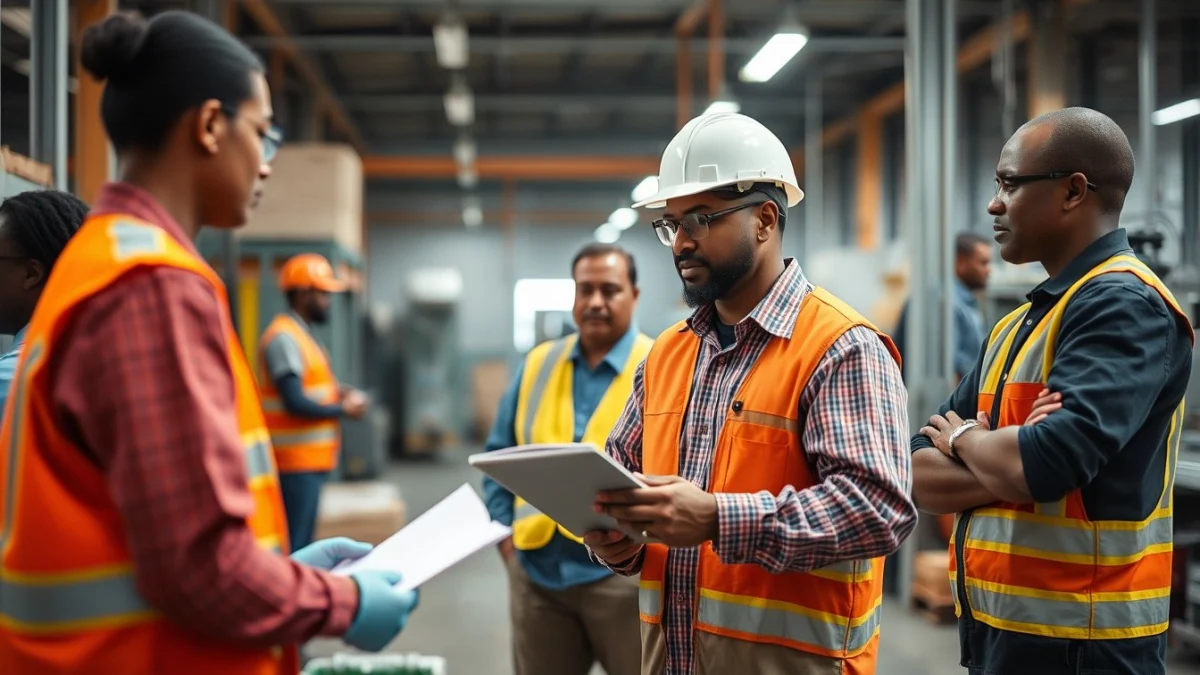
Training means teaching all employees about emergency plans, signals, and procedures. It includes explaining what to do in fires, spills, or other risks. Everyone must know their role in an emergency to work together well.
Drills are practice sessions where workers act out emergency situations. Drills help check if the emergency plan works in real life. They also build confidence and quick thinking. Regular drills keep skills sharp and show if changes are needed.
Key Practical Steps for Effective Training and Drills
- Provide clear, simple information about possible emergencies.
- Teach the location of exits, alarms, and emergency equipment.
- Conduct drills regularly, at least twice a year.
- Include all employees, contractors, and visitors in training.
- Review drill outcomes to fix any problems.
- Offer refresher training to keep knowledge up to date.
Training and drills also help with legal compliance. Many South African laws require workplaces to train employees on emergency preparedness. This protects workers and avoids fines.
Good training uses clear language and visuals. It should match the level of experience of learners. Drills should be realistic but safe, challenging people to respond well under pressure.
Remember, a smooth emergency response depends on everyone knowing what to do before, during, and after an incident. Training and drills build this readiness and keep workplaces safe.
Live Scenario • Active Situation
You are an operations supervisor in a South African manufacturing plant responsible for emergency readiness.
There is no single perfect answer. Choose what you would do in this situation.
