
Types of Inventory Received in Warehouses
Understanding Different Inventory Types in Warehouse Receiving
When working in a warehouse, it’s important to know the types of inventory received in warehouses. Inventory refers to the goods or products that come into the warehouse for storage or further handling. Different types of inventory require different handling and storage methods to keep them in good condition and ready for use.
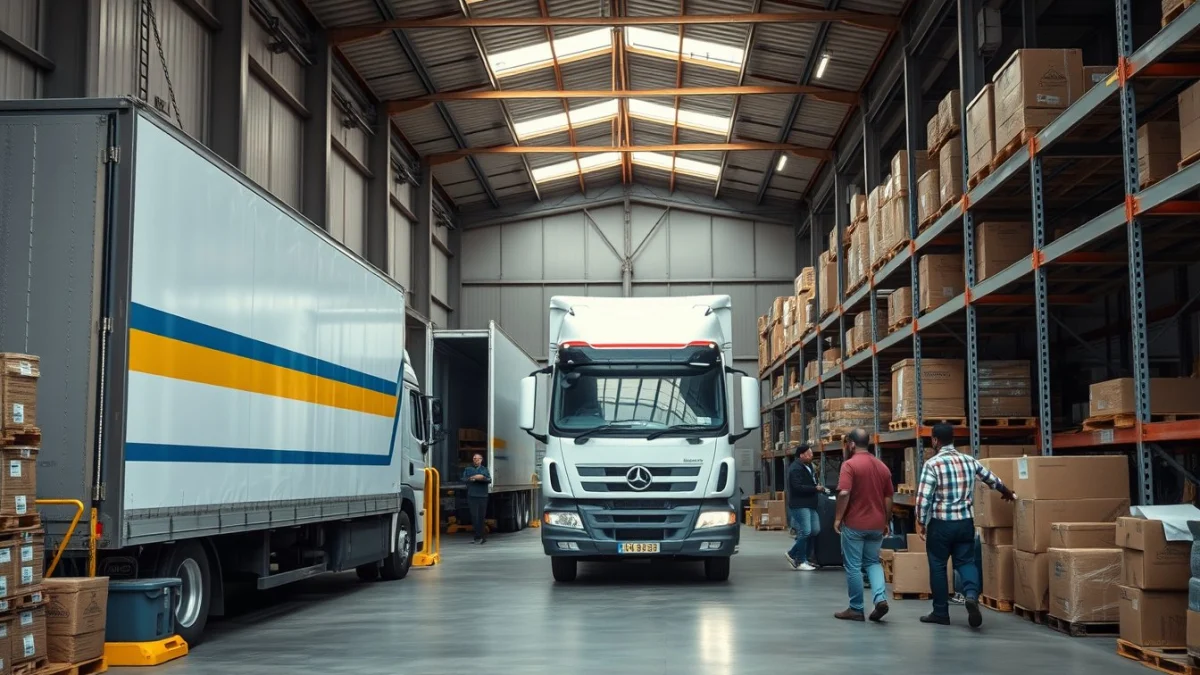
Here are the common types of inventory you will often receive in warehouses:
- Raw Materials: These are the basic materials used in manufacturing. Examples include metals, fabrics, or chemicals. Raw materials usually need special storage to avoid damage or contamination.
- Work-in-Progress (WIP): These are items that are part-way through the production process. They may need extra care since they are not yet finished products and can be fragile or sensitive.
- Finished Goods: These products are completed and ready for sale to customers. Finished goods must be stored properly to maintain quality, especially if they are perishable or fragile.
- Maintenance, Repair, and Operations (MRO) Supplies: These are items used to support the warehouse operations, like tools, cleaning materials, or safety equipment. MRO supplies do not directly become part of the final product but are essential for smooth running.
- Packaging Materials: These include boxes, containers, labels, and any materials used to pack products for shipment or storage.
Each type of inventory has its own receiving process. For example, perishable items, like fresh produce or medicines, often require fast inspection and cold storage. Heavy or bulky goods might need special equipment like forklifts for safe unloading.
Understanding these types helps receiving clerks check for correct quantities, damages, and proper documentation. It also ensures goods are stored correctly, reducing spoilage, loss, or damage.
In summary, knowing the types of inventory received in warehouses is a vital part of every receiving clerk’s work. It helps improve efficiency, accuracy, and safety in warehouse operations.
Live Scenario • Active Situation
You are a receiving clerk in a busy South African warehouse handling multiple inventory types.
There is no single perfect answer. Choose what you would do in this situation.
