
Visual Inspection Procedures
How to Carry Out Visual Inspection Procedures for Incoming Goods
Visual Inspection Procedures are important steps that a receiving clerk uses to check goods when they arrive. By carefully looking at the products, you can quickly find problems such as damage, wrong items, or poor quality. This helps to make sure that only good products go into the store or production.
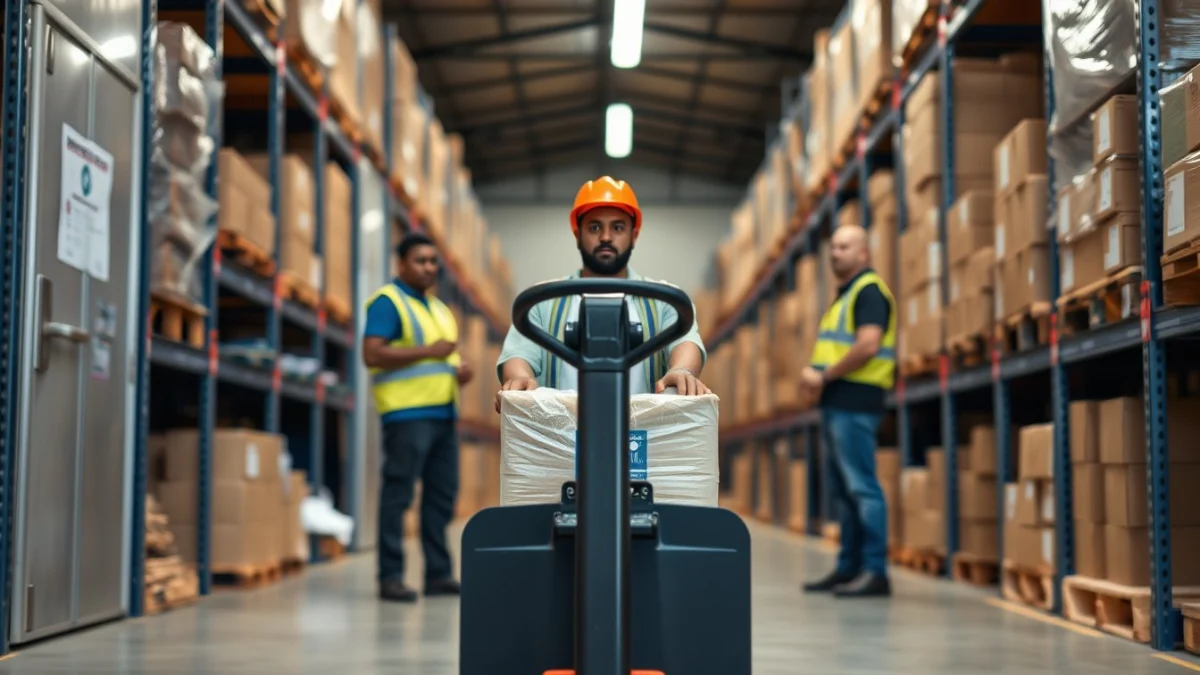
When you inspect goods visually, you use your eyes and sometimes a simple tool like a torch or magnifying glass. The goal is to spot defects, mistakes, or anything that does not match the order. This process is fast, saves money, and helps avoid bigger problems later.
Steps for Effective Visual Inspection Procedures
- Check the outer packaging – Look for tears, dents, wet spots or other damage that may affect the inside goods.
- Match goods to delivery documents – Compare the products with the purchase order and delivery note to make sure you received the right items and correct amounts.
- Inspect labels and markings – Verify product names, batch numbers, expiry dates, and other labels to confirm the goods are correct and safe to use.
- Look for physical defects – Check for cracks, chips, scratches, stains or missing parts on the items you received.
- Examine product condition – For example, check if frozen food is still frozen or if electronics are intact without visible damage.
- Report issues immediately – Tell your supervisor or supplier about any damaged or wrong goods as soon as possible.
- Record your findings – Make notes or fill out inspection forms to keep a record of the visual inspection results.
Remember, Visual Inspection Procedures are just the first check. Some goods may need further testing or measurements, but a good visual check can catch many problems early. By following these simple steps, you help your business keep quality products and reduce losses.
Always take your time with visual inspections. Rushing can lead to errors and missed defects. Use good lighting and clean hands or gloves to handle items carefully. This will improve your accuracy and protect the goods during inspection.
In summary, Visual Inspection Procedures help receiving clerks confirm that the right goods arrive in good condition. This protects the company and customers by ensuring quality and correctness before products move further into the supply chain.
Live Scenario • Active Situation
You are a receiving clerk in a busy warehouse inspecting incoming goods for a retail store.
There is no single perfect answer. Choose what you would do in this situation.
