
Data Entry and Digital Record Keeping
How Data Entry and Digital Record Keeping Improve Receiving Operations
Data entry and digital record keeping are essential skills in receiving operations. They help keep track of goods received, making the process fast, accurate, and secure. In a receiving clerk’s job, these tasks ensure that all information about deliveries is saved correctly and can be easily accessed when needed.
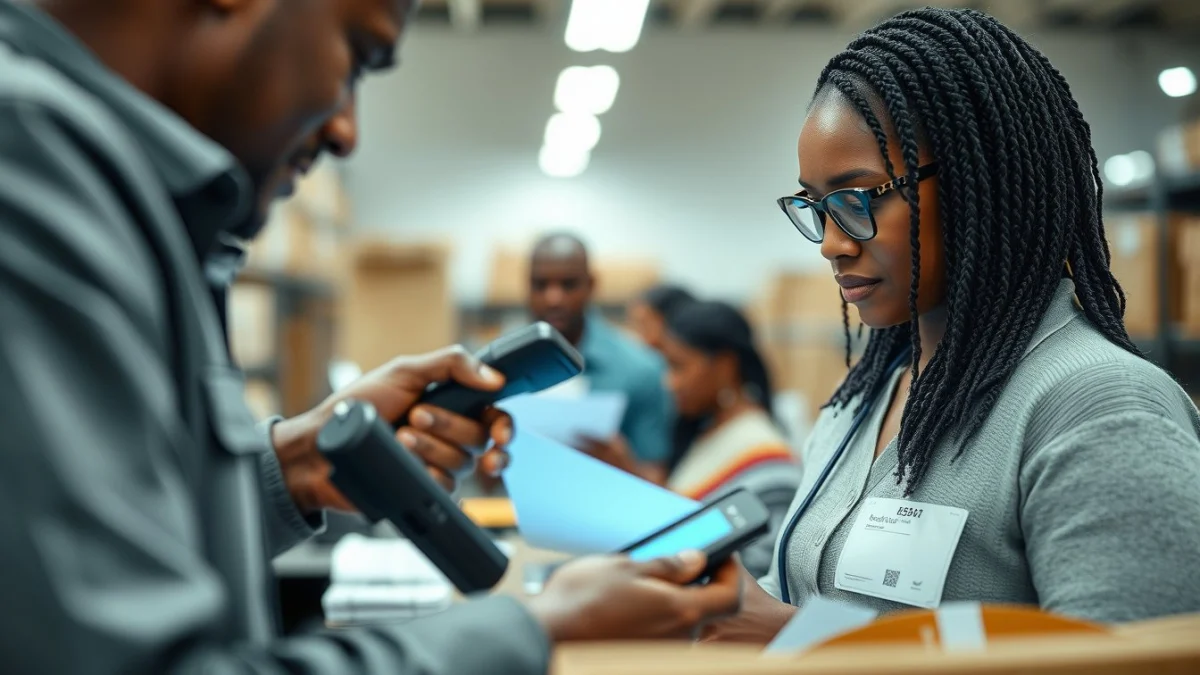
Data entry means typing or scanning information about incoming stock into a computer system. This might include details like the supplier’s name, delivery date, quantity, and product description. Doing this promptly helps avoid mistakes and ensures the stock matches what was ordered.
Benefits of Digital Record Keeping in Receiving
- Easy Access: Digital records are stored on computers or cloud systems, so you can find them quickly without searching through papers.
- Better Organisation: Electronic files keep data tidy and sorted by date, supplier, or product, helping you manage stock well.
- Improved Accuracy: Using barcode scanners and digital forms reduces human error while entering data.
- Time-Saving: Automated systems complete tasks faster than manual record keeping, freeing up time for other duties.
- Secure Storage: Digital records can be backed up, preventing loss of important information due to damage or theft.
To work effectively with data entry and digital record keeping, it is important to be careful and pay attention to details. Double-checking the information you enter helps avoid errors that can cause problems later.
- Start by gathering all delivery documents such as invoices or delivery notes.
- Enter data immediately using the company’s receiving system or software.
- Use barcode scanners where possible to speed up data capture and increase accuracy.
- Save or back up the records properly in the digital filing system.
- Report any discrepancies between received goods and orders to your supervisor.
Learning to use technology in receiving operations not only makes the job easier but also improves accuracy and efficiency. Digital record keeping is a valuable skill that helps receiving clerks manage stock effectively and supports the whole supply chain.
Live Scenario • Active Situation
You are a receiving clerk responsible for data entry and digital record keeping at a busy warehouse receiving dock.
There is no single perfect answer. Choose what you would do in this situation.
