
Supporting Diverse Faiths and Beliefs
How to Respect and Support Different Faiths in Palliative Care
Supporting diverse faiths and beliefs is very important in palliative care. People come from many religions and cultures, each with their own spiritual needs. Caregivers must understand these differences to provide the best support for patients and their families.
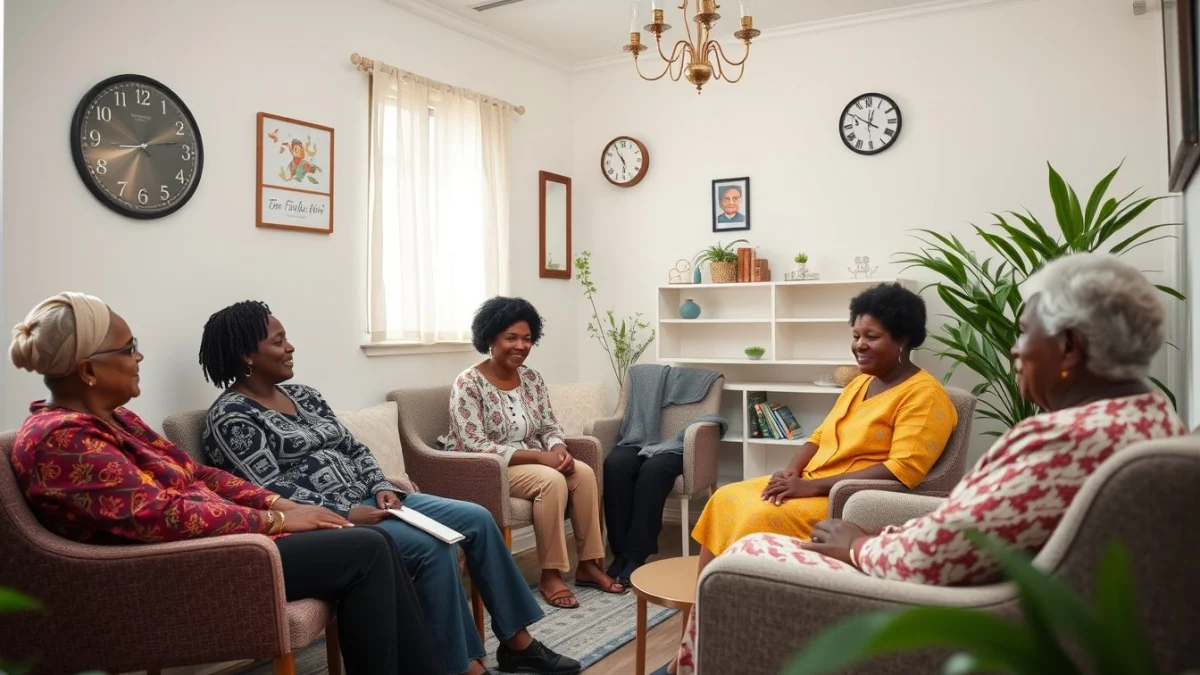
In palliative care, spirituality often helps patients find comfort, hope, and meaning during difficult times. Respecting how each person expresses their faith is part of good care. This support improves emotional wellbeing and can ease the pain and fear around serious illness.
To support different faiths well, caregivers should follow these key steps:
Respect and Listen
- Ask patients about their beliefs and spiritual needs in a kind and open way.
- Listen carefully without judging or making assumptions.
- Use clear, simple language; avoid technical or religious terms you do not understand.
Understanding what matters most to the patient helps build trust. It also helps the caregiver to know how to support the patient’s spiritual practices safely.
Learn About Common Practices
Though it is impossible to know all faiths deeply, knowing the basics of major religions in South Africa is useful. These include Christianity, Islam, Hinduism, Traditional African Beliefs, and others.
For example, some patients may want prayer, spiritual readings, or visits from religious leaders. Others may need quiet time, specific rituals, or special foods. Knowing these needs ahead helps to create a respectful and peaceful environment.
Include Family and Community
Faith often involves the family and community. When possible, involve them in the care process. This inclusion shows respect for the patient’s culture and beliefs, and provides a network of support during care.
Family members can also share important information about religious practices and guide caregivers to avoid mistakes.
Be Flexible and Creative
Each patient will have unique needs. You may need to adjust routines or find new ways to support spiritual care. For example, if a patient cannot leave the bed, you might help place religious objects nearby or help with prayer while sitting.
Sometimes spiritual support happens through music, art, or storytelling. Be open to these alternatives if the patient prefers.
Maintain Privacy and Dignity
Spiritual and religious practices are personal. Always respect the patient’s privacy. Do not force participation or share their beliefs with others without permission. Ensuring dignity is a key part of spiritual care.
Ask for Help When Needed
If you are unsure about a patient’s faith or how to support it, ask a chaplain, spiritual care worker, or someone from the patient’s religious community. They can provide guidance and help meet the patient’s needs respectfully.
Remember, caregivers do not need to be experts in every faith. The most important thing is to show respect, kindness, and willingness to support each person’s beliefs.
In summary, supporting diverse faiths and beliefs in palliative care means listening well, learning basics, involving family, being flexible, respecting privacy, and asking for help. Doing this creates a caring environment that honours patients’ spirituality and improves their quality of life at the end.
Live Scenario • Active Situation
You are a palliative care nurse supporting patients with diverse faiths and beliefs in a hospital ward.
There is no single perfect answer. Choose what you would do in this situation.
