
Community-Based Palliative Care Models
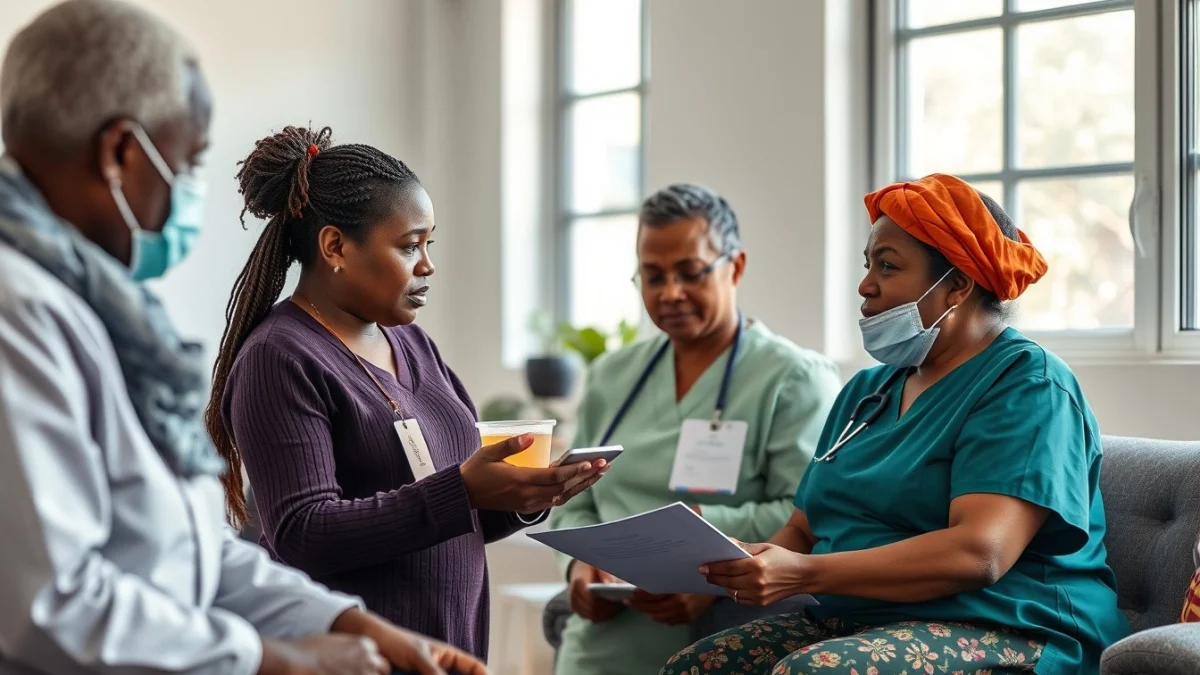
How Community-Based Palliative Care Models Support Patients in South Africa
Community-Based Palliative Care Models focus on giving care to patients in their own homes and communities. These models are very important in South Africa, where many people live far from hospitals and clinics. Instead of relying only on hospital care, these models bring help to where patients and their families live. In these models, care is often provided by trained healthcare workers, volunteers, and family members, not just doctors and nurses. This helps more people get the care they need, especially in rural and poor areas. The team works together to manage pain, provide emotional support, and give practical help with daily tasks. Community-based care also respects the cultural and social needs of patients. This means that care is given in ways that match local traditions and languages. Community workers often know the families and can support them better. Key features of Community-Based Palliative Care Models include:
- Home visits by nurses, caregivers, or volunteers
- Training family members to care for their loved ones
- Providing medicines and pain relief at home
- Counselling for patients and families
- Support for basic needs like food and hygiene
This approach helps reduce unnecessary hospital visits and allows patients to stay in a familiar environment. It also makes care more affordable and accessible. In South Africa, community organizations, local clinics, and NGOs often work together to offer this kind of palliative care. Patients with serious illnesses like cancer, HIV/AIDS, or chronic diseases can get the support they need without having to travel long distances. Community-Based Palliative Care Models strengthen the whole community. They train local people in caregiving skills and create networks of support. This promotes health, dignity, and comfort for patients during their final stage of life. Overall, these models make palliative care more reachable and fit well with South Africa’s social and healthcare challenges. They improve quality of life for patients and their families by being close, compassionate, and practical.
Live Scenario • Active Situation
You are a community-based palliative care nurse visiting a patient in a rural South African village.
There is no single perfect answer. Choose what you would do in this situation.
